Welcome to Menlo Park
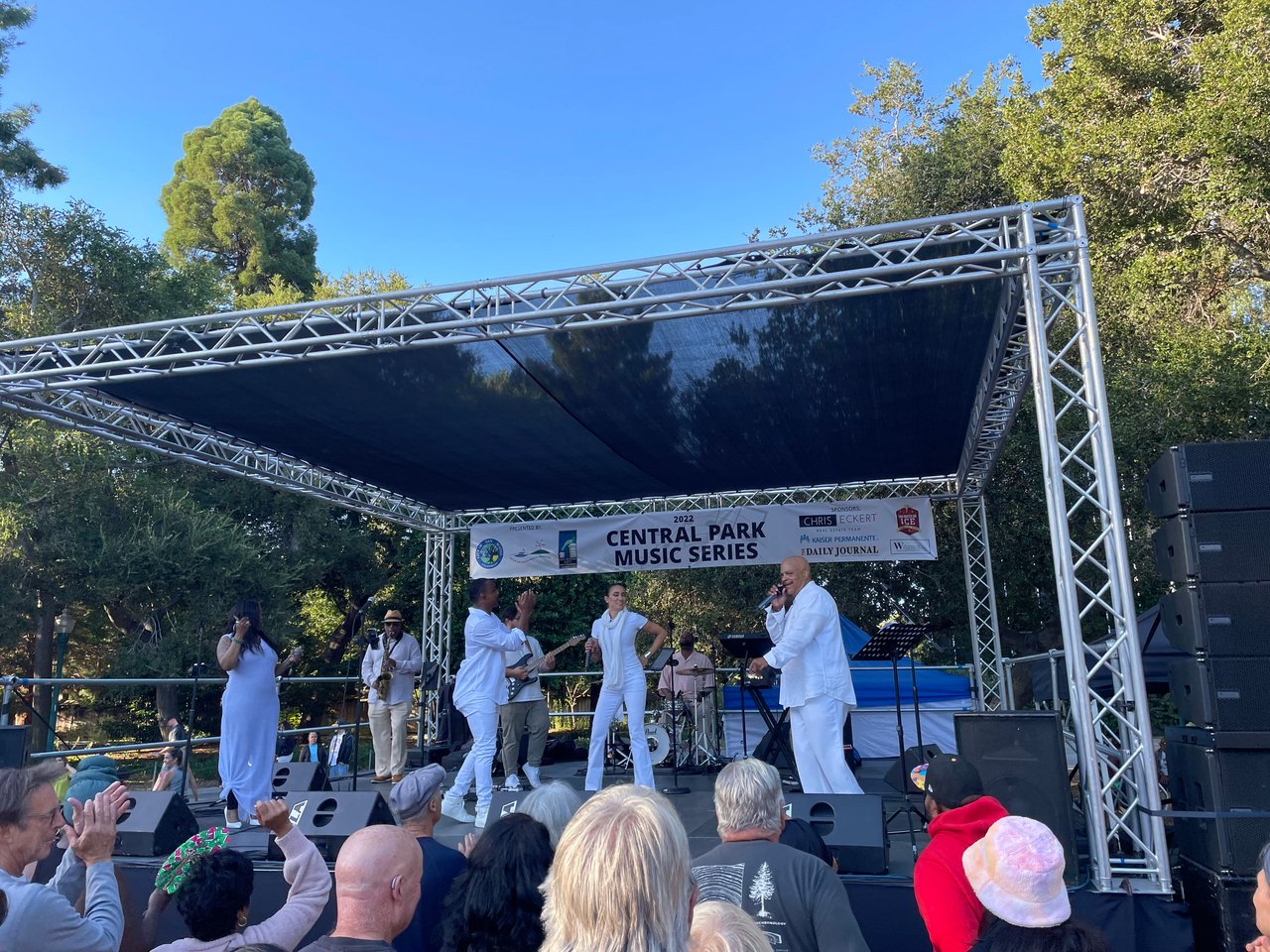
Glorious weather and ample small-town charm epitomize this San Francisco Bay Area hotspot
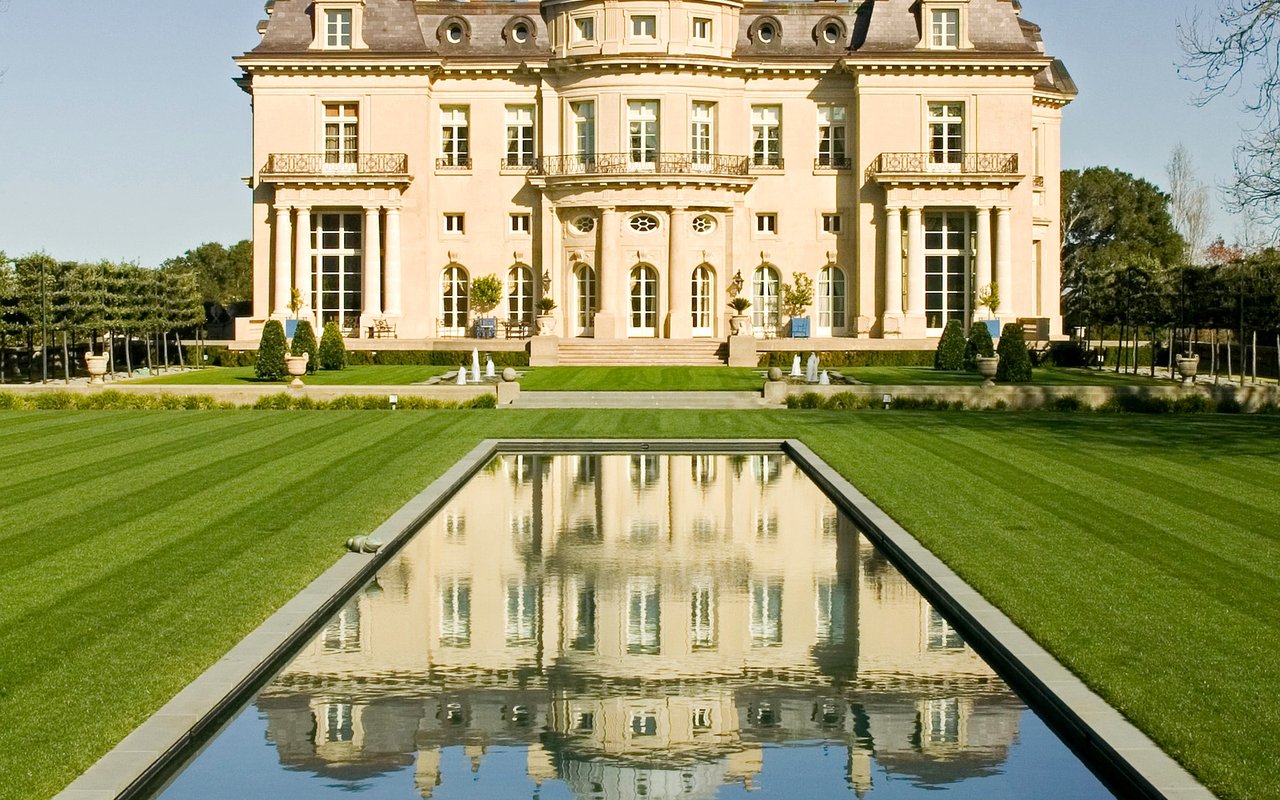
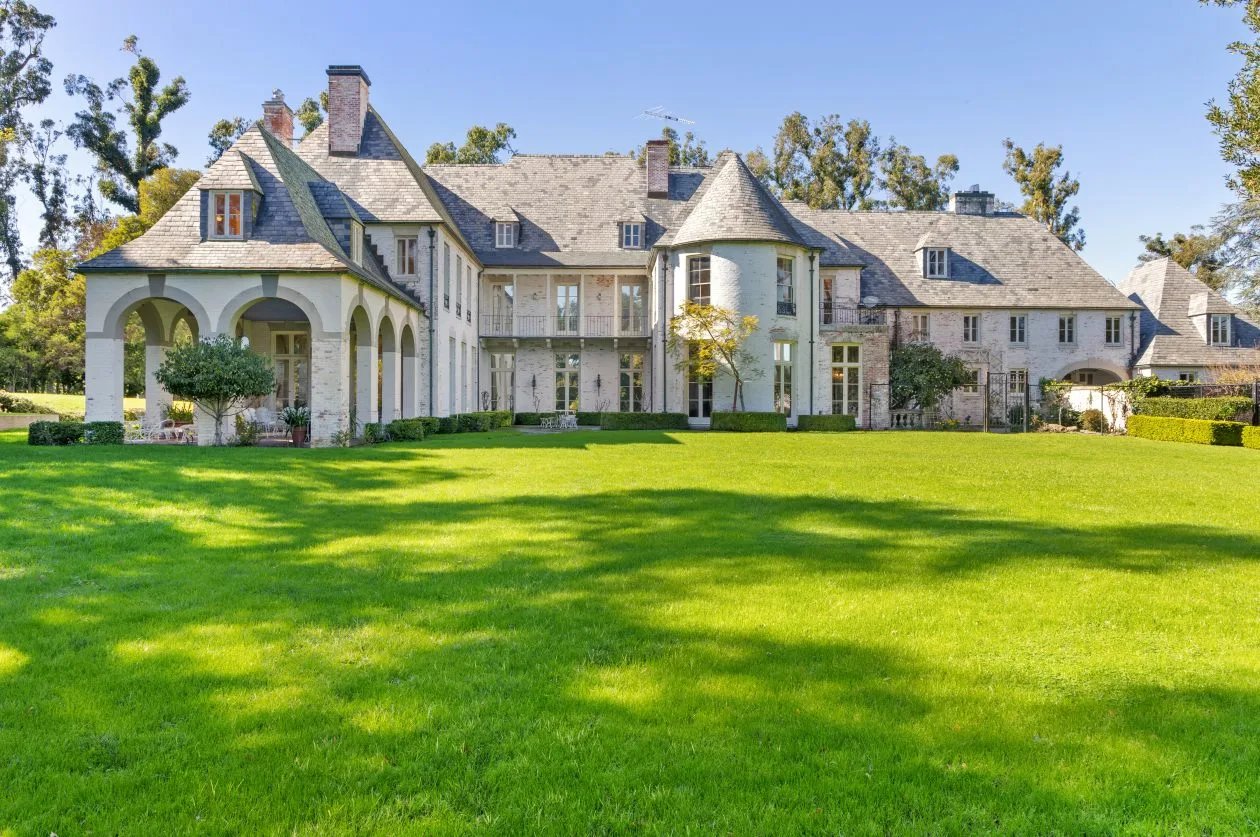
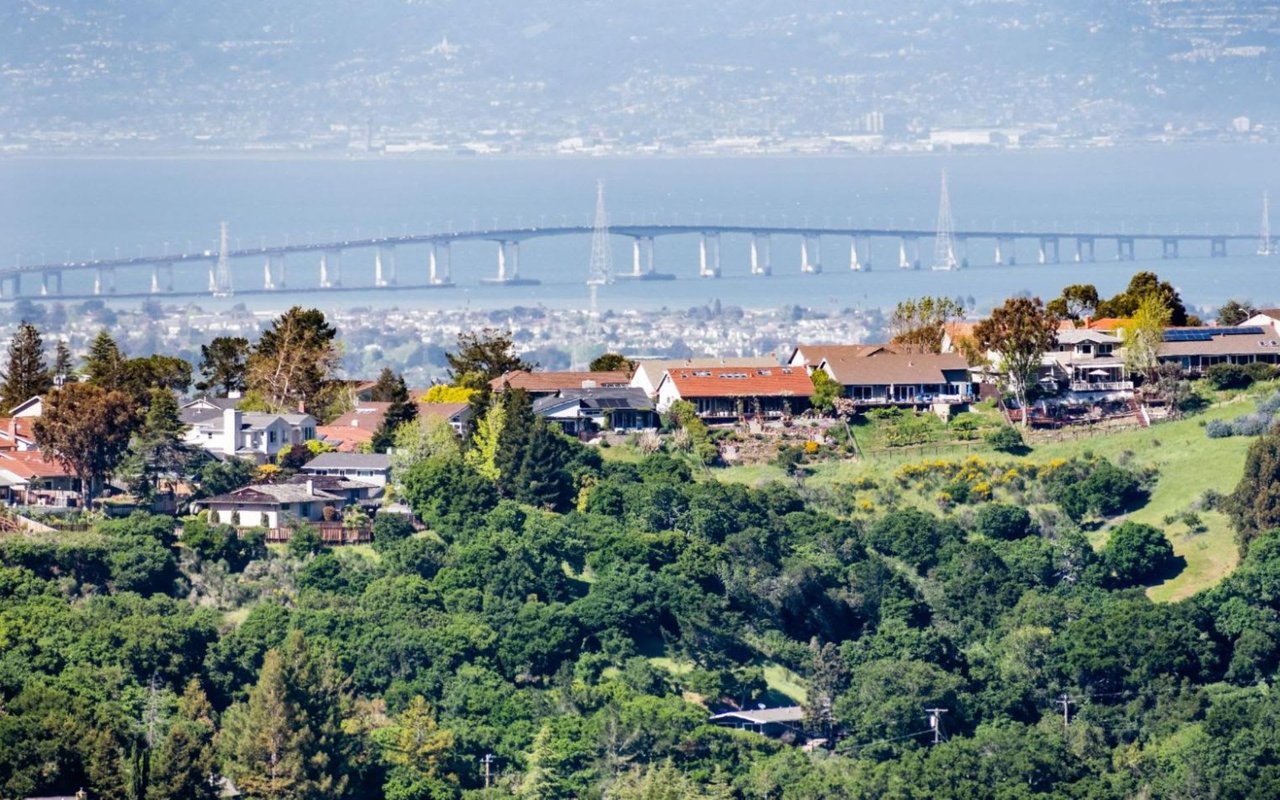
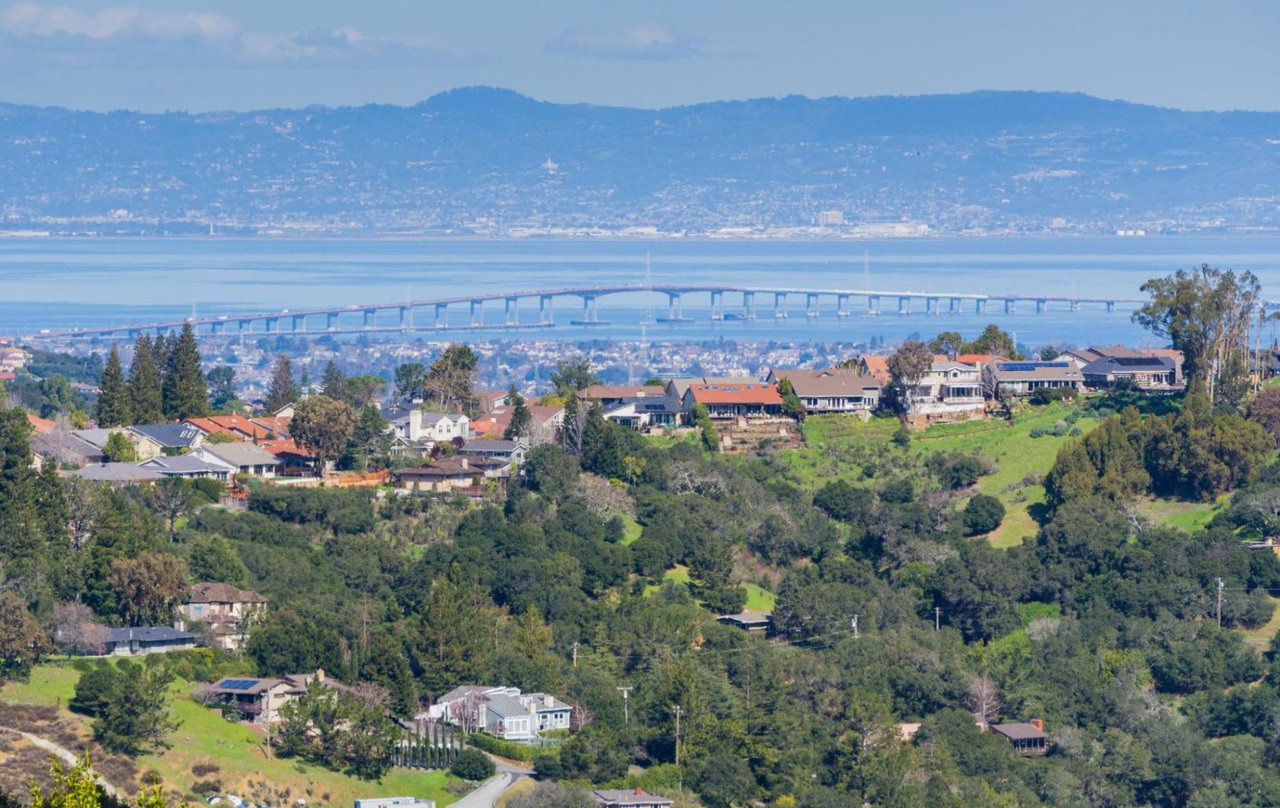
Menlo Park is what happens when old-money Peninsula gentility meets the raw financial gravity of Silicon Valley. For decades it read as a quiet, tree-canopied suburb of stately homes and good schools. That description still holds on its shaded residential streets, but it undersells what the town has become: a place where venture capital is written on Sand Hill Road, where Meta's headquarters sits at the water's edge, and where a mid-century ranch home can trade for the price of a small company.
The people it attracts reflect that duality. You'll find multi-generational families who have owned the same Allied Arts bungalow for forty years living a few blocks from tech executives who tore down a 1960s rancher to build glass-and-steel. It draws buyers who want a genuine neighborhood—sidewalks, a downtown you can walk to, elementary schools that consistently rank among California's best—but who also need to be close to the campuses and capital that define the region. If you want the suburban dream without giving up proximity to power, this is the address people compete for.
Menlo Park Housing Market Overview
This is a seller's market in the fullest sense of the term: fast, competitive, and unforgiving of hesitation. Homes typically go into contract within 12 to 16 days, and for the most desirable properties, offers can land in under a week.
Competition is the default condition, not the exception. Somewhere between half and two-thirds of homes sell above asking price, and the most sought-after listings routinely close 6% to 17% over list. To be taken seriously, buyers generally need a fully underwritten pre-approval or liquid cash—a standard pre-qualification letter carries little weight here.
On price, entry is steep. The median sale price across all property types sits roughly between $2.8M and $3.3M, while standalone single-family homes regularly clear $3.6M to $3.8M. There is a more accessible tier—condos and townhomes near downtown and Sharon Heights in the $1.2M to $2.1M range—and a luxury ceiling, with elite pockets like West Menlo commanding $5M to $6M and beyond. Inventory remains persistently tight at around 1.1 months of supply, which is the structural reason prices keep climbing.
Menlo Park Real Estate Trends
The market is in the middle of a generational shift, and a few forces are driving it.
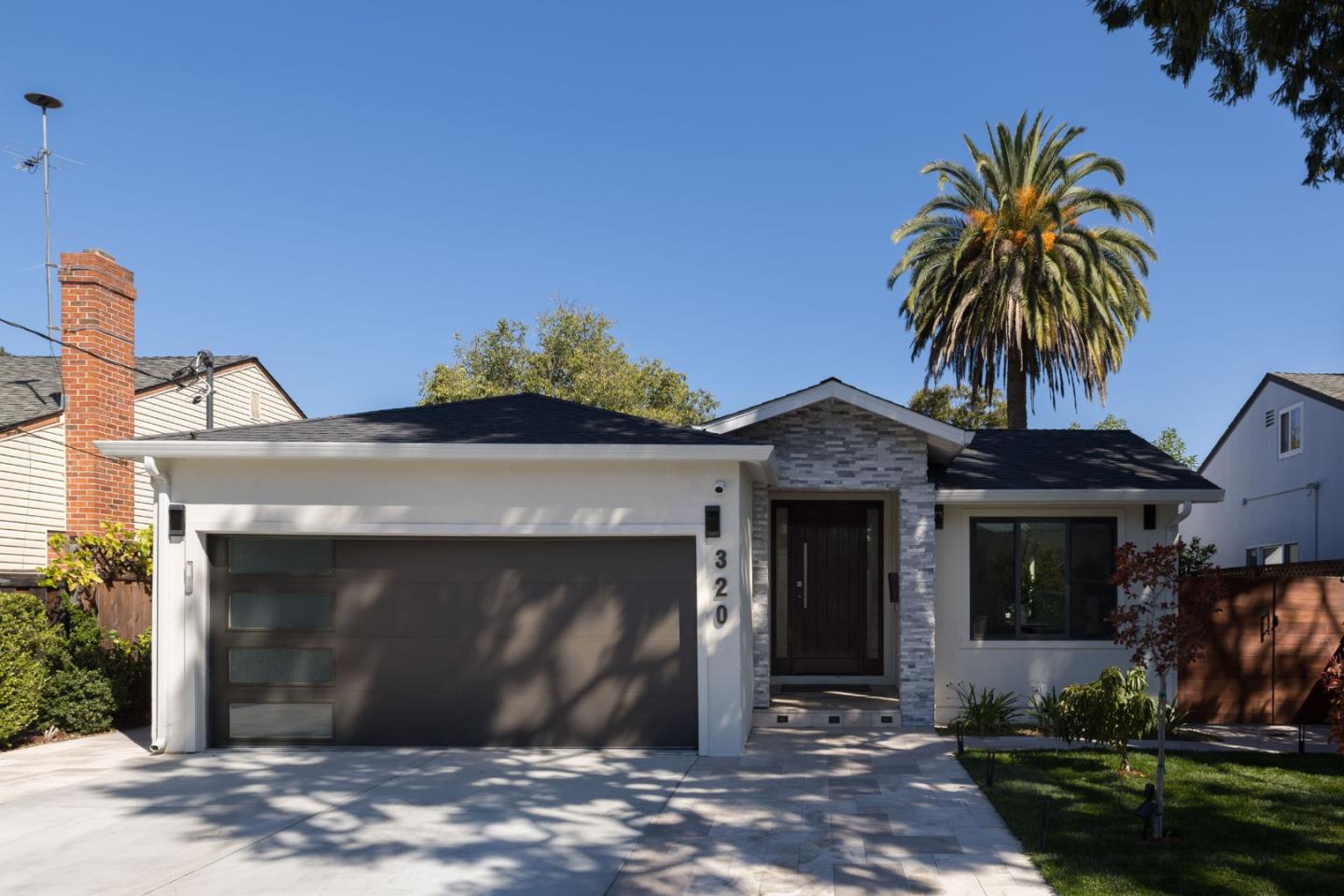
The most visible is the teardown-and-rebuild boom. Modest post-war ranch homes are increasingly valued as land rather than living space, and affluent buyers are paying premiums for large, well-shaped lots so they can build modern luxury homes from the ground up. Turnkey, fully modernized properties move fastest of all—often pending in under ten days—because the buyers competing hardest here are time-strapped and willing to pay to skip the renovation.
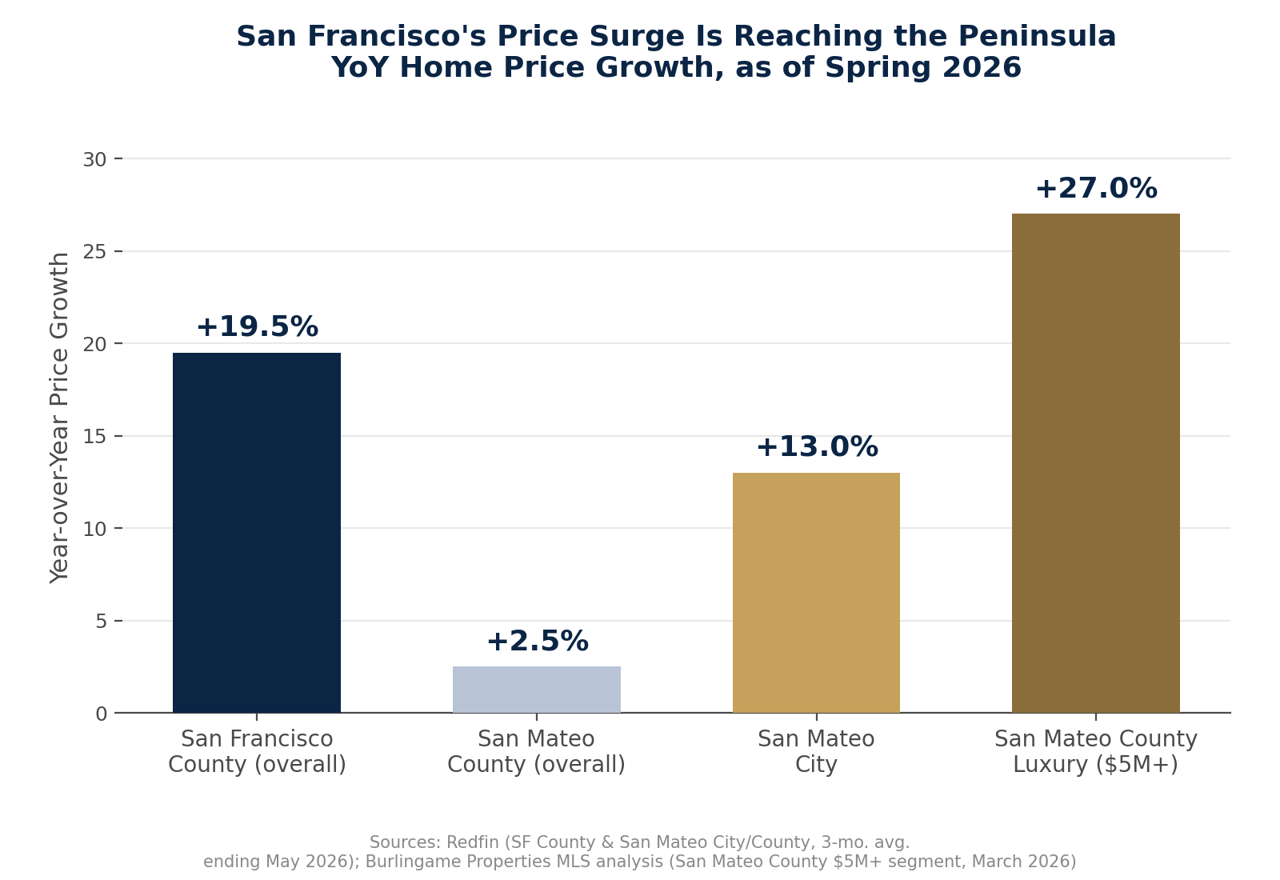
Prices have surged accordingly. Depending on the micro-market, median sale prices are up anywhere from 5.5% to double digits year-over-year, and transaction volume has climbed even as inventory stays scarce. Two neighborhood-level trends are worth naming: The Willows has become a "Goldilocks" zone prized for its balance of price and walkability, while Belle Haven—right by the Meta campus—is emerging as an entry point for younger tech professionals.
Underneath it all are two quieter catalysts. A modest easing in 30-year fixed mortgage rates has coaxed sidelined buyers back in, and a wave of owners who bought during the 2020–2021 boom are now hitting their capital-gains primary-residence windows, creating a small but real churn of entry-level condos and townhomes that first-time buyers and investors are quick to absorb.
Buying a Home in Menlo Park
Buying here demands a combination of capital, speed, and emotional discipline. Casual browsing rarely ends in an accepted offer.
Expect bidding wars as the norm. A well-priced, turnkey single-family home commonly draws three to five competitive offers in its first week, and more than 70% of homes sell over list. Standing out means arriving with a fully underwritten pre-approval—your financials already vetted by an underwriter, not just a loan officer—or proof of liquid funds. All-cash buyers hold real leverage and can close escrow in as little as 7 to 14 days.
The most distinctive feature of the local process is how routinely buyers waive contingencies to win:
- Inspection: Sellers almost always supply a full pre-market inspection packet (home, pest, roof). Because the condition is disclosed upfront, competitive buyers are expected to waive the inspection contingency entirely—after reviewing those reports carefully with their agent beforehand.
- Appraisal: Since bidding wars regularly push final prices well above list, homes can outrun their comps. Buyers frequently waive the appraisal contingency, which means demonstrating they have cash on hand to cover an "appraisal gap" if the bank values the home below the contract price.
- Financing: Some buyers use shortened loan contingencies of 7 to 10 days, but the strongest offers waive this too, leaning on their underwritten status.
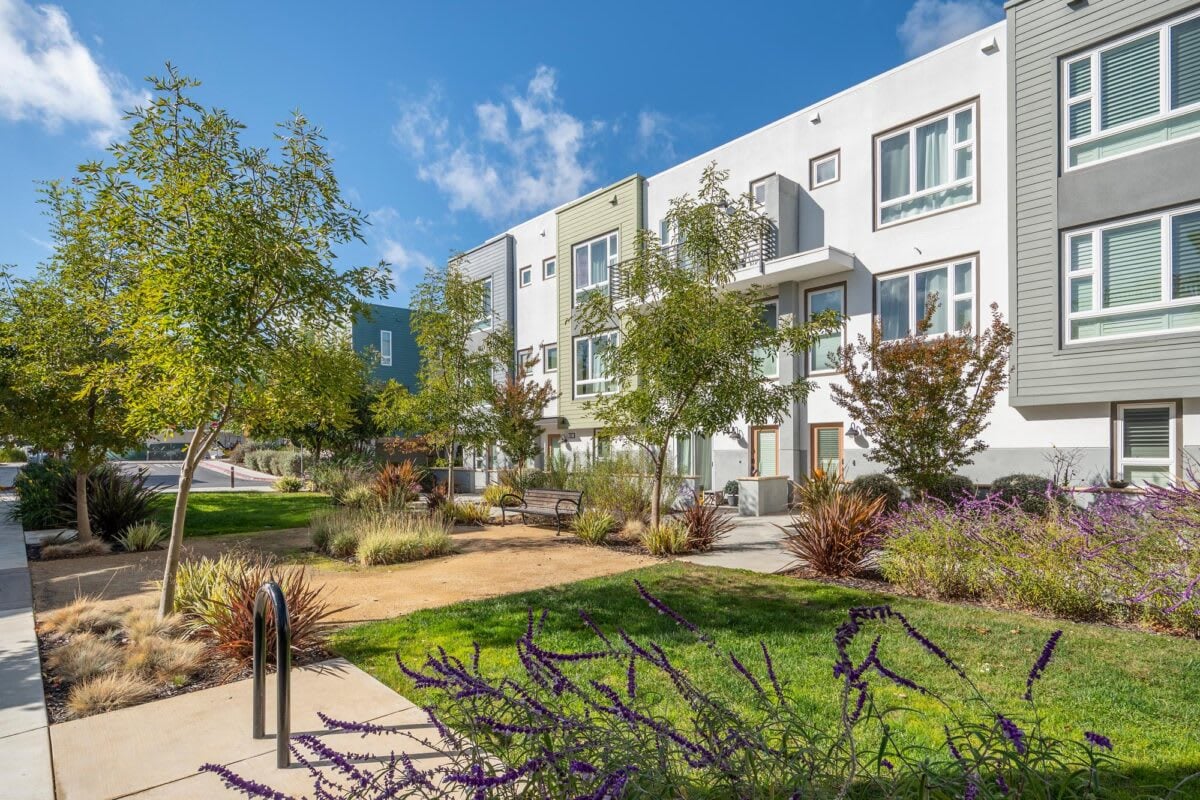
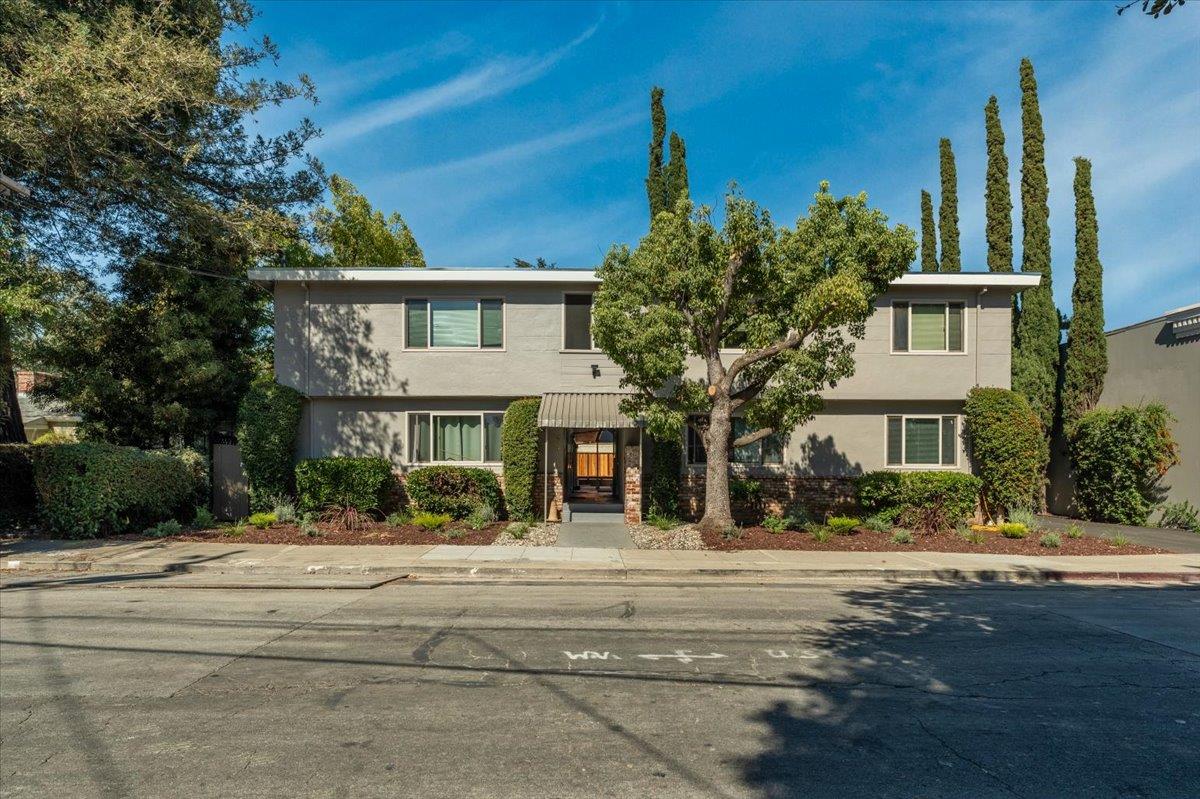
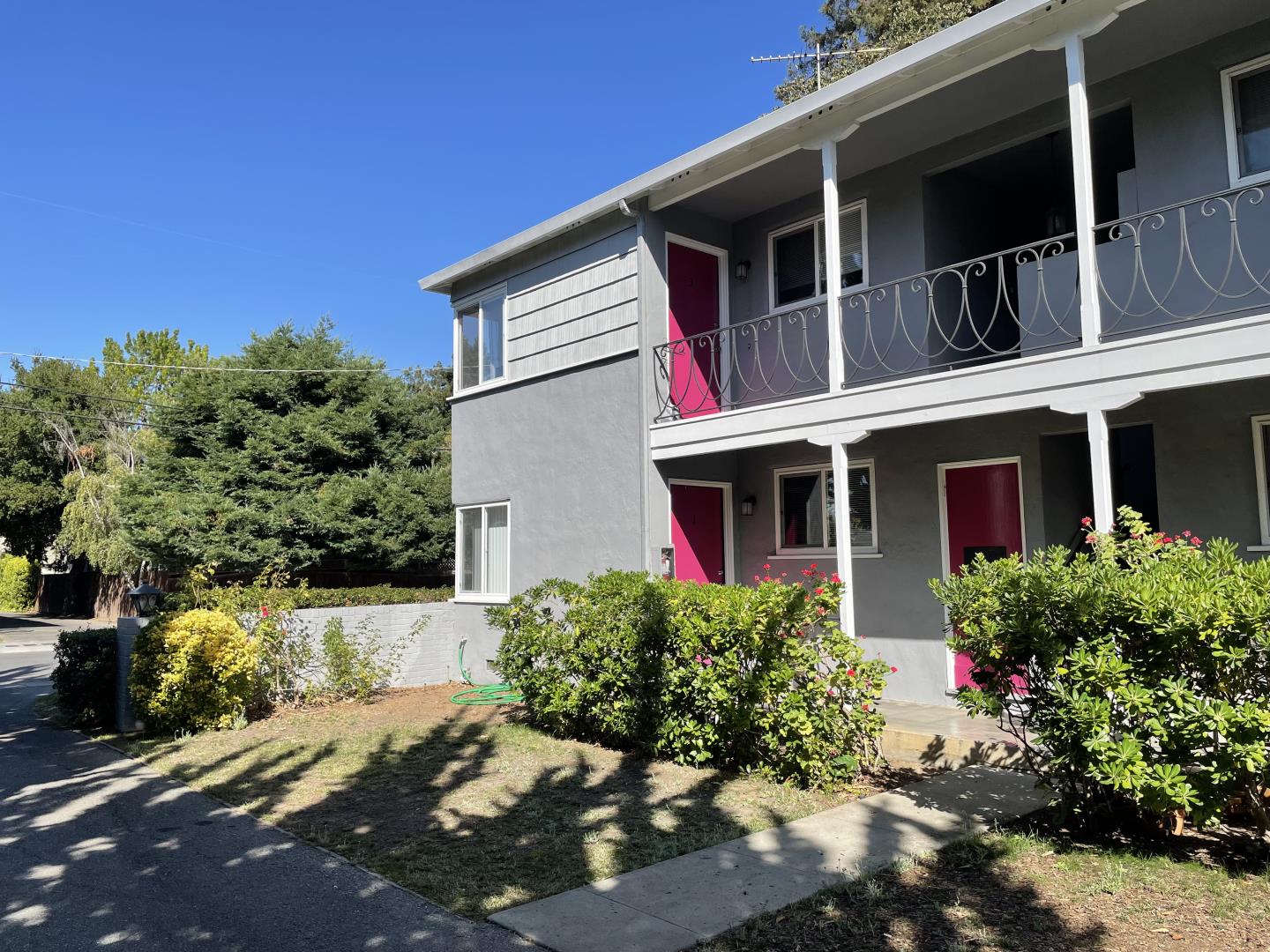
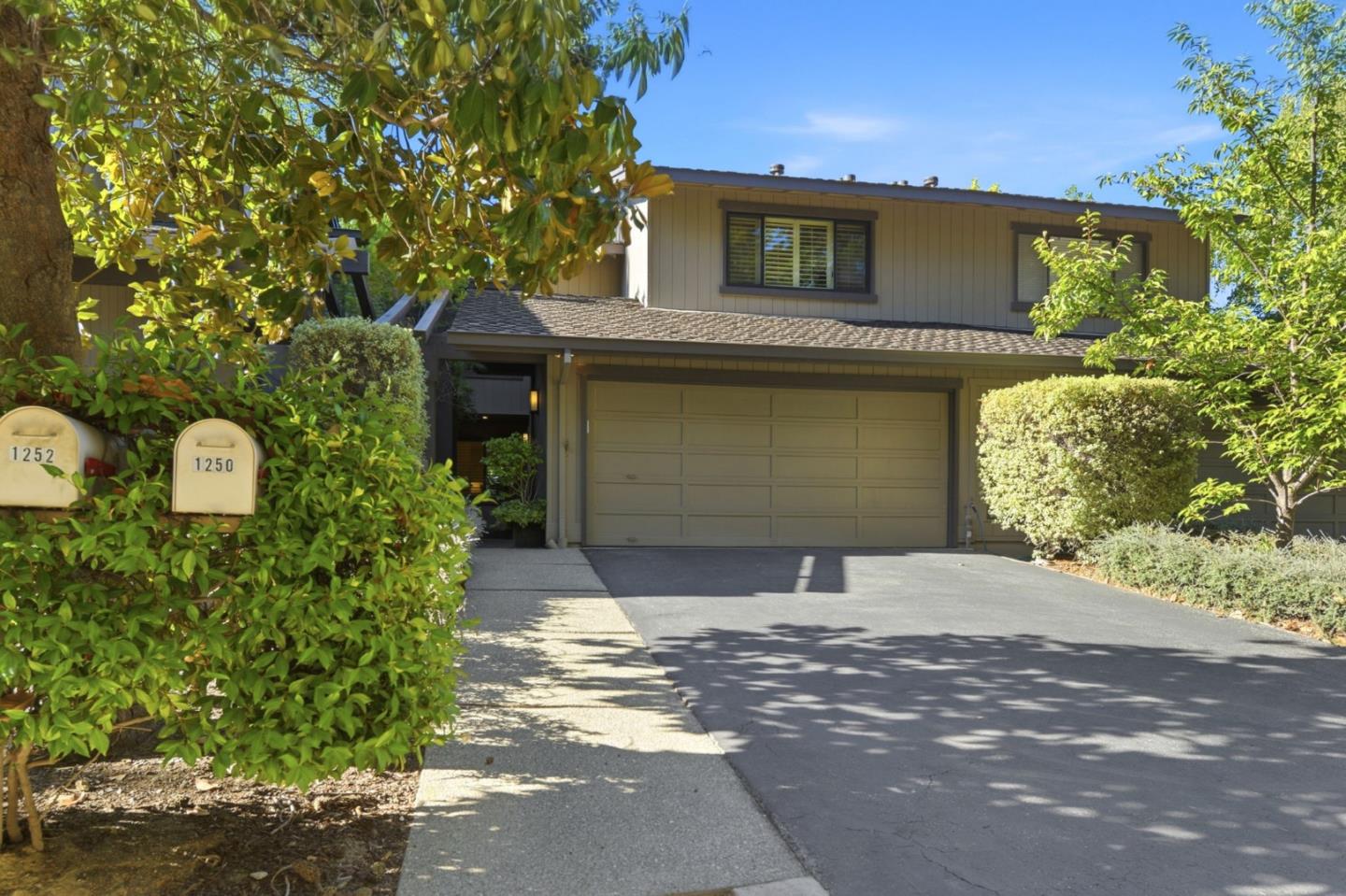
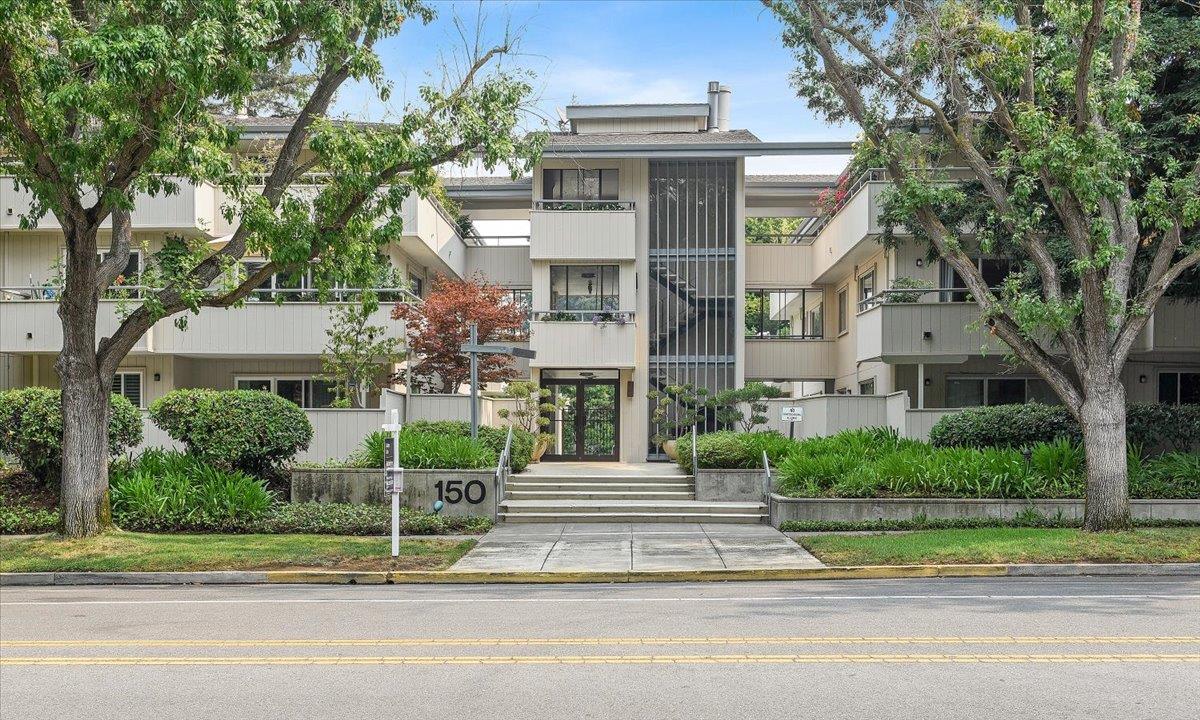
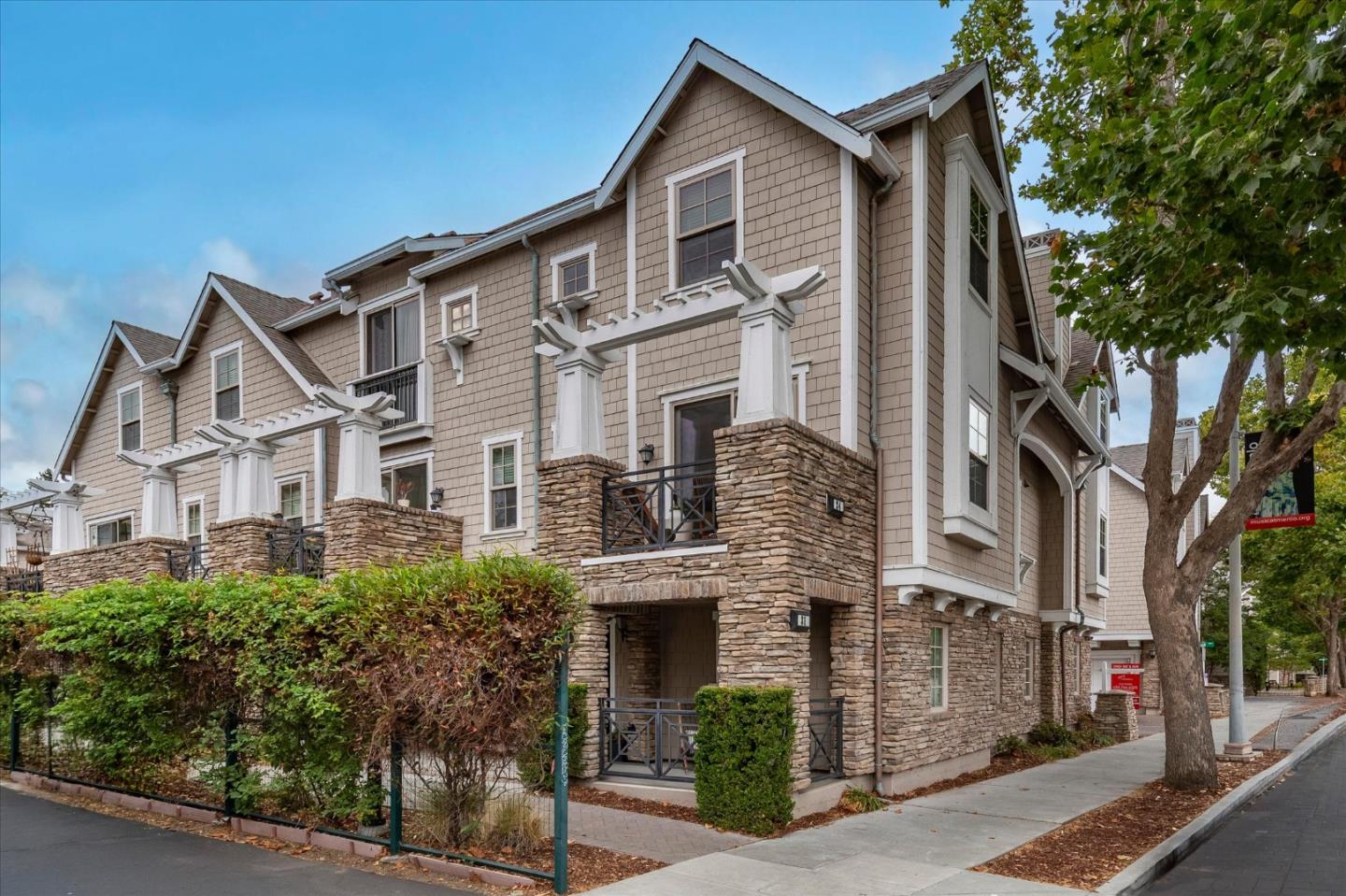
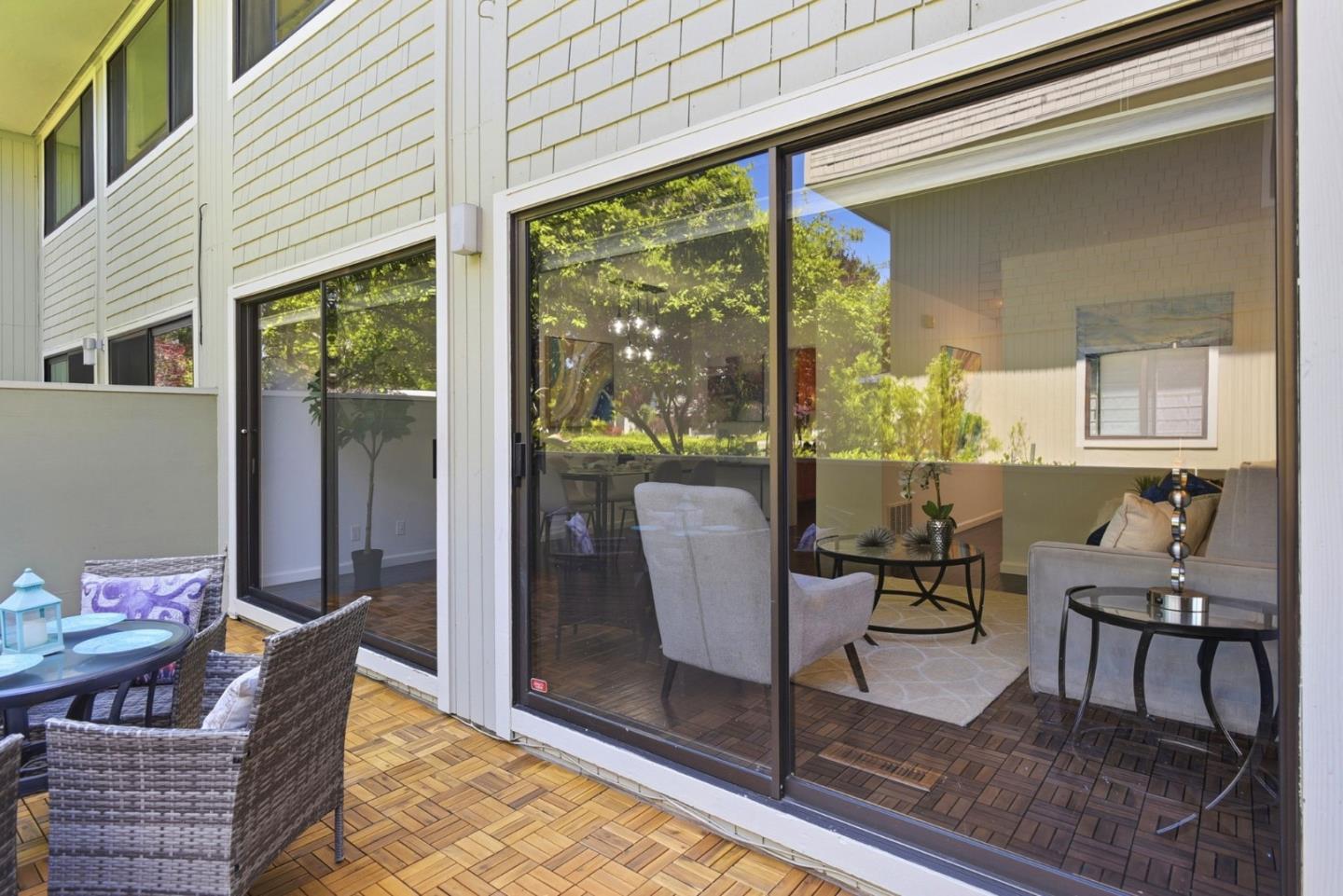
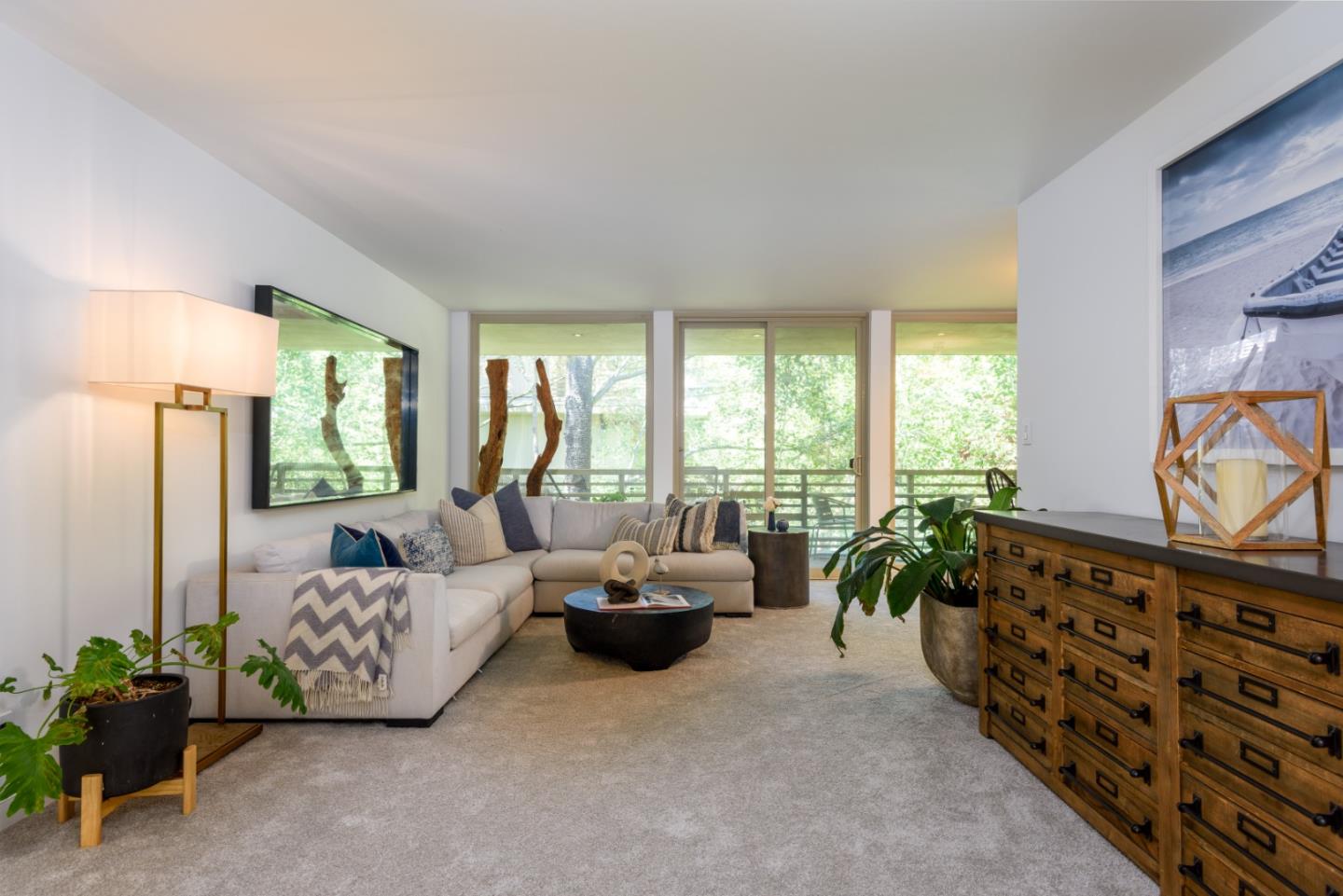
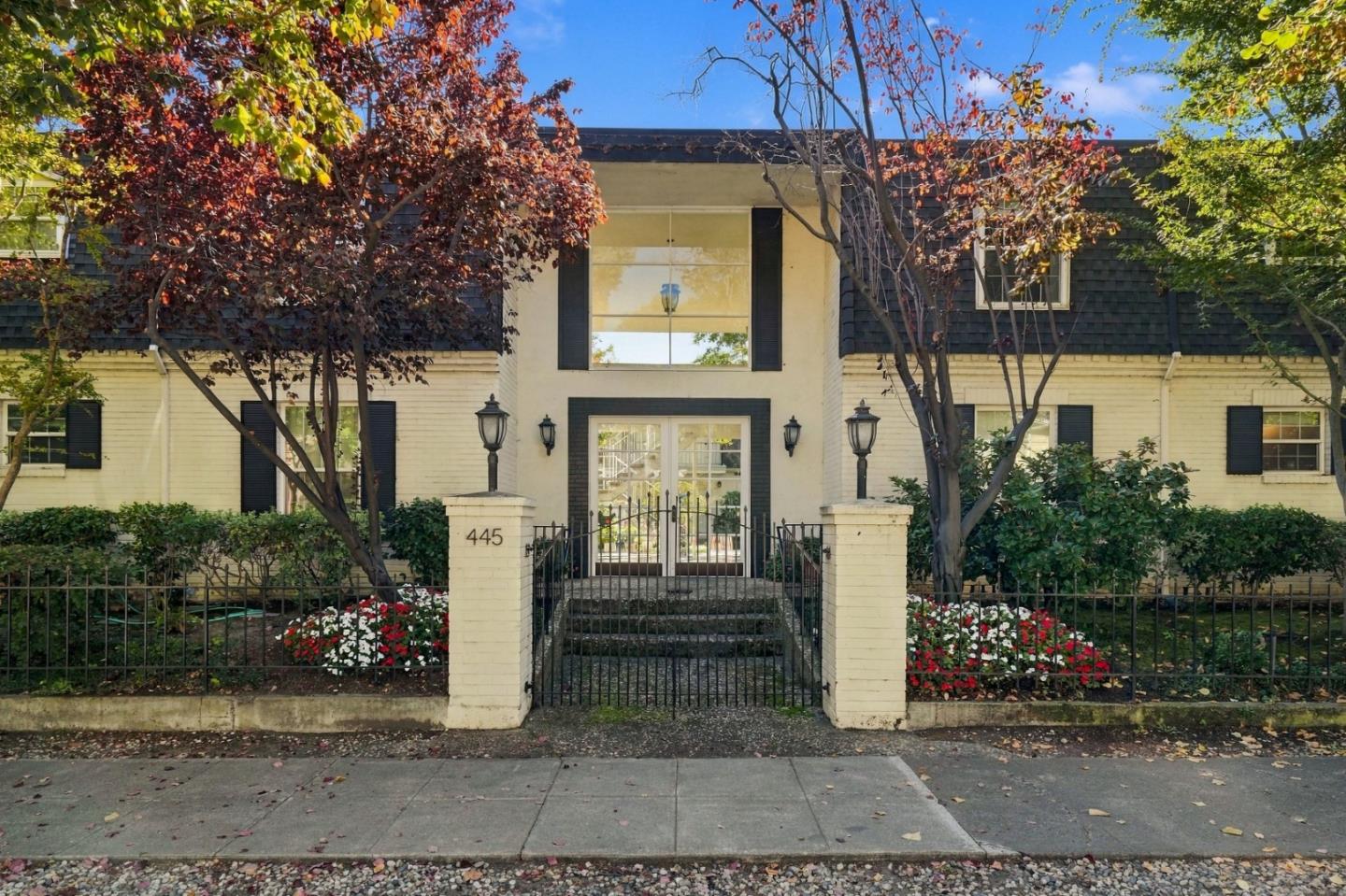
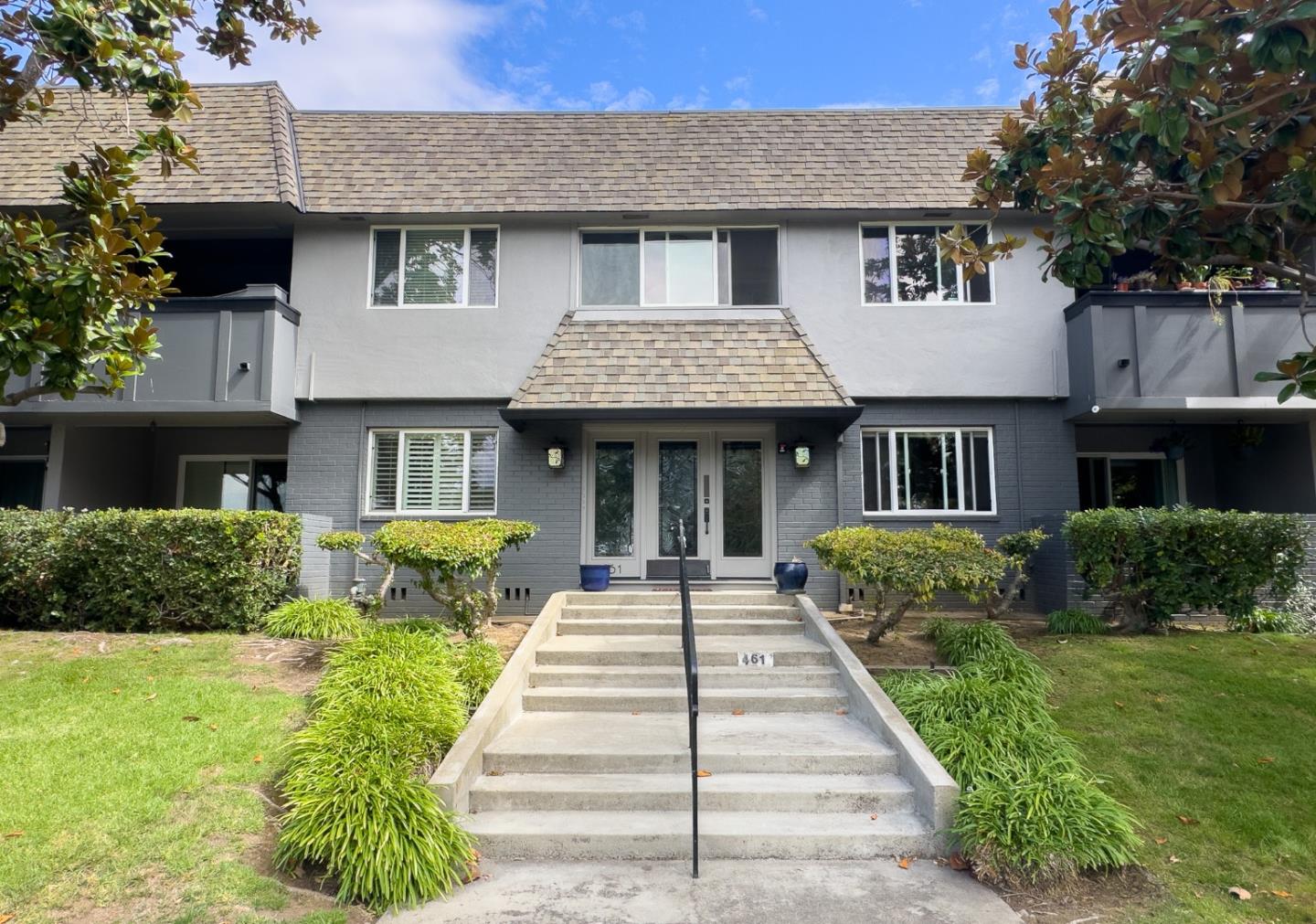
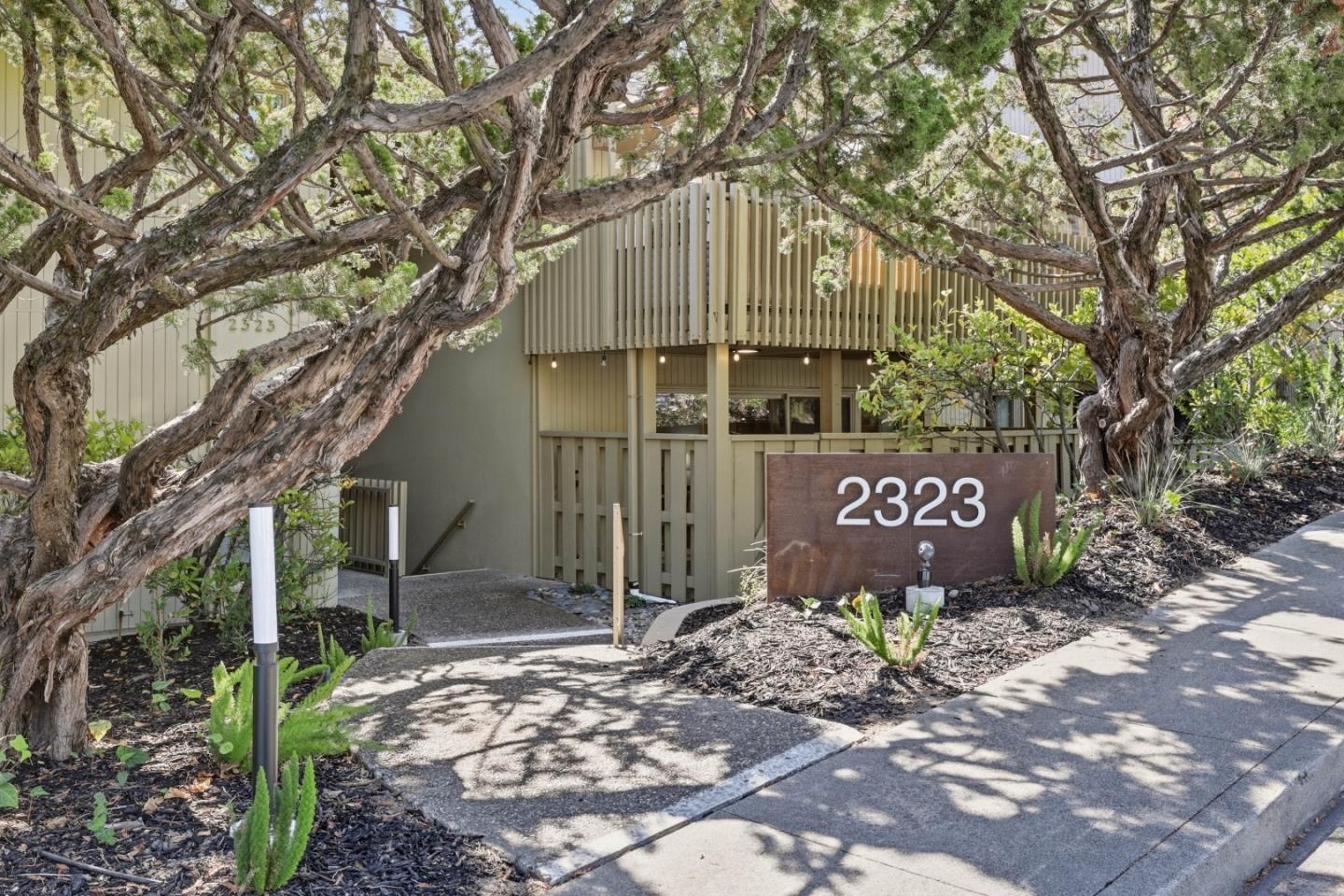
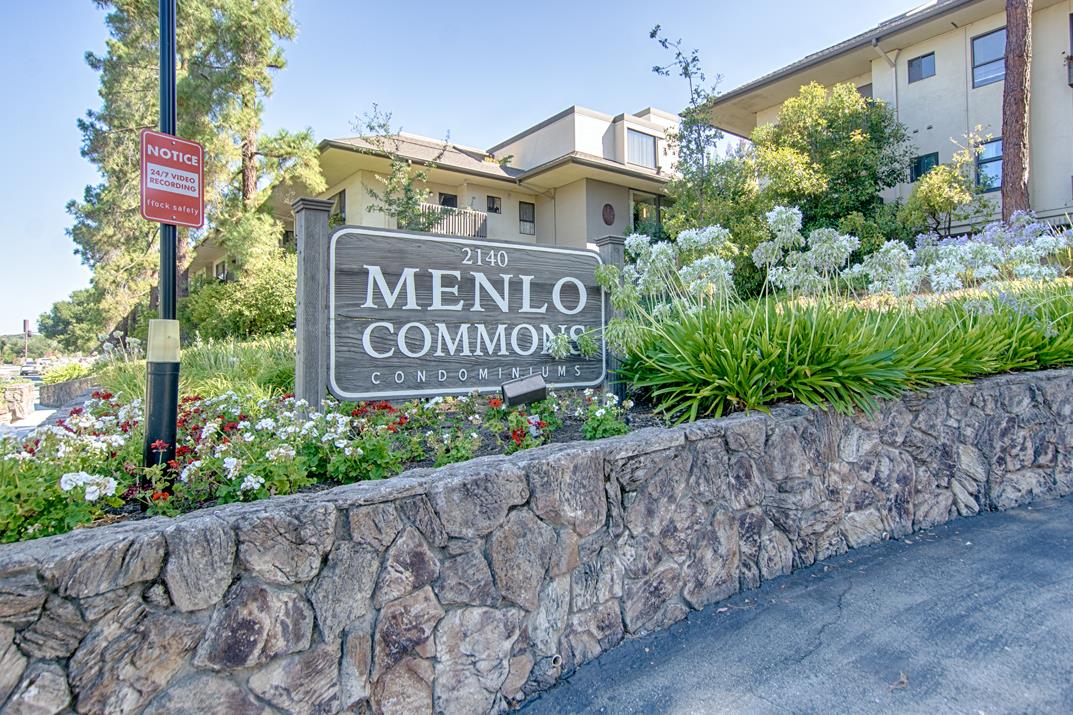
As for what you'll actually be bidding on, the housing stock falls into three broad buckets: mid-century ranch homes (heavily in The Willows and Allied Arts, prized as charm or as land), modern luxury rebuilds (expanding across West Menlo and Vintage Oaks, often $4M–$6M+), and condos and townhomes (concentrated near Downtown and Sharon Heights, the accessible entry point around $1.2M–$2M).
Selling a Home in Menlo Park
Sellers hold the advantage, but this is not a market where you can coast. Local buyers are analytical to a fault—attuned to tech stock performance, rate movements, and presentation—and a flawed launch can leave real money on the table.
The winning approach is event pricing: listing slightly below true market value to manufacture competition. If a home is genuinely worth $3.2M, an experienced agent may list it at $2.95M. That price pulls the property into more buyers' search filters, packs the open houses, and lets fear of missing out drive the final number to its natural ceiling. It sounds counterintuitive to price low on purpose, but in a town conditioned to expect bidding wars, it consistently outperforms the alternative.
That alternative—pricing high to "test the market"—is genuinely risky here. If a home sits past 21 days, savvy buyers assume something is wrong with it, and the listing loses the momentum that commands a premium.
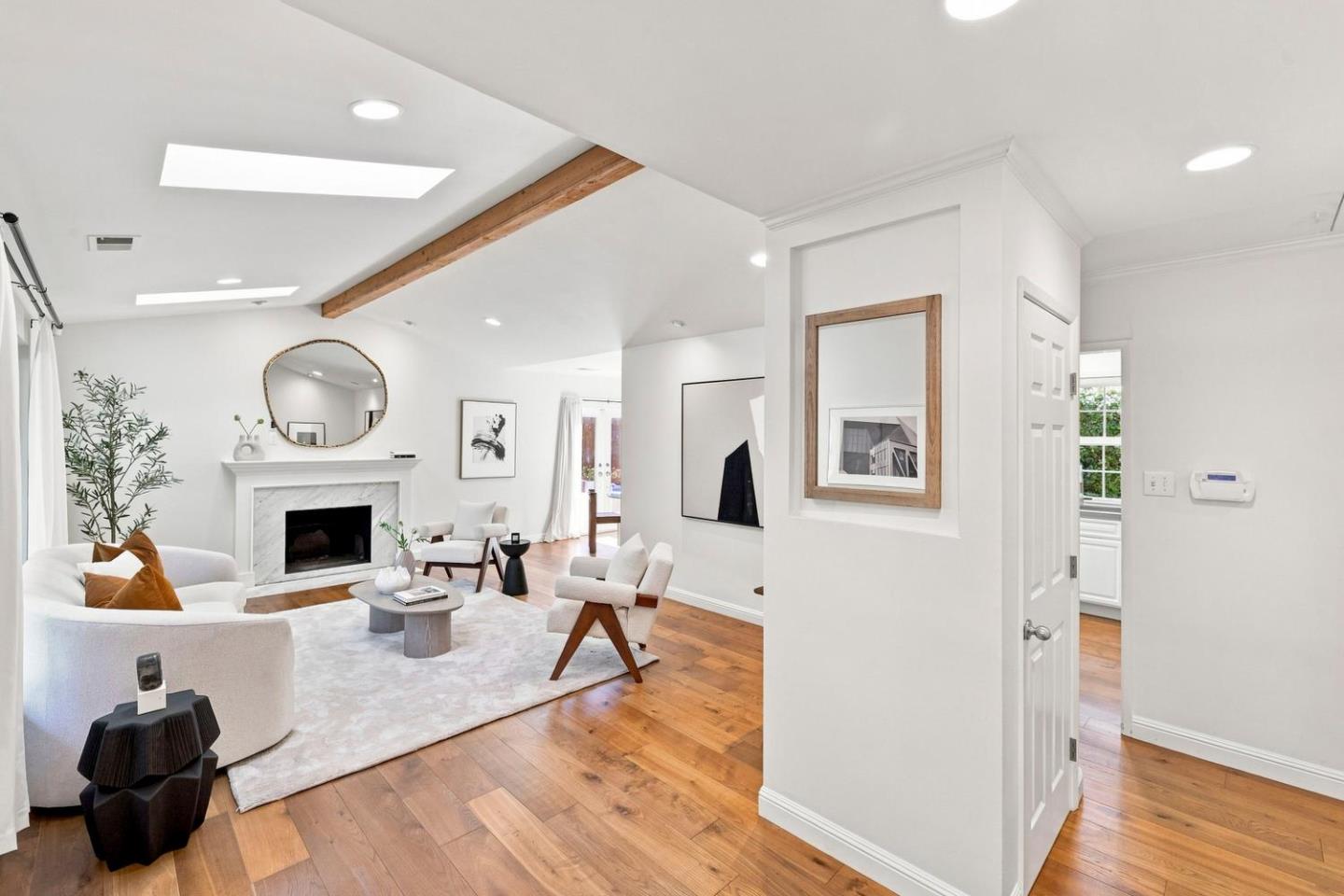
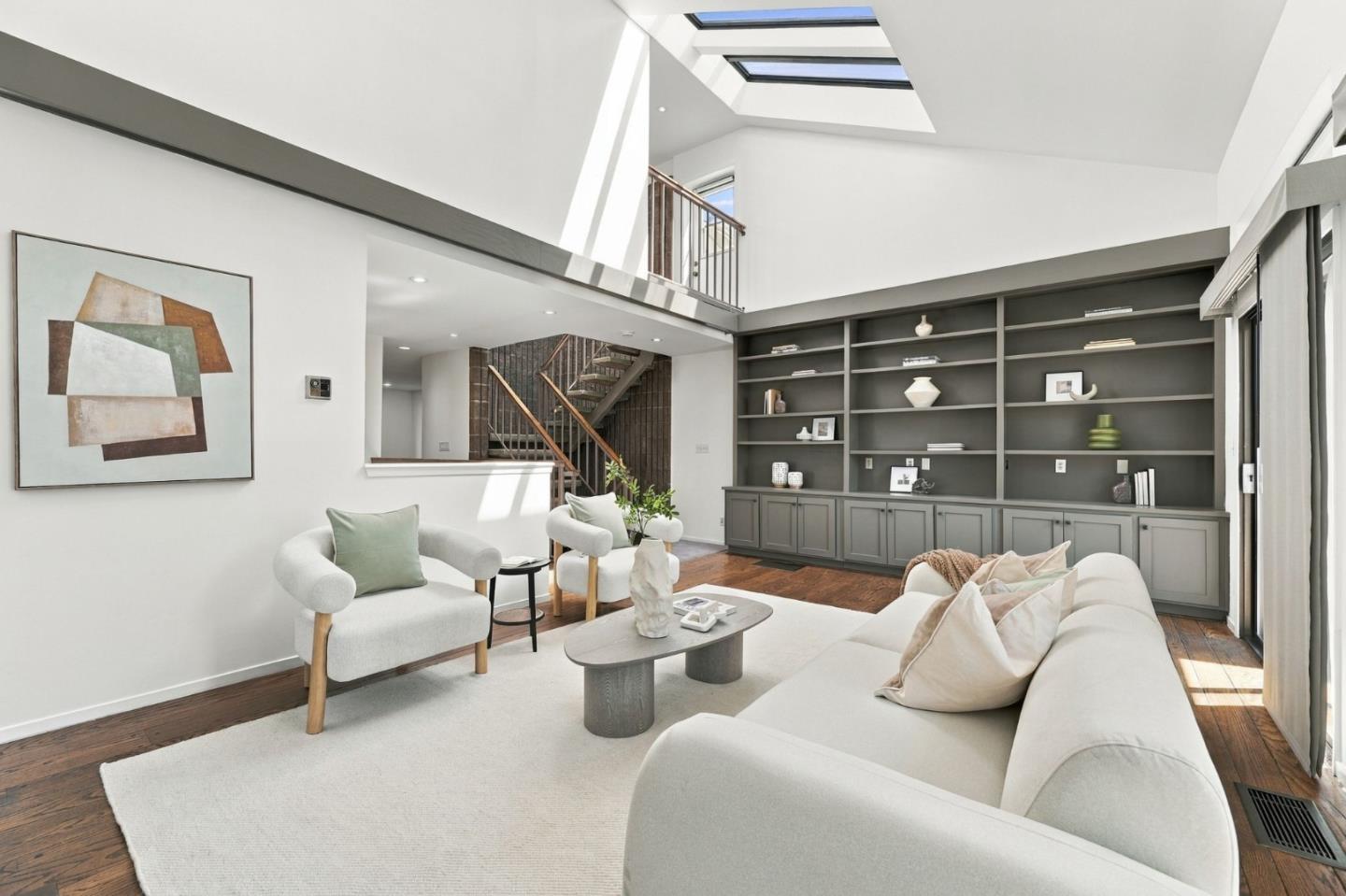
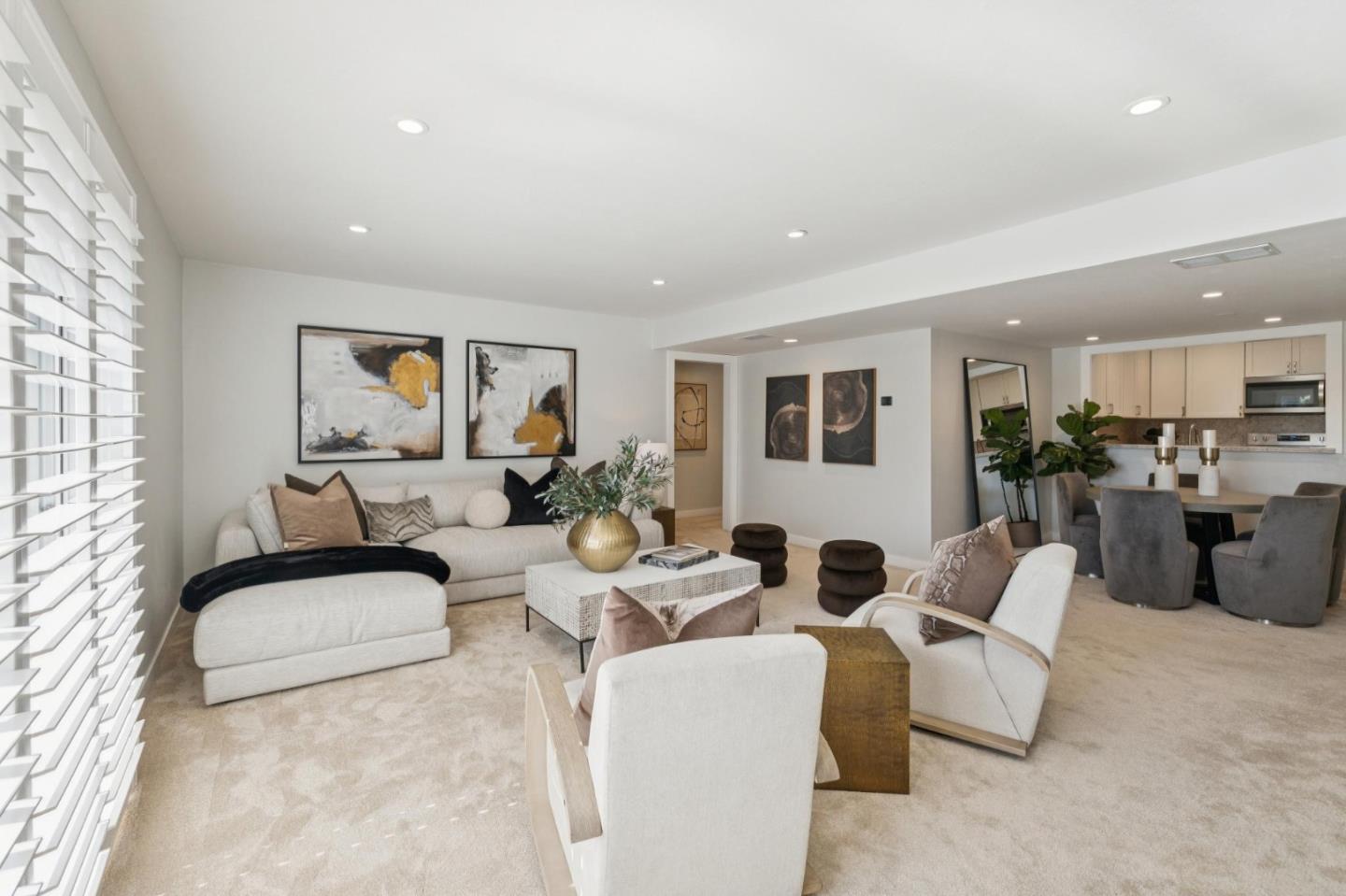
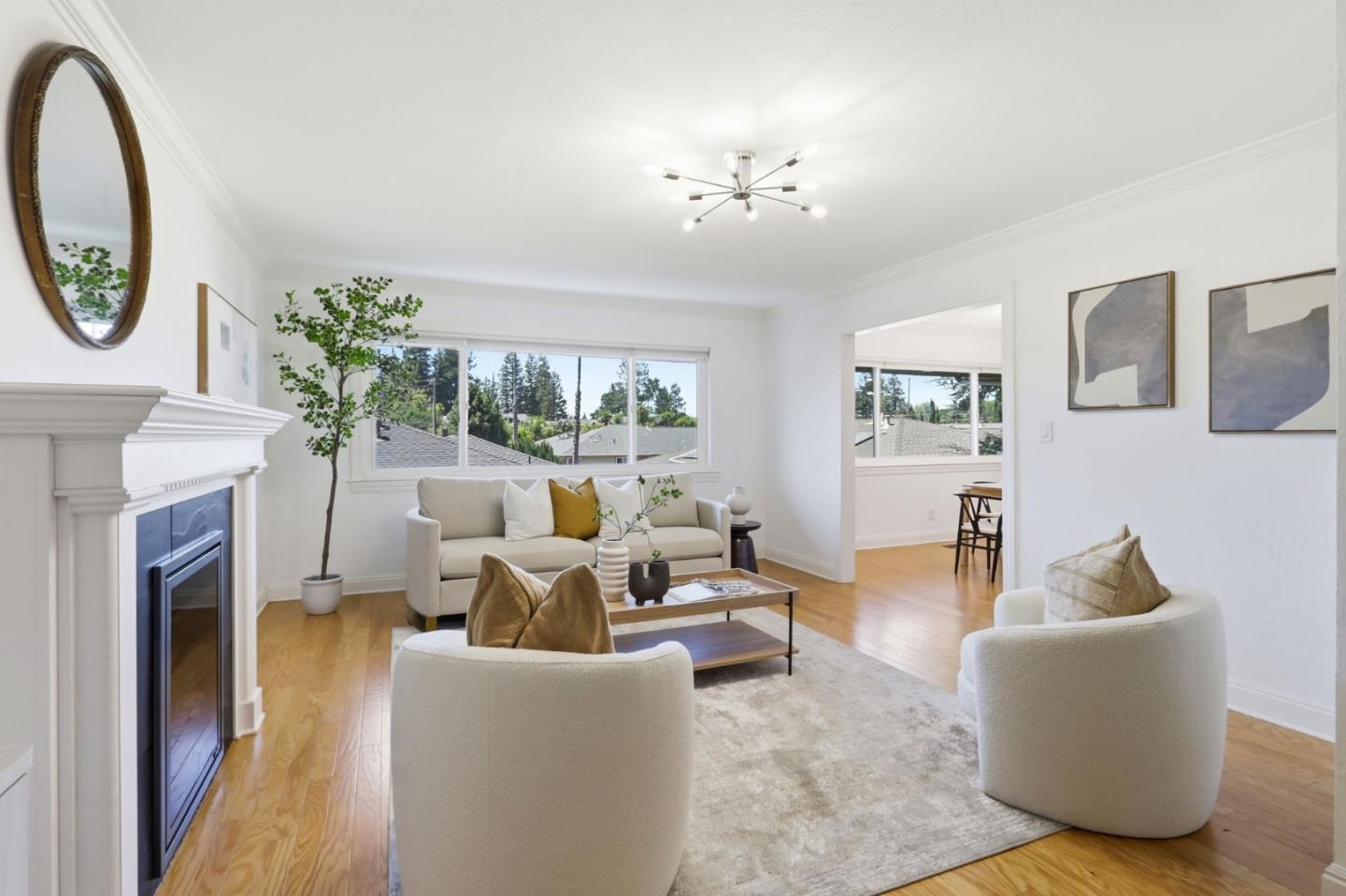
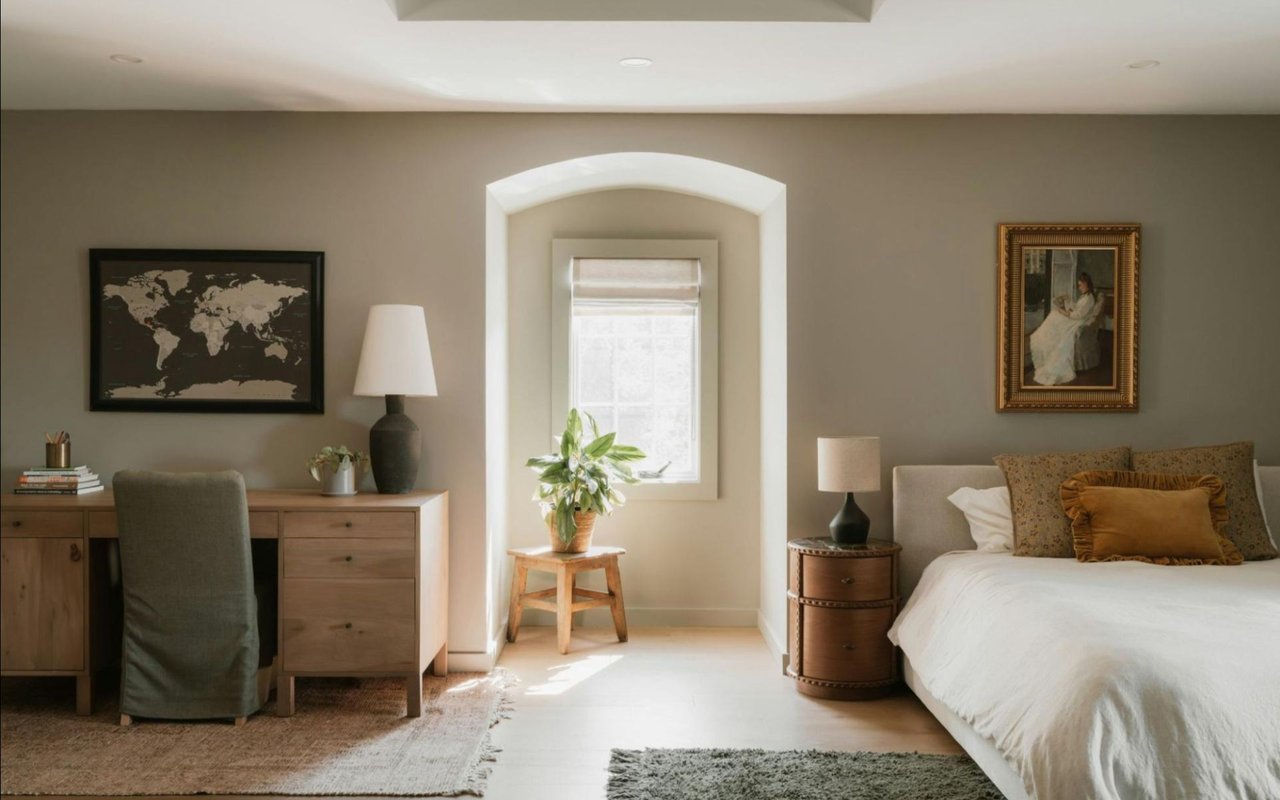
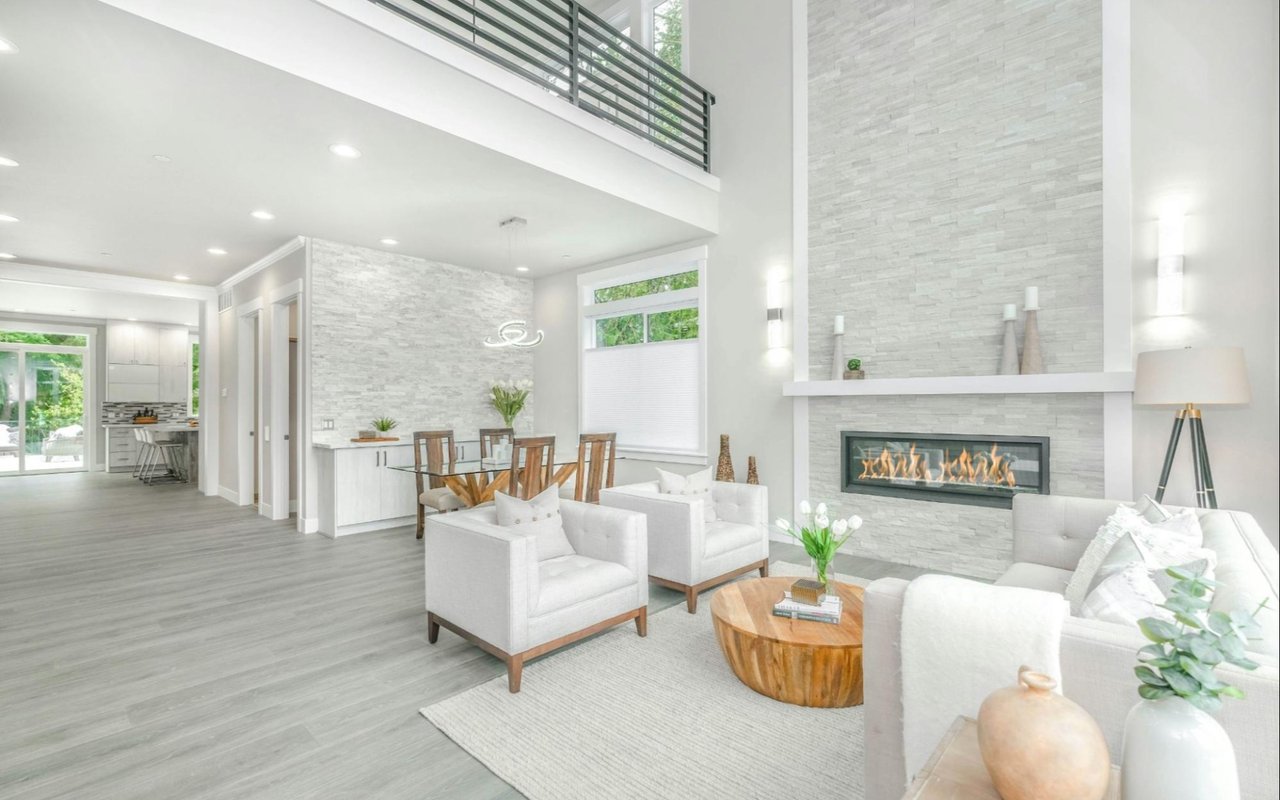
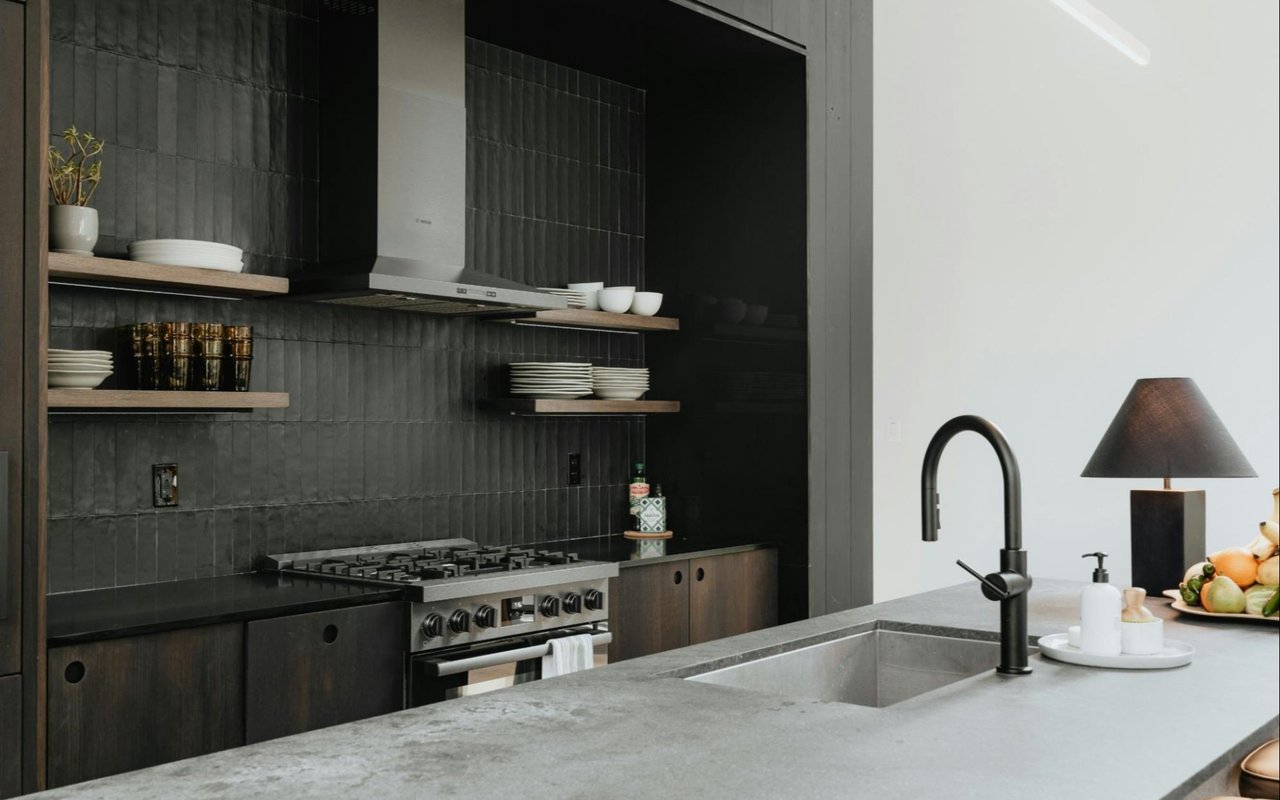
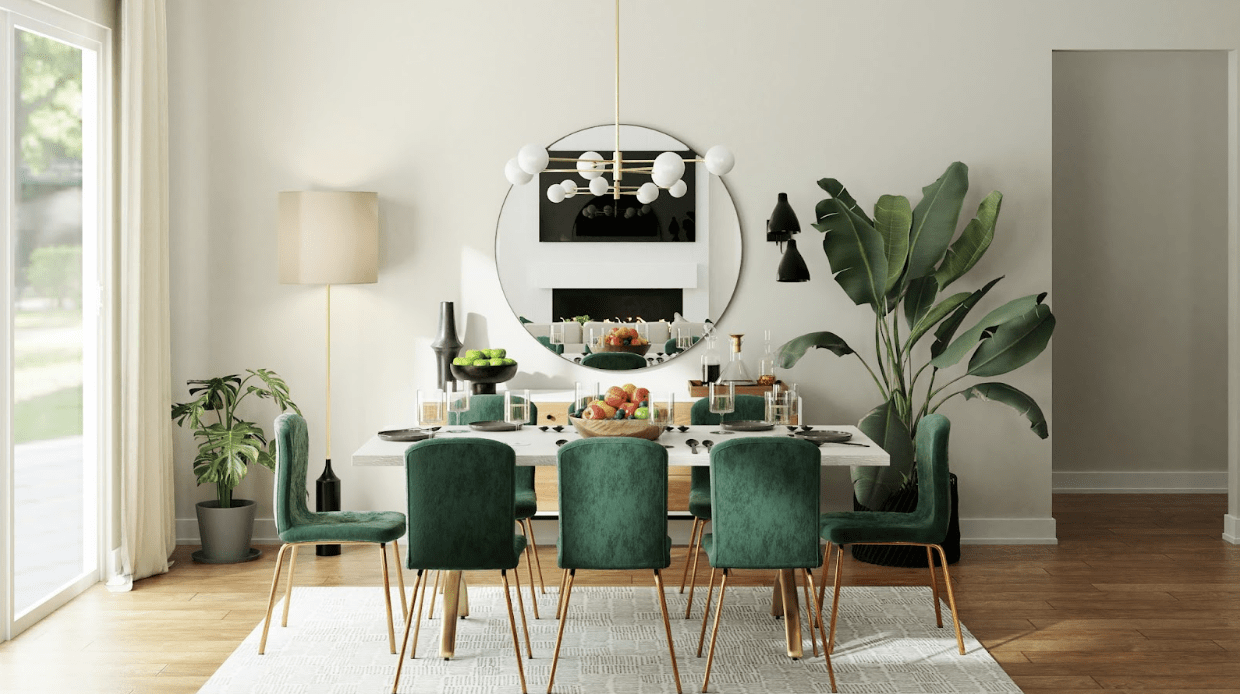
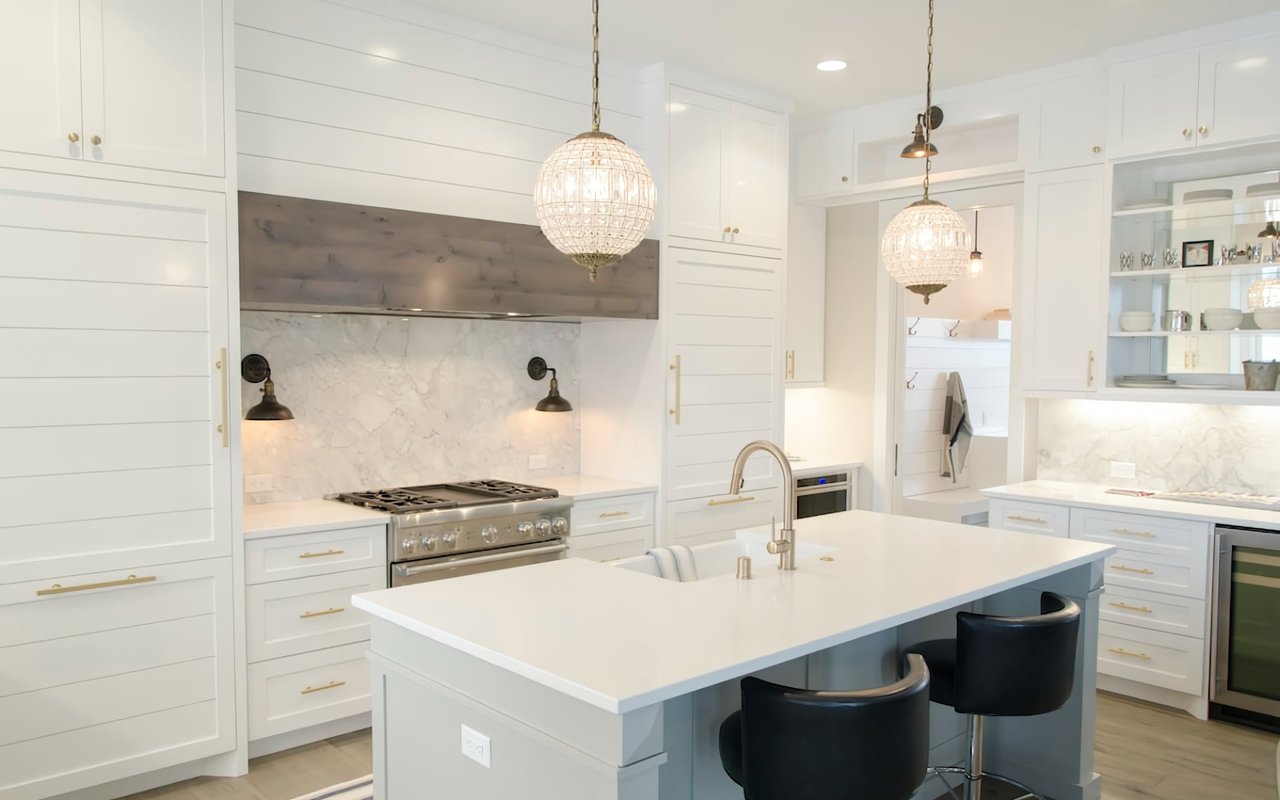
Presentation is not optional. Buyers expect a turnkey experience and will mentally deduct a steep "inconvenience discount" from anything needing work. A strategic pre-listing refresh pays off: neutral paint inside and out, updated fixtures, refinished hardwood, and sharp landscaping. Professional, contemporary staging is effectively mandatory—it defines spaces (home offices matter in a hybrid-work town) and maximizes perceived square footage in the online photos where roughly 95% of buyers first form an opinion.
When it's done right, the timeline is a whirlwind: a week or two of prep and staging, a Thursday MLS launch, an intense weekend of tours and open houses, and an offer-review date the following Tuesday or Wednesday where the seller picks a winner and goes straight into contract. The median time to pending is about 12 days.
Menlo Park Home Buying Tips
Standard home-buying advice doesn't translate to a market where homes sell in under two weeks. A few tactics matter more here than almost anywhere else:
Treat the disclosure packet as your bible. You will likely have to waive your inspection contingency, so you need to become fluent in reading the seller's pre-market inspection reports. Review the structural, pest, and roof findings with your agent—and ideally an independent contractor—before offer day, so you can waive contingencies from knowledge rather than hope.
Get fully underwritten, not just pre-qualified. Have your financial file vetted by a lender's underwriter before you tour a single home. That's what lets you waive the financing contingency and compete on speed with the cash buyers you'll inevitably face.
Learn the micro-barriers. Prices in Menlo Park swing sharply across hyper-local lines. Crossing Highway 101 or the Caltrain tracks changes price-per-square-foot and neighborhood feel entirely, and school-district boundaries—Menlo Park City School District versus Ravenswood City School District—can move value dramatically between adjacent streets. Know exactly which side of the line a home sits on.
Keep an appraisal-gap reserve. If you bid 10% to 15% over list to win, the bank's appraiser may not agree with the contract price. Because you'll probably waive the appraisal contingency, you need liquid cash above your down payment to bridge that gap.
How to Price Your Home in Menlo Park
Pricing here is less about landing on a "fair" number and more about engineering buyer psychology.
Start with a disciplined comparative market analysis, but abandon the standard radius search—it doesn't work in Menlo Park. Your comps should follow three rules: stay within about a half-mile on the same side of major barriers (Highway 101, El Camino Real, Caltrain); match your exact school-attendance zone, since buyers prioritize school proximity above nearly everything; and account for lot value, because with so many buyers looking to build, an older home's land may be worth more than its structure.
From there, use event pricing deliberately. Listing roughly 5% to 10% below true market value does two things at once: it lands your home in the search results of buyers capped just below your real target (a $3.3M home listed at $2.99M appears for everyone searching under $3M), and it signals a deal that fills the open houses. When multiple buyers fall for the same property on the same weekend, competition does the pricing work for you.
The mistake to avoid is anchoring to the maximum number you hope to get. Overpricing to "see what happens" tends to leave a home sitting past 14 to 21 days, and in Silicon Valley a stale listing reads as a defect. The price drop that follows usually costs far more than a strategic underprice ever would have.
Menlo Park Architecture & Home Styles
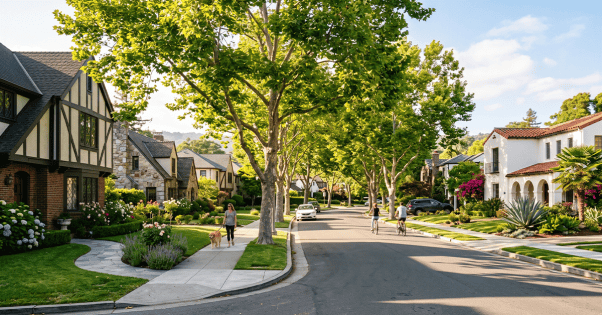
Menlo Park doesn't have a single look. Its defining trait is what you might call modern traditionalism—the town's century-plus of history layered against Silicon Valley's appetite for clean, high-end modernization—and the character shifts noticeably from one neighborhood to the next.
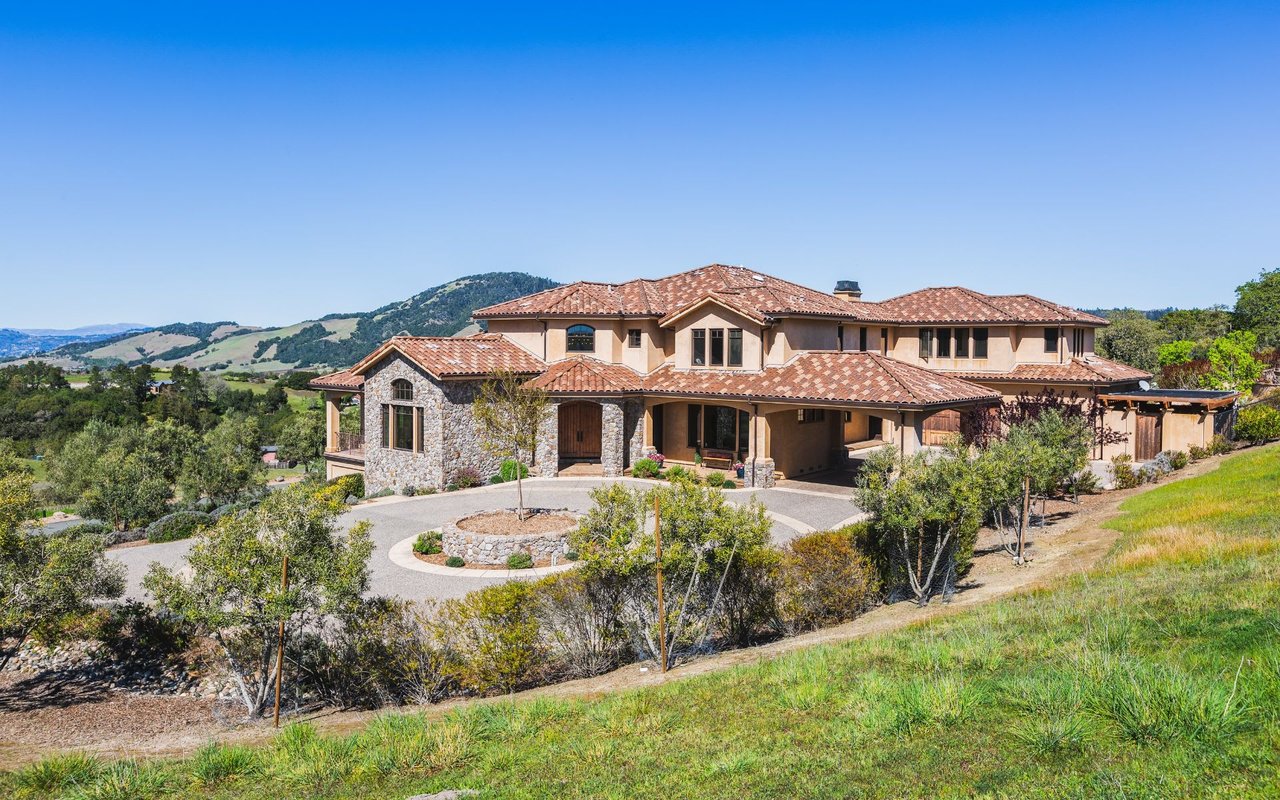
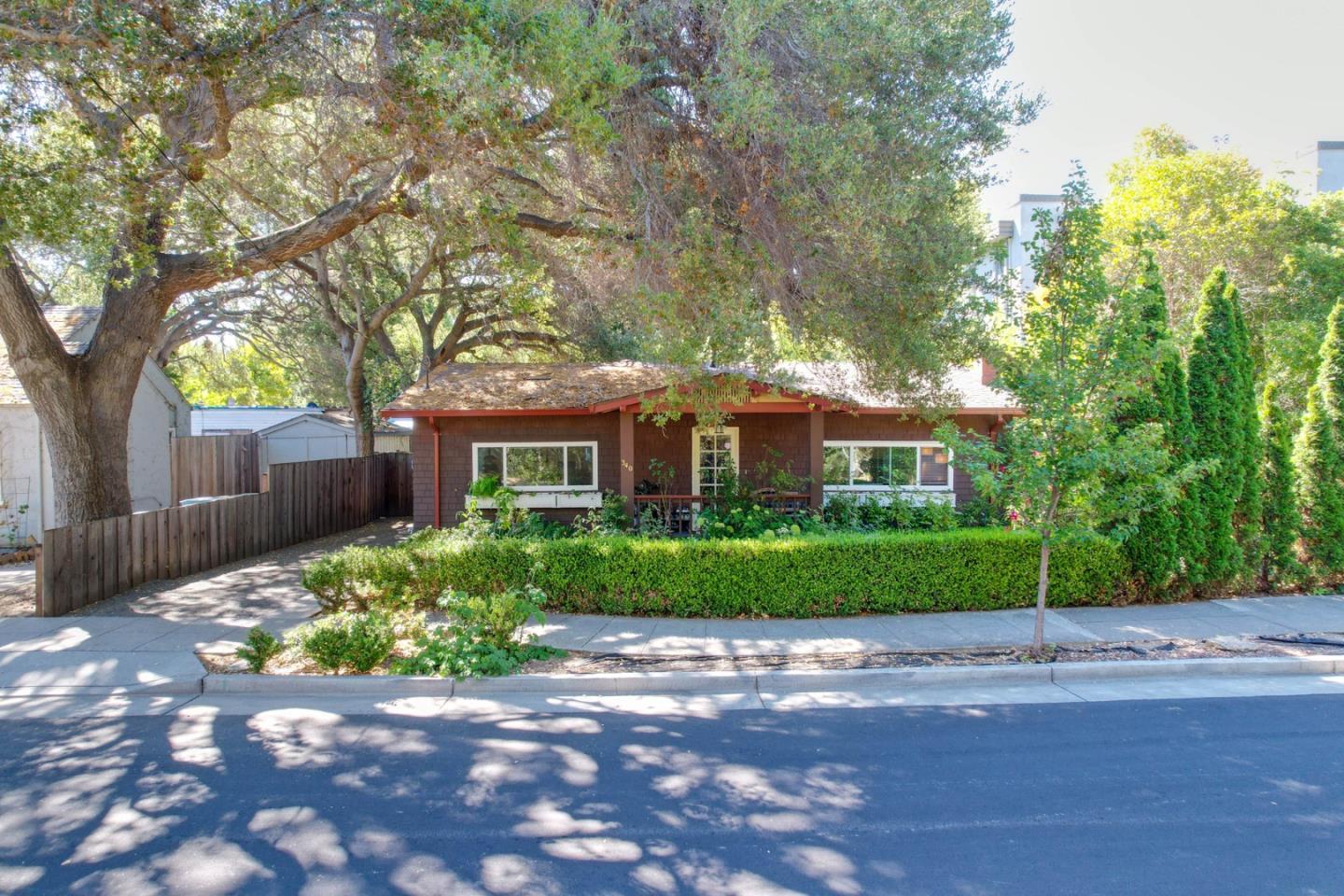
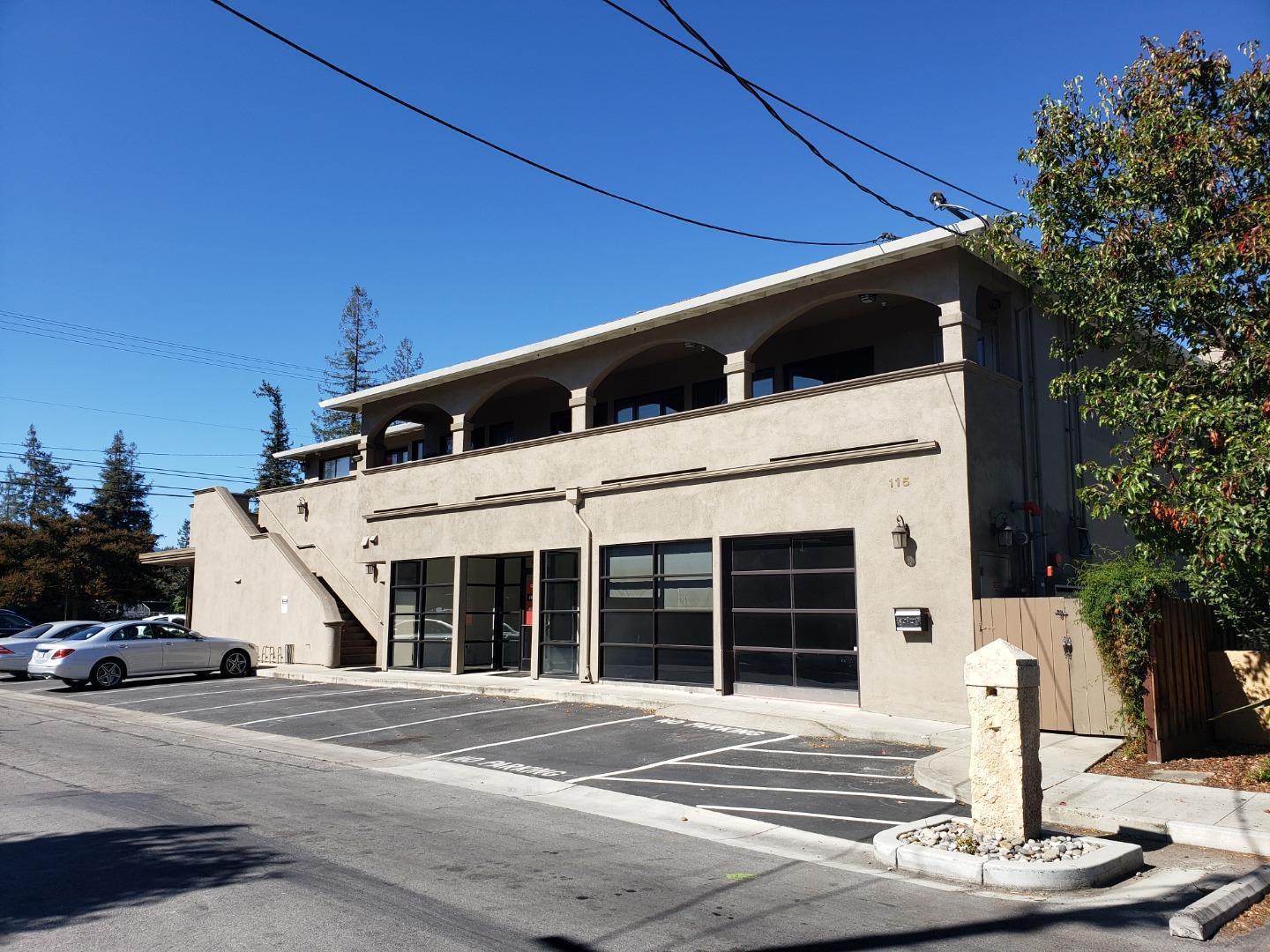
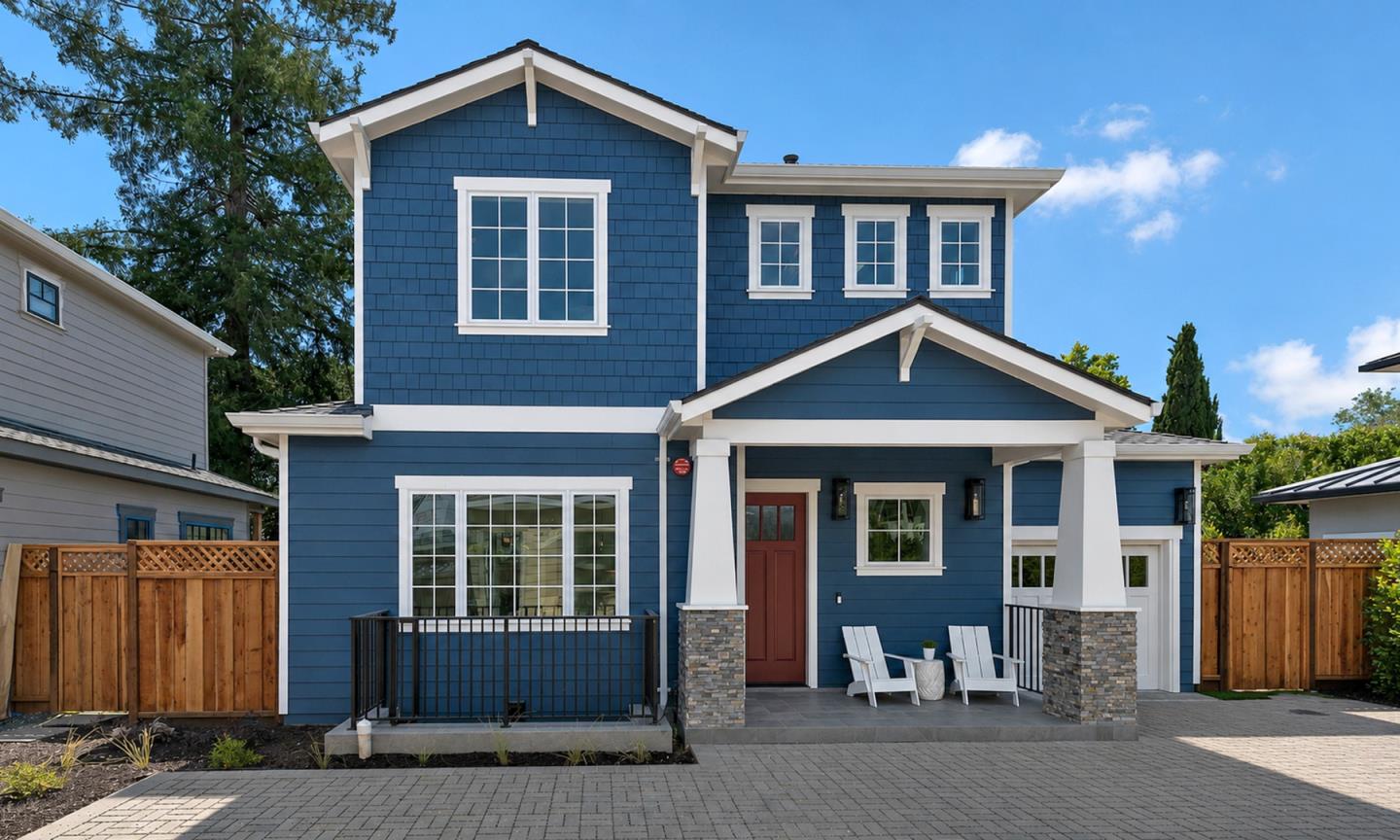
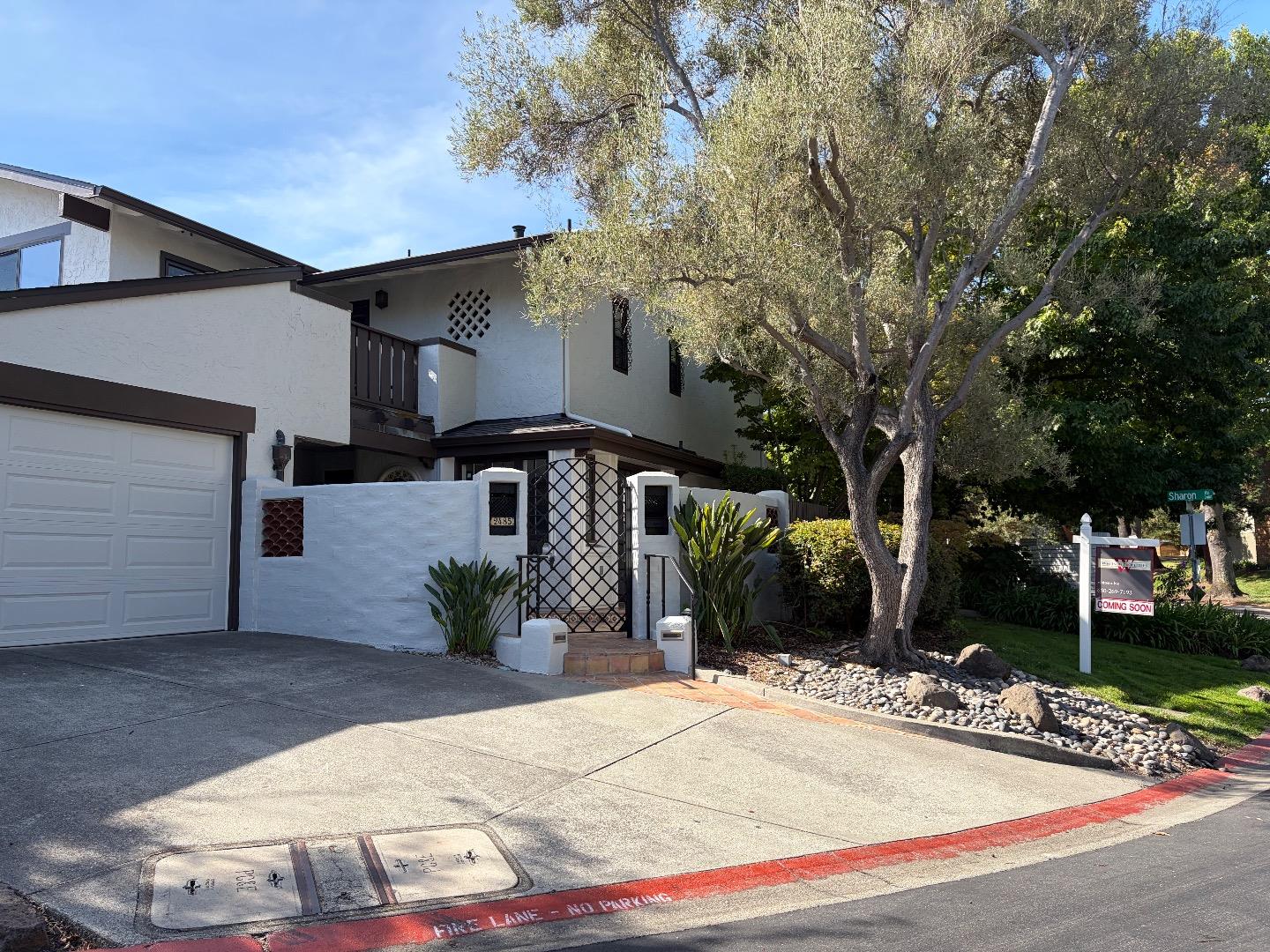
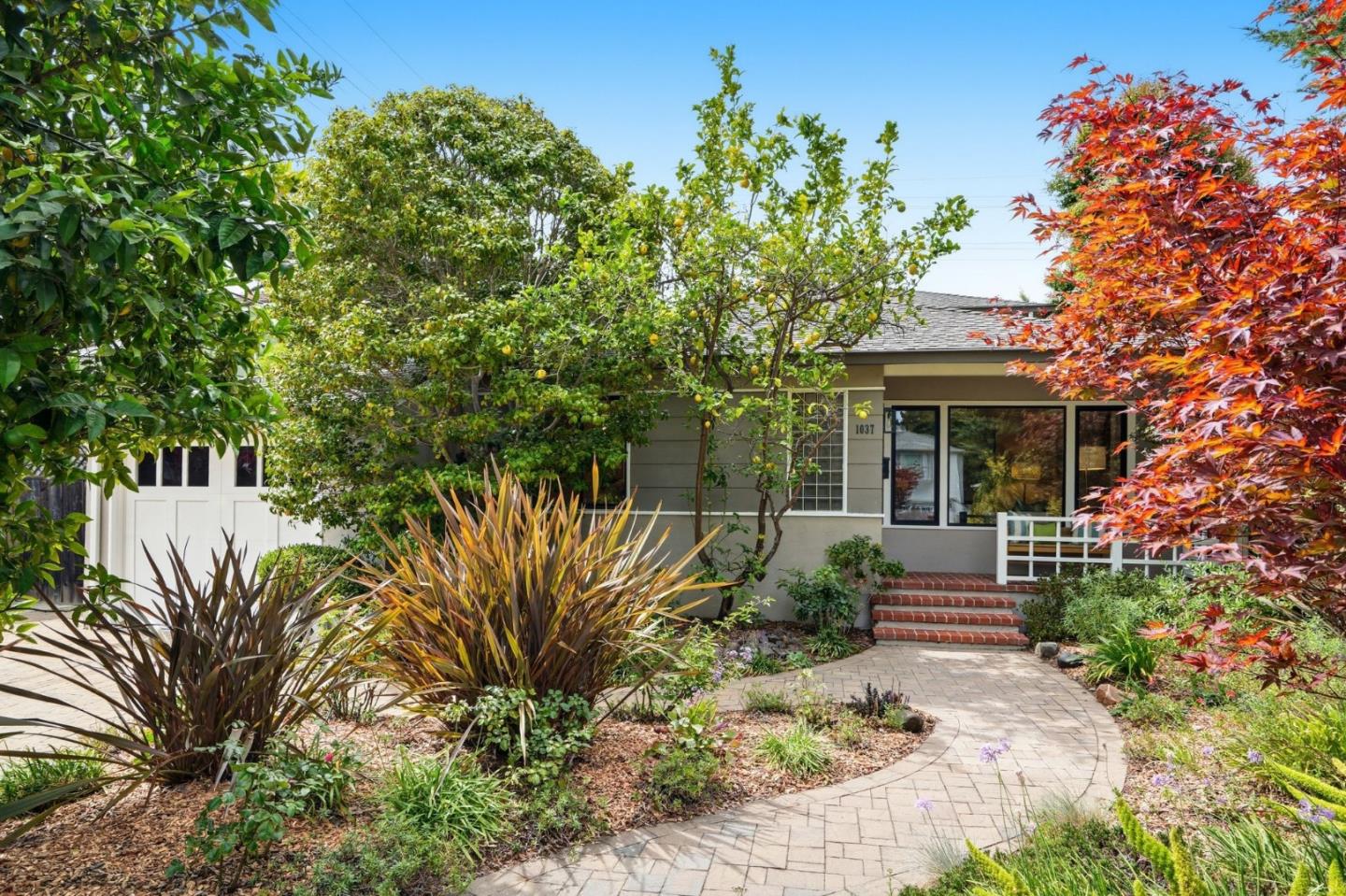
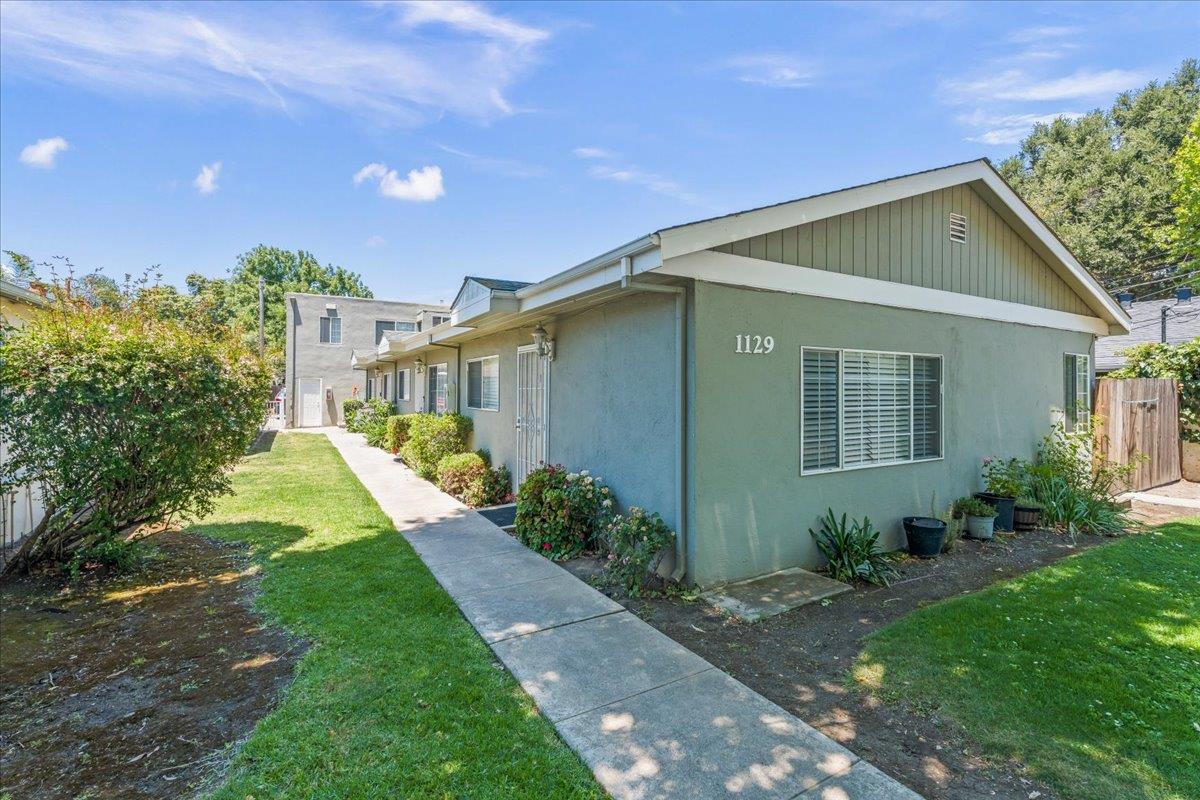
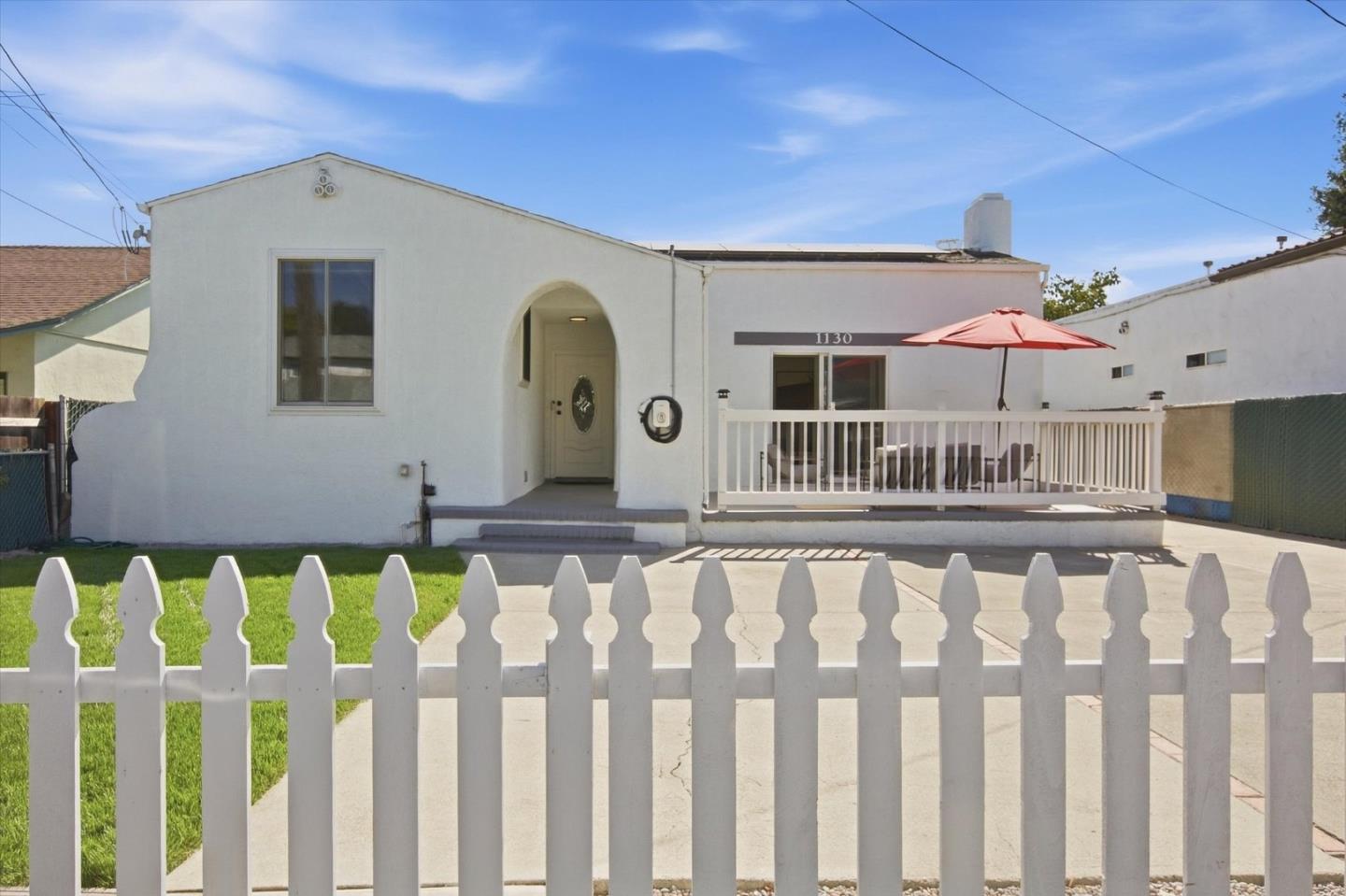
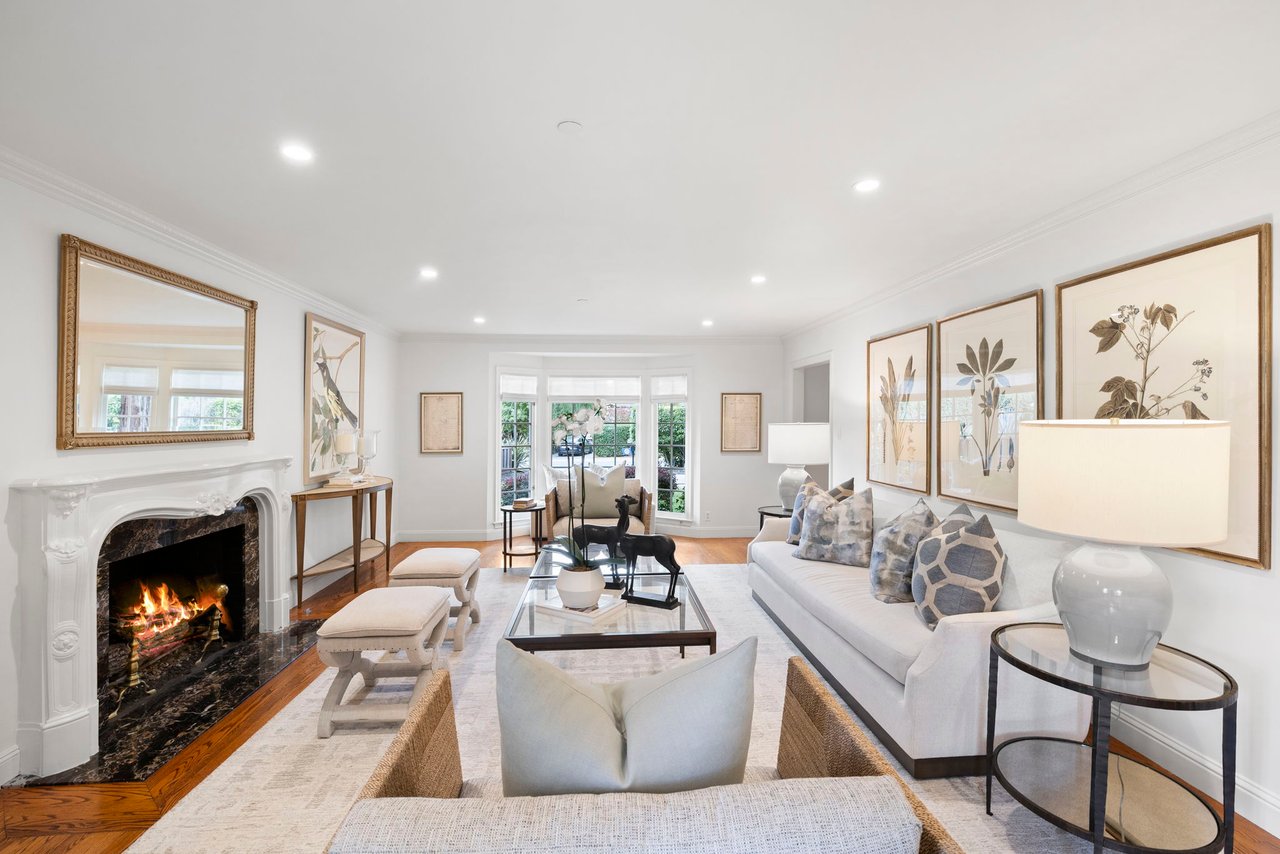
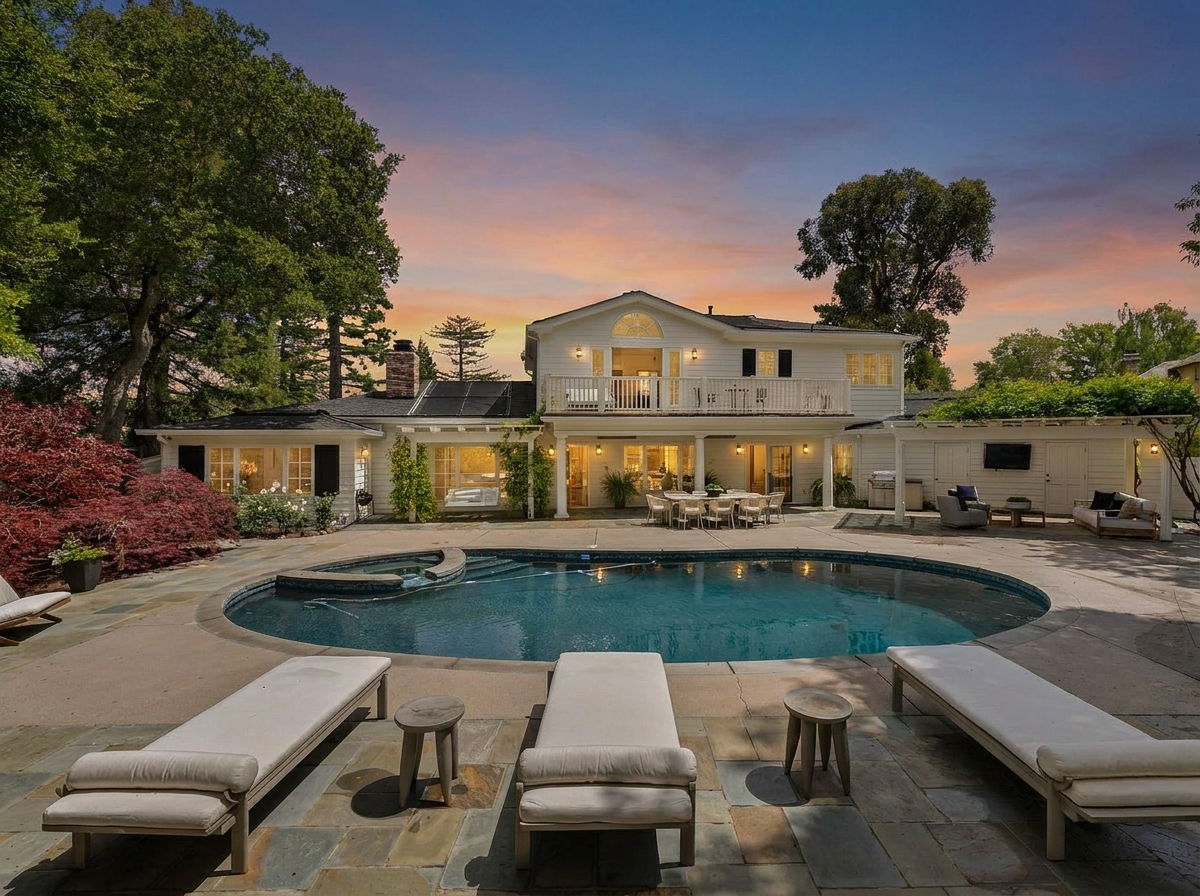
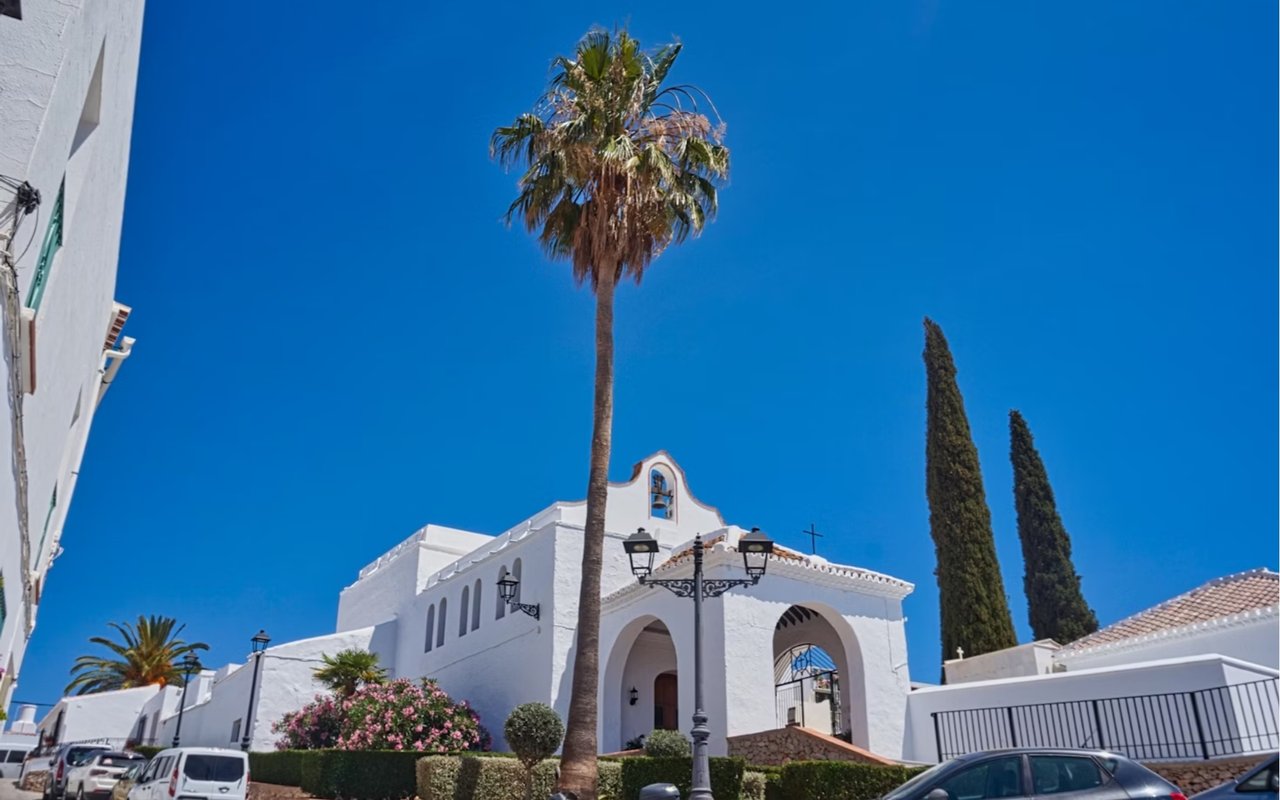
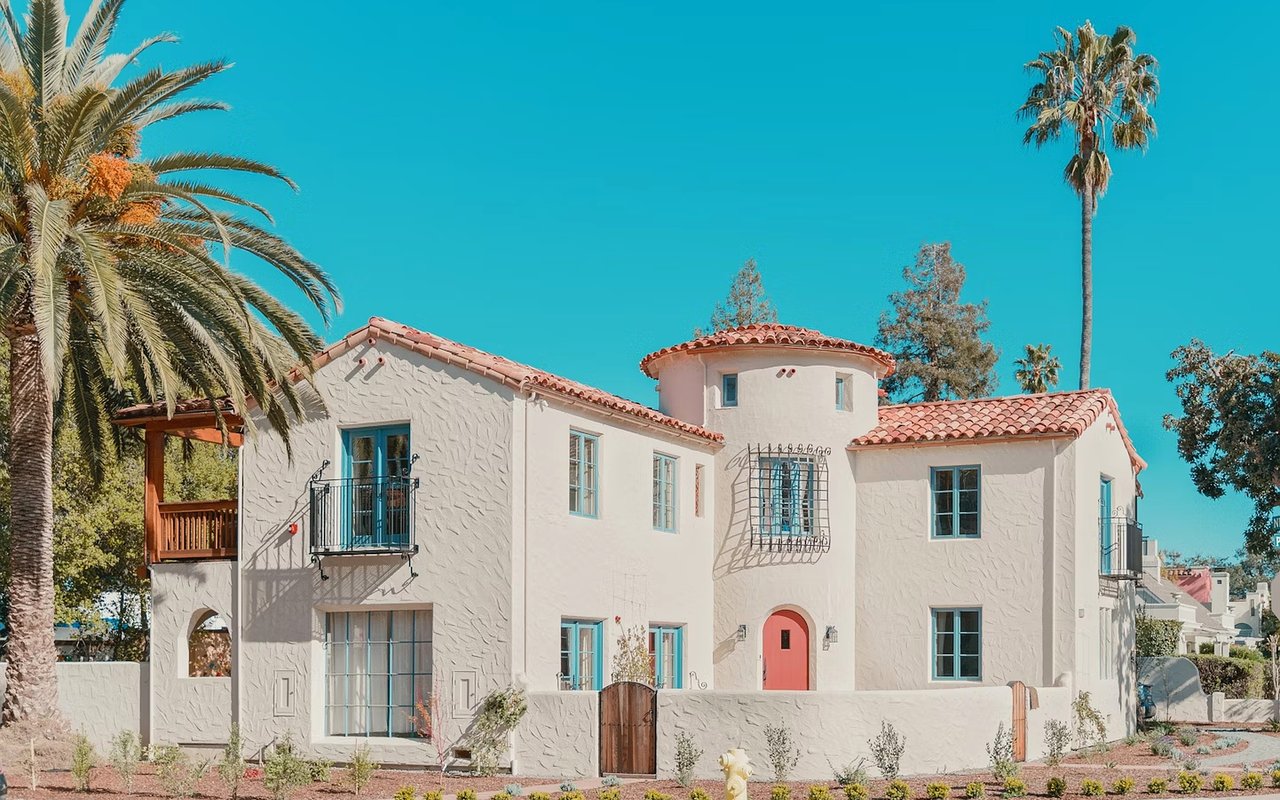
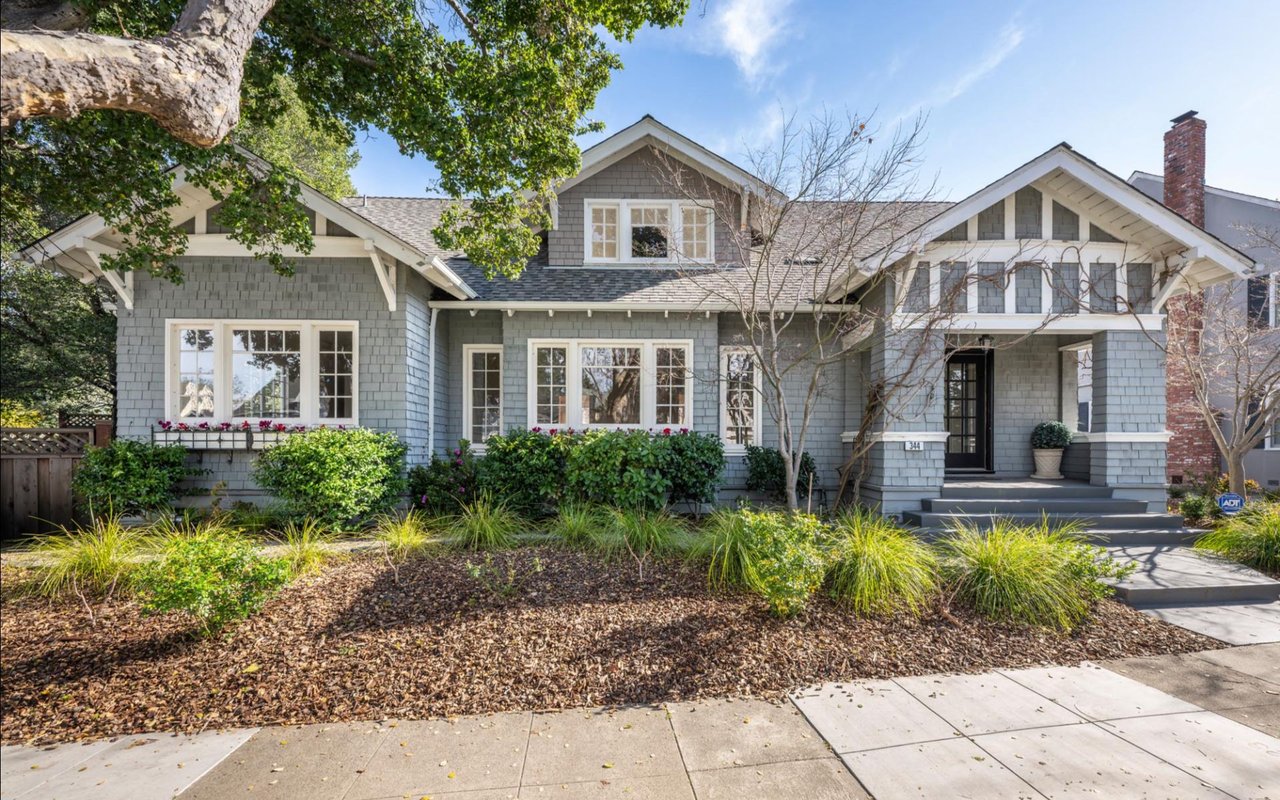
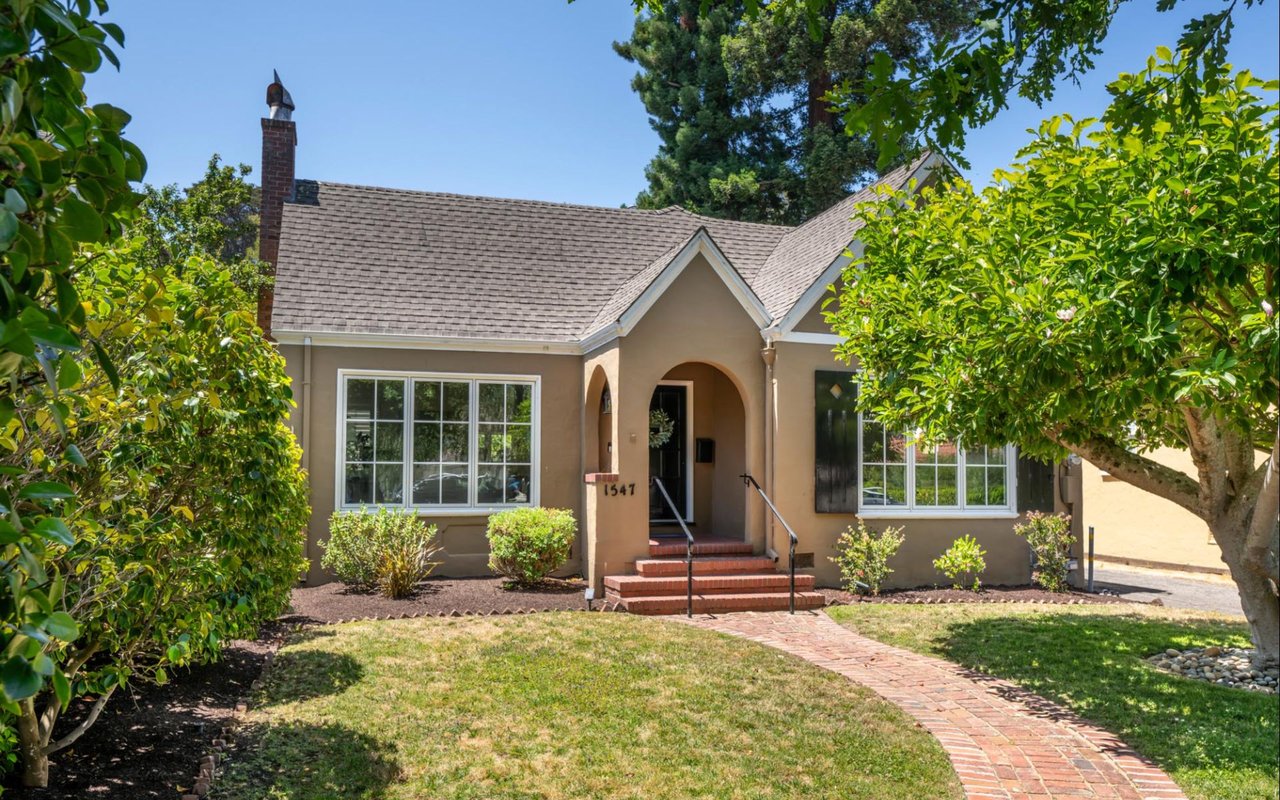
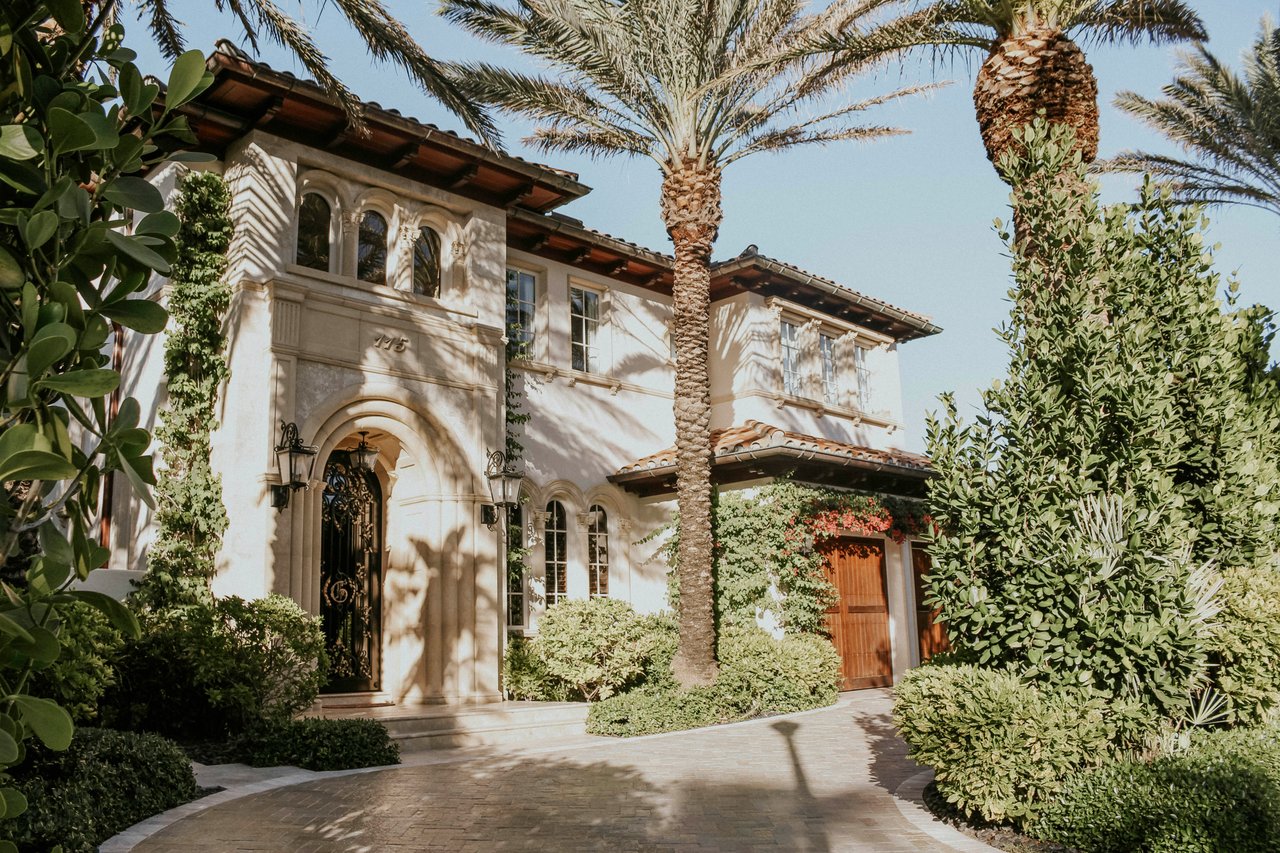
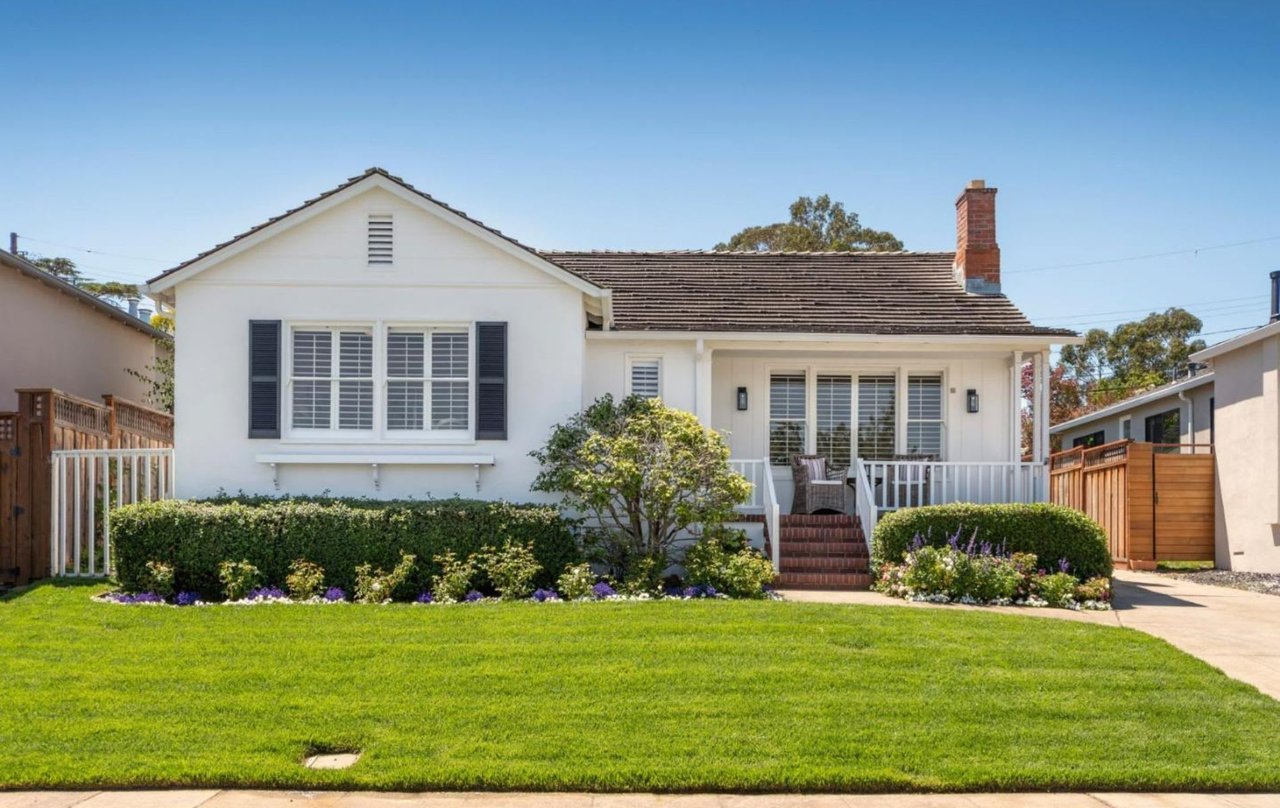
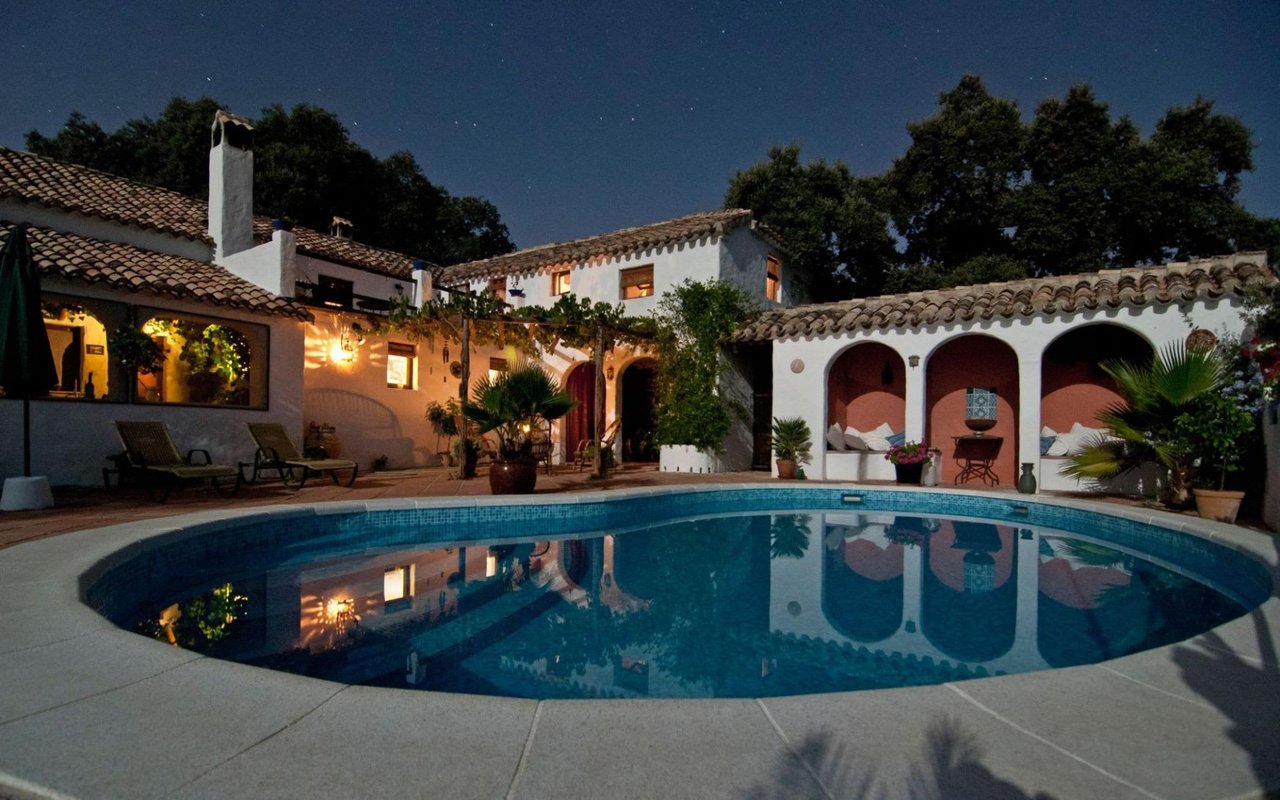
The legacy homes carry the most charm. Near the historic downtown and the coveted Allied Arts district, you'll find Craftsman bungalows and turn-of-the-century Victorians with intricate woodwork, low-pitched roofs, and welcoming porches, alongside Spanish Colonial Revivals with stucco walls, red tile roofs, and private courtyards. These homes reward buyers who value human-scale character, though many need structural and electrical updating.
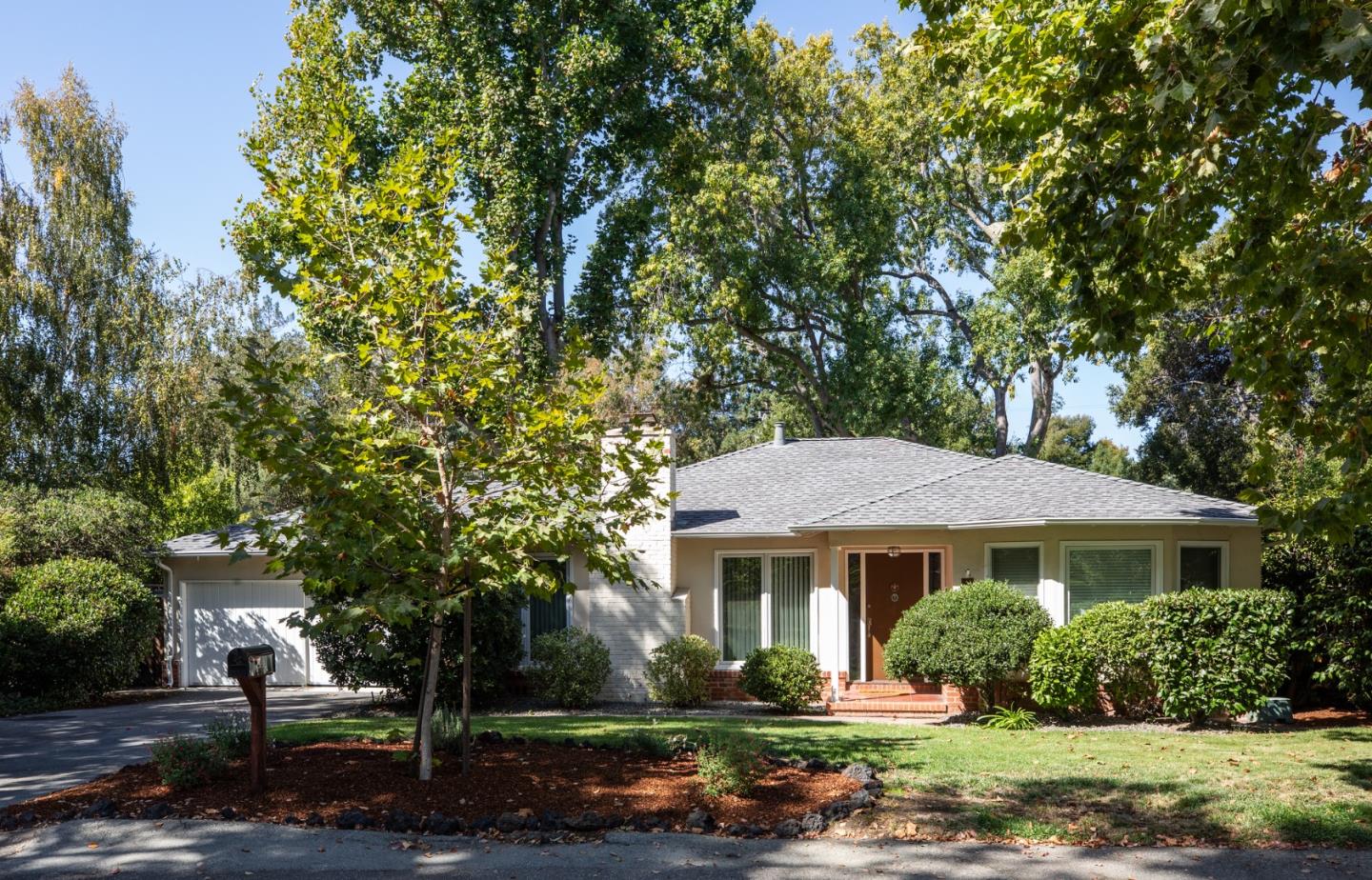
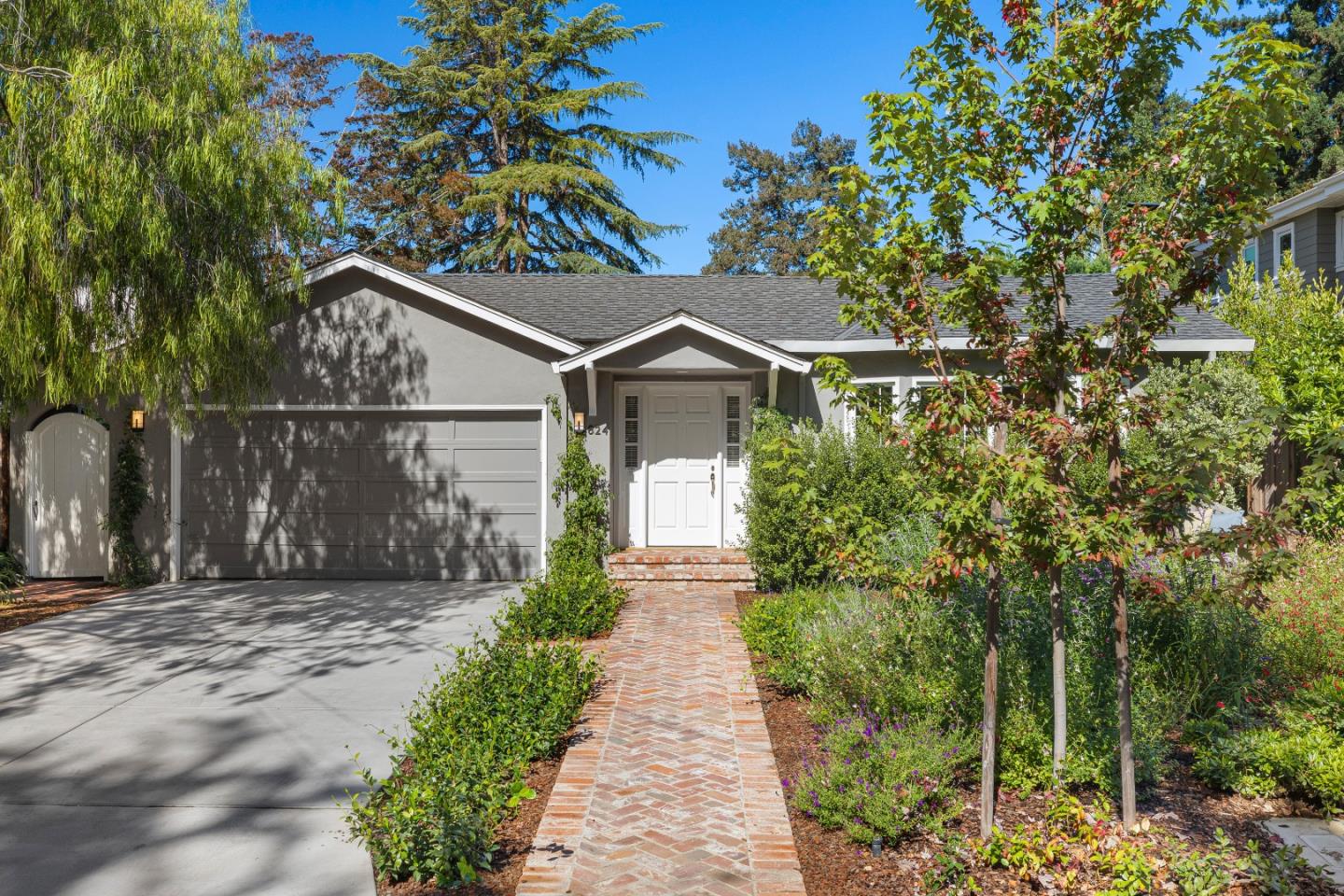
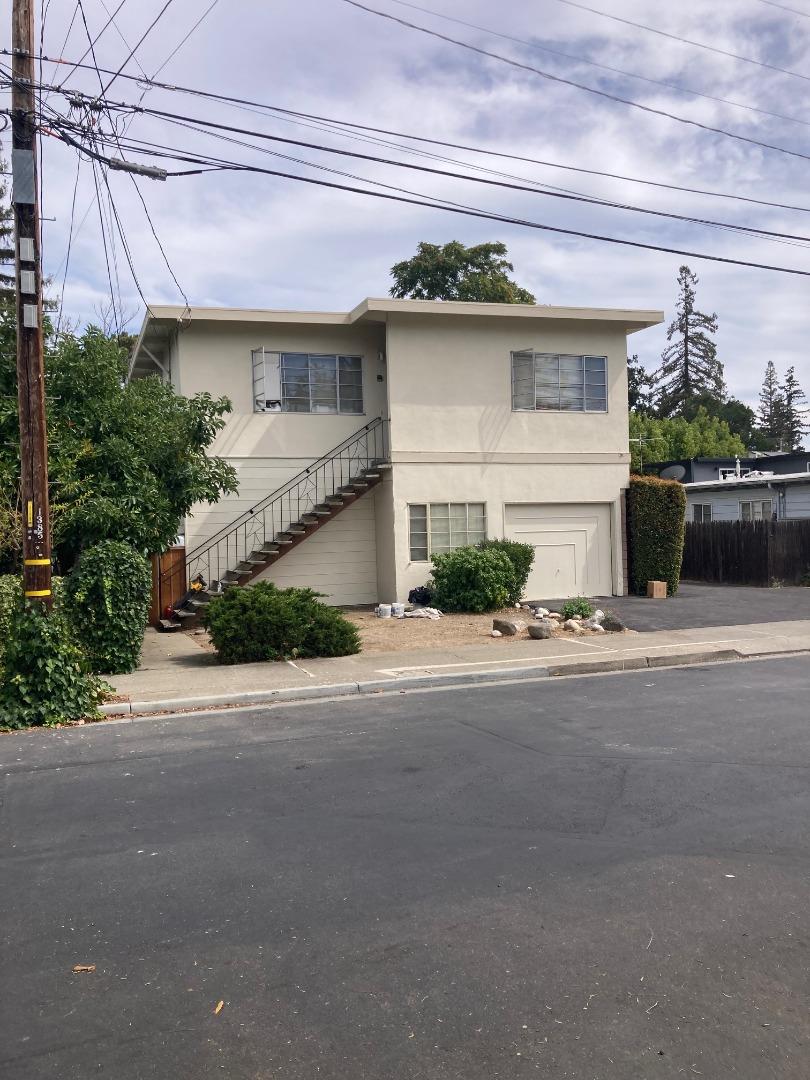
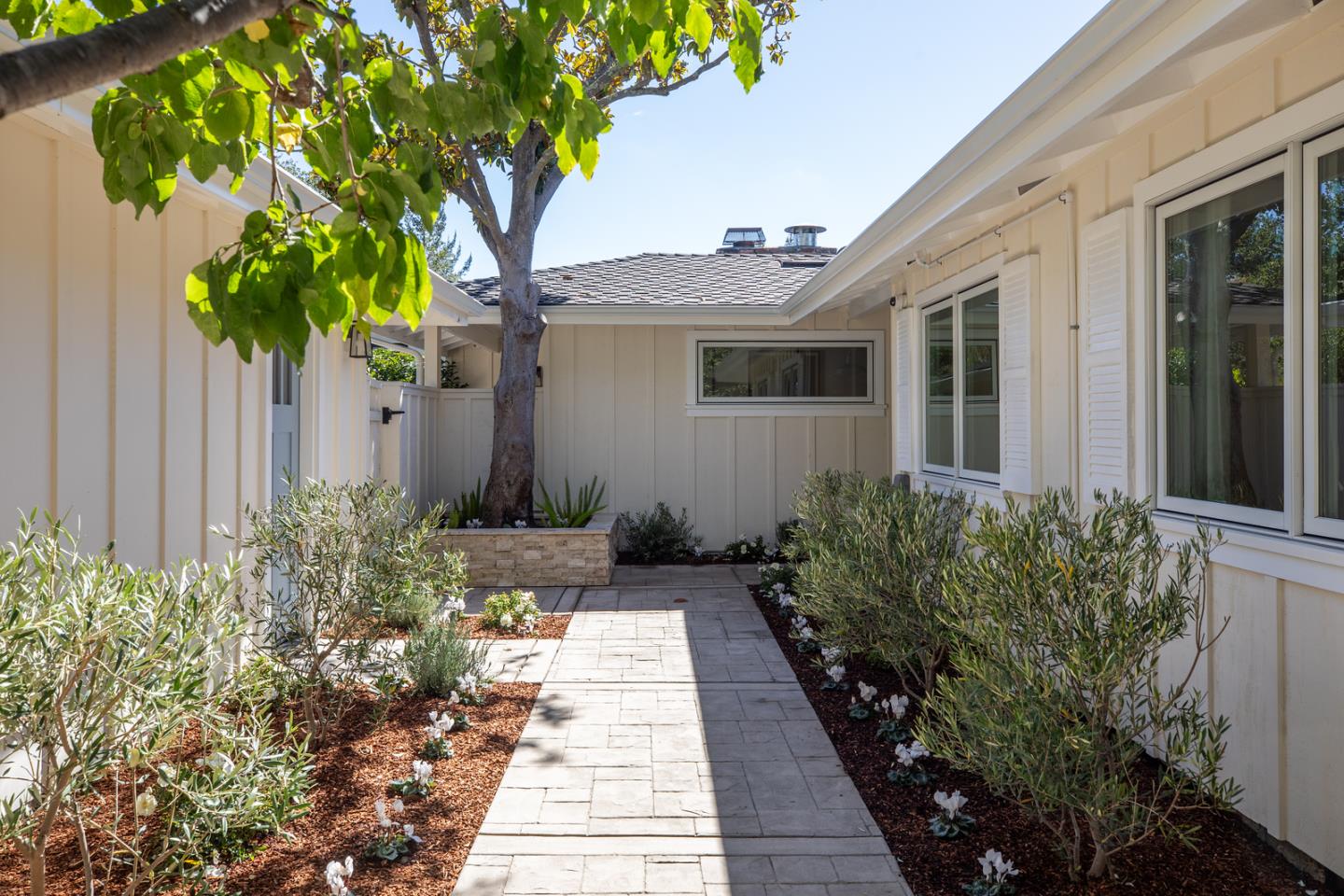
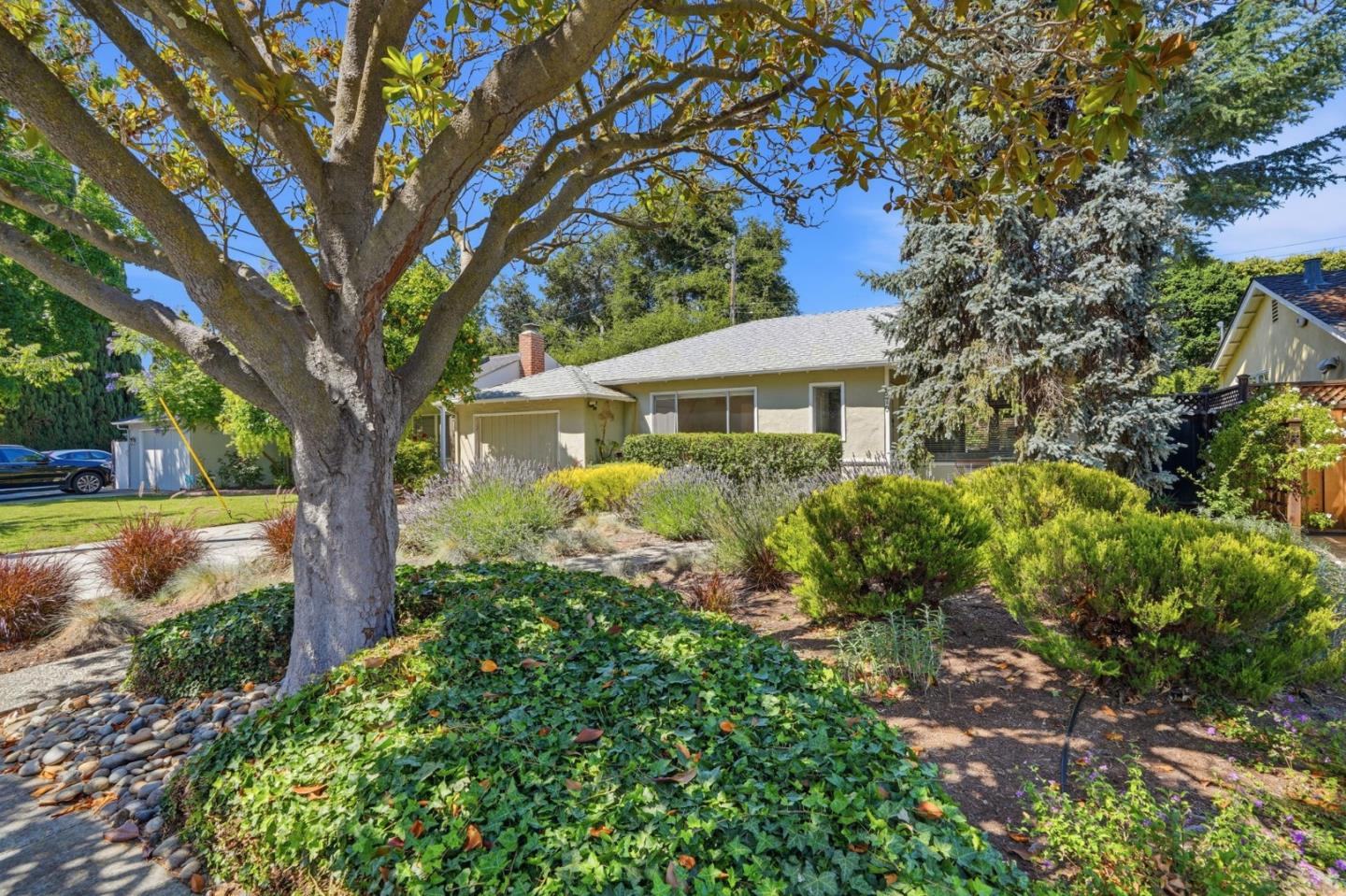
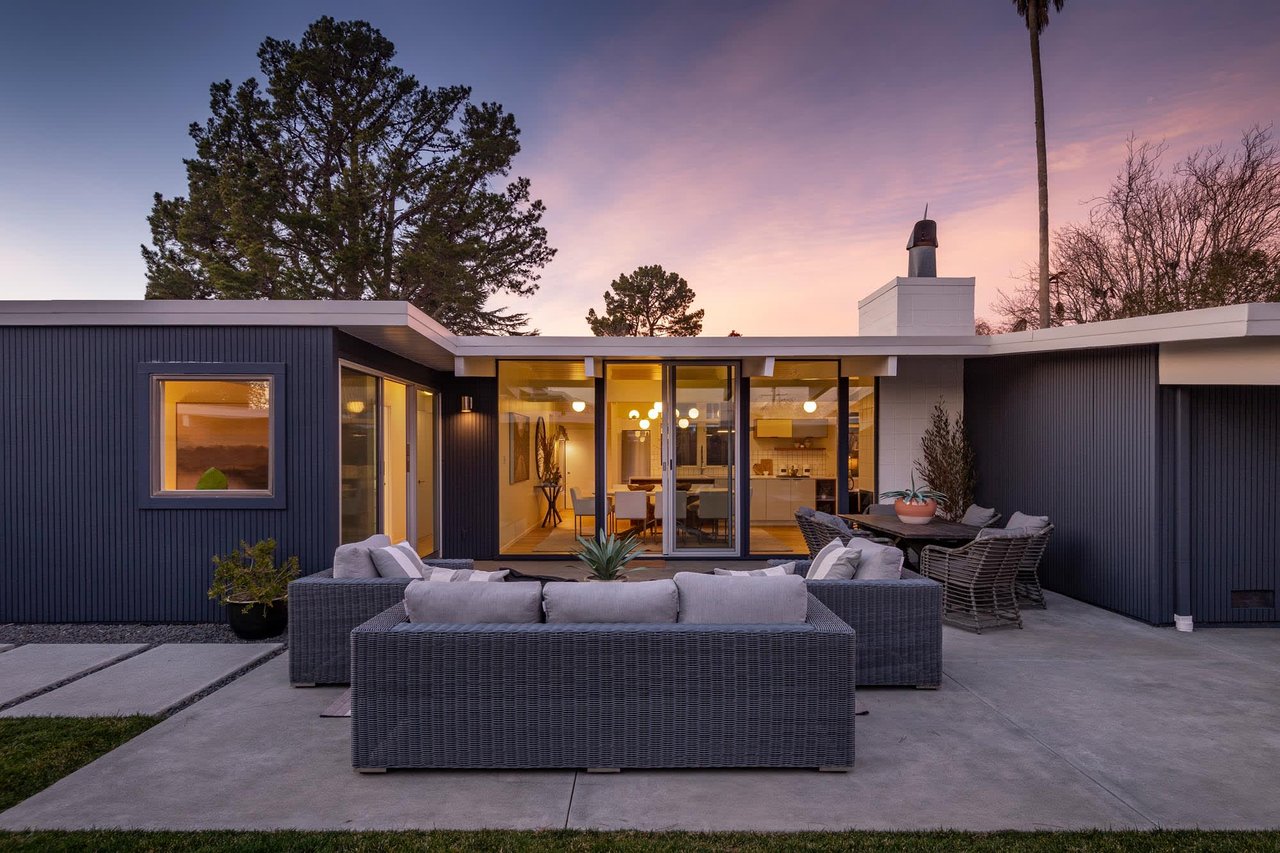
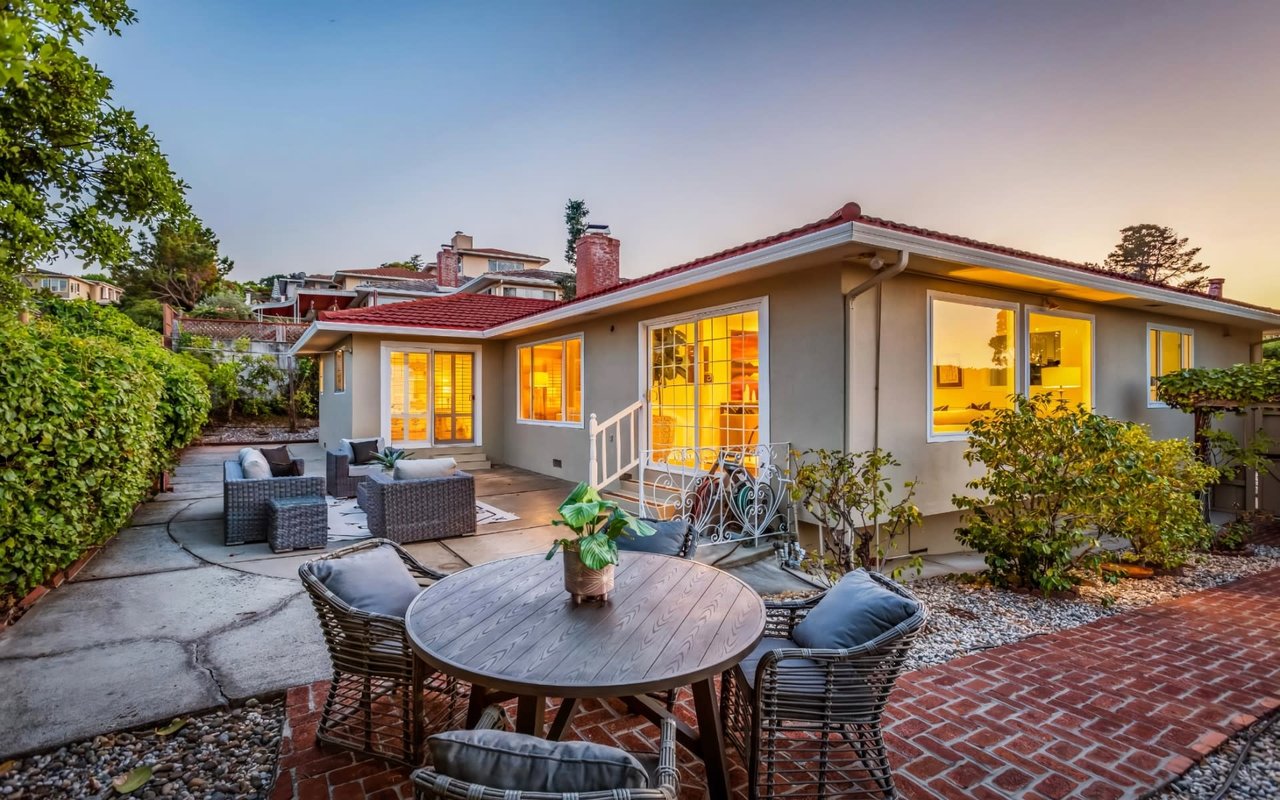
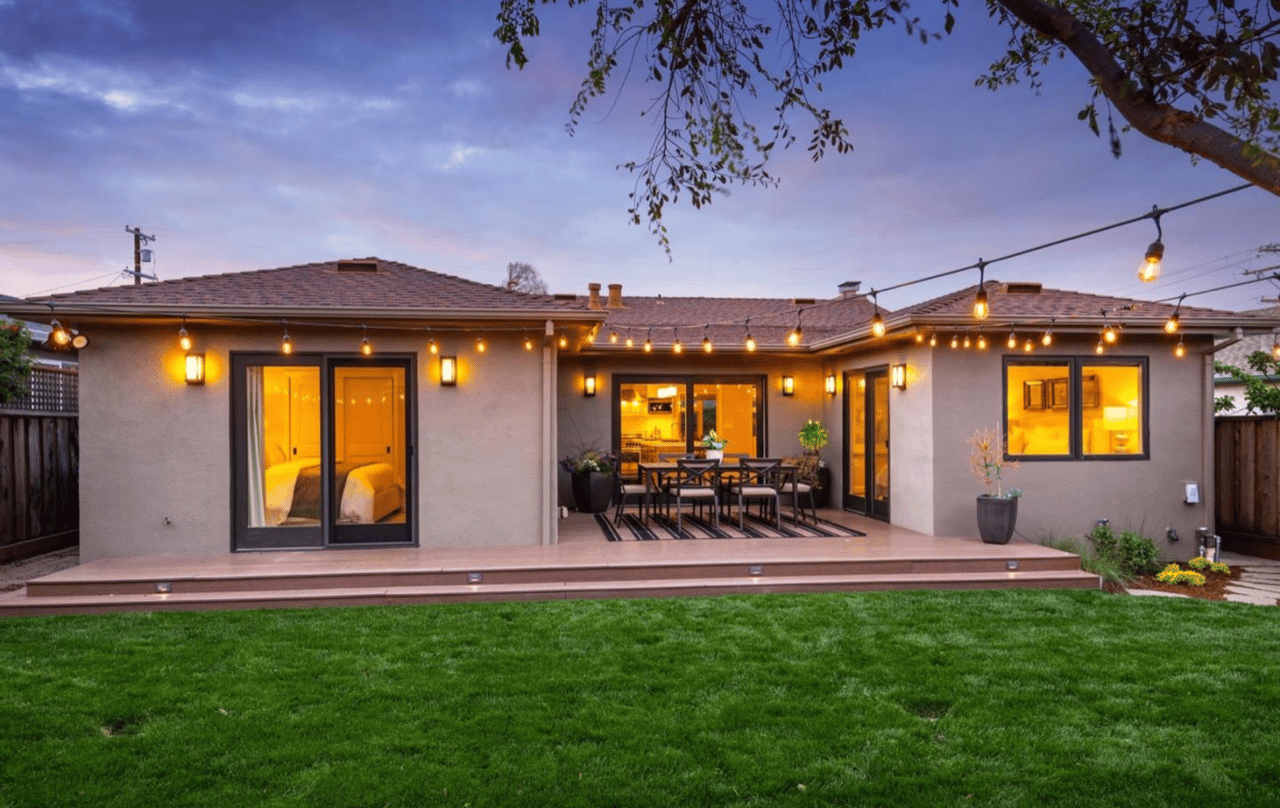
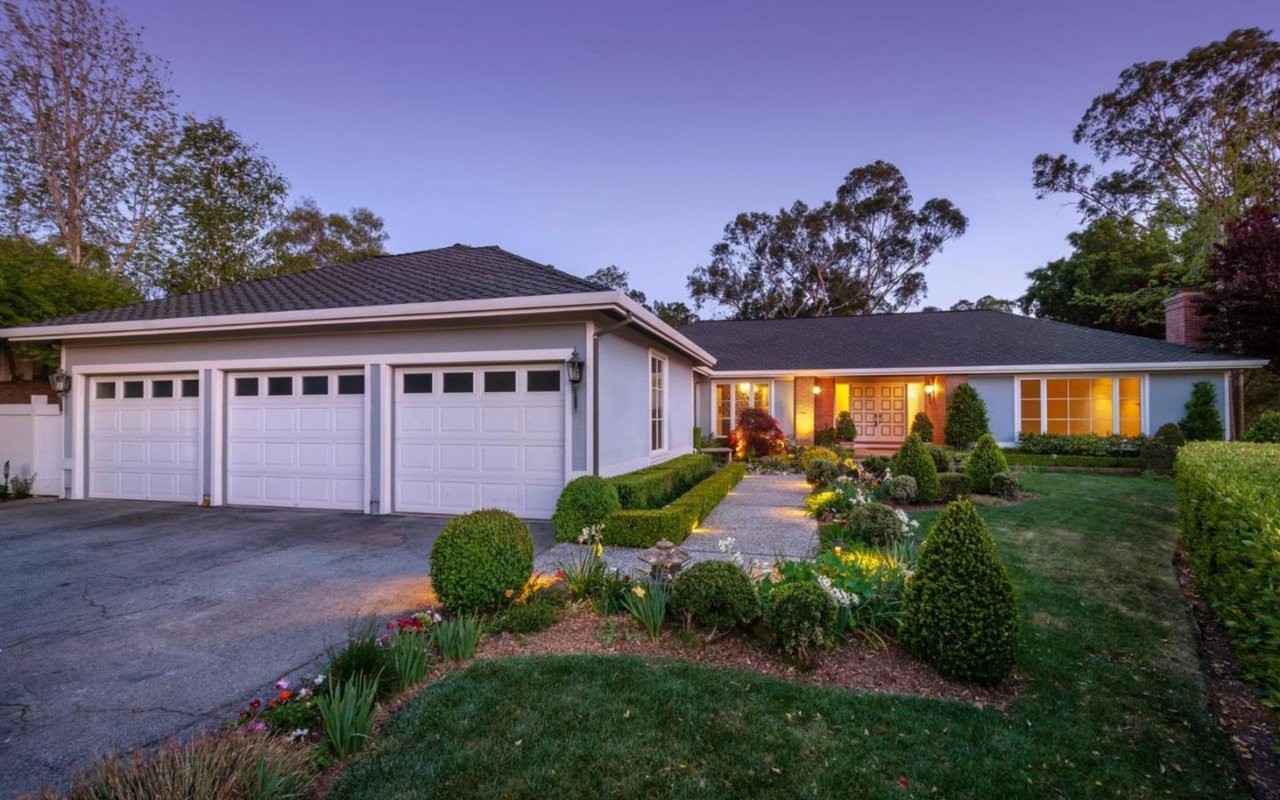
The postwar baseline is the California ranch—single-story, low-slung, L- or U-shaped, with sliding glass doors to the backyard—found across The Willows and parts of West Menlo. These are also the primary targets of the teardown trend, thanks to their usable lots.
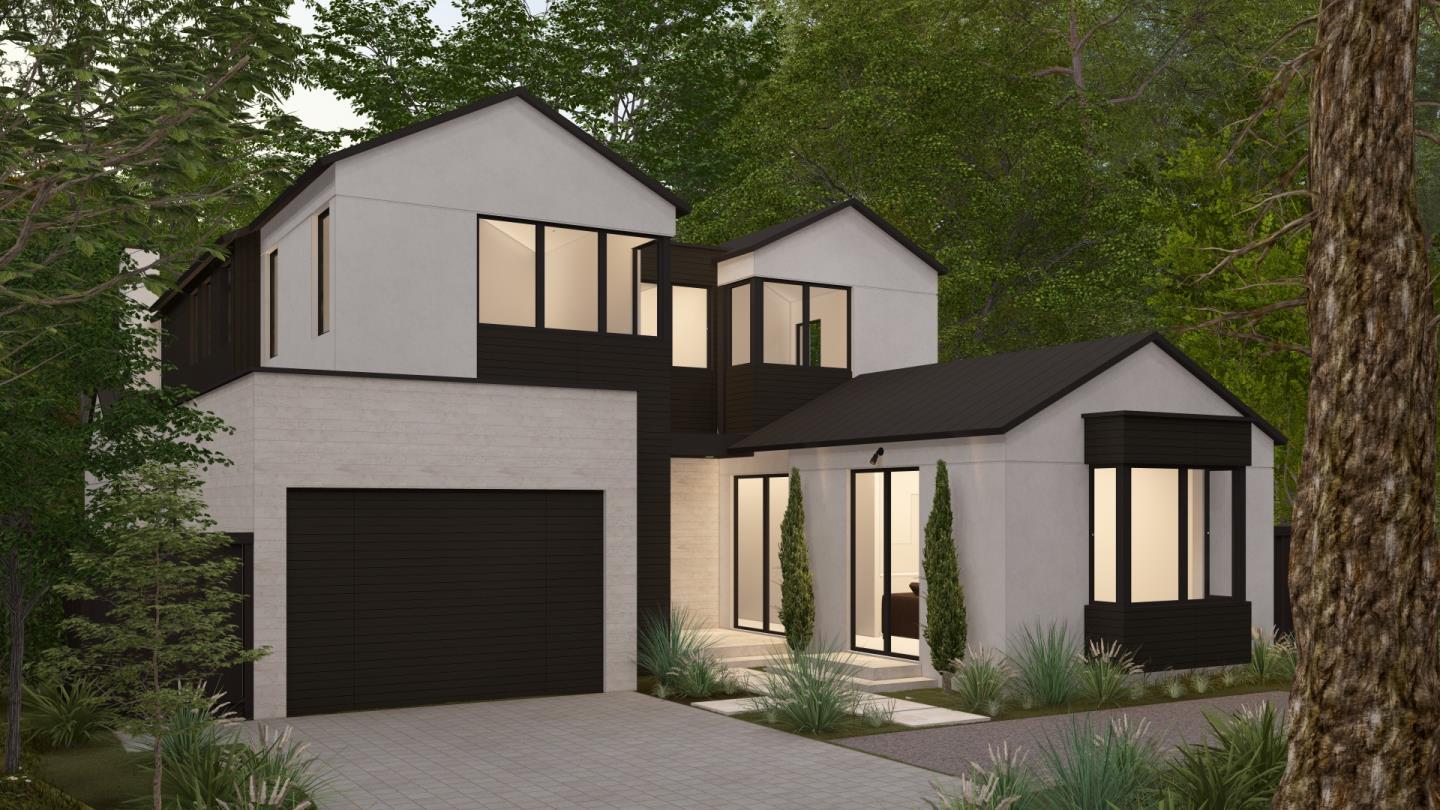
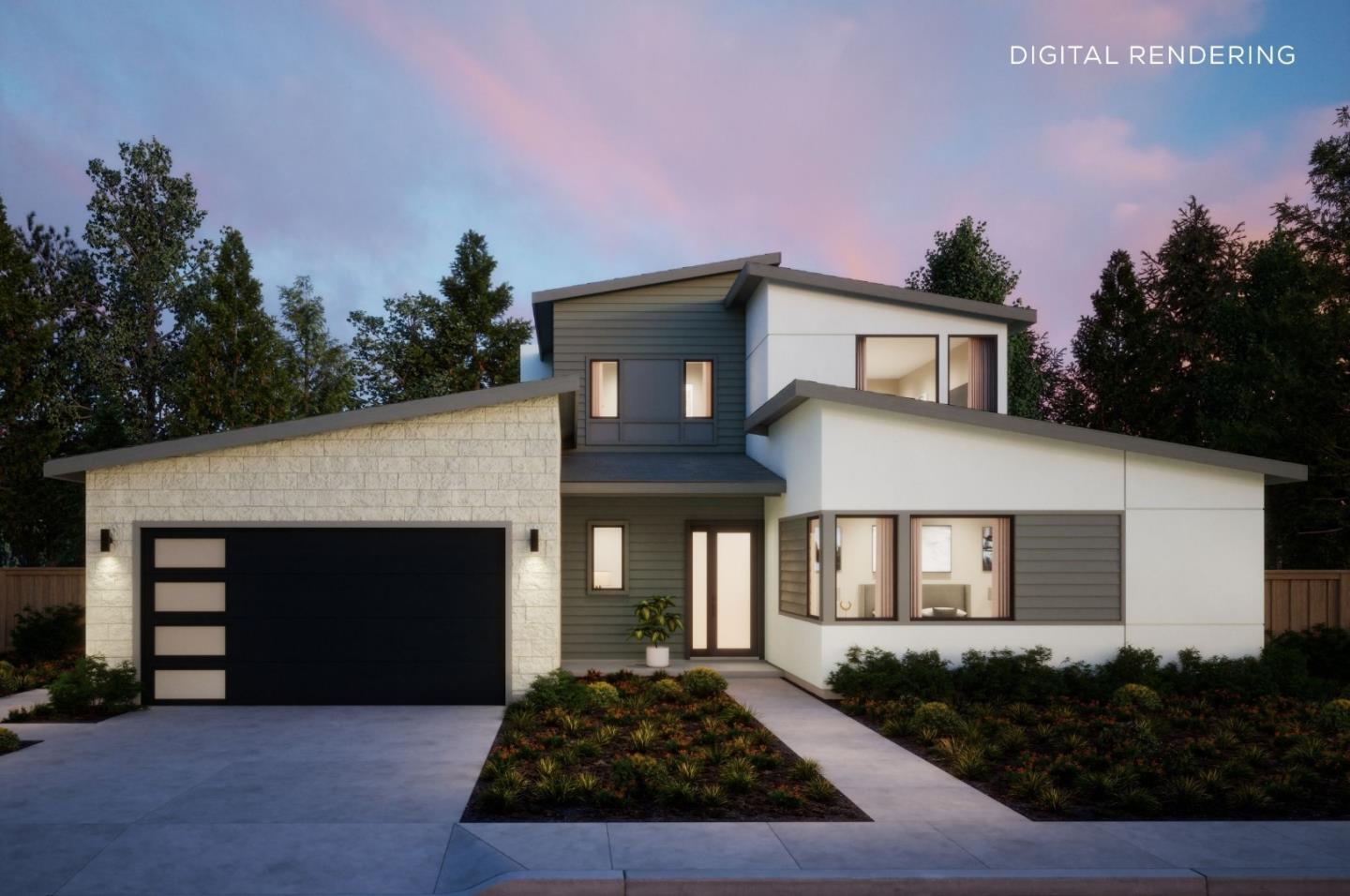
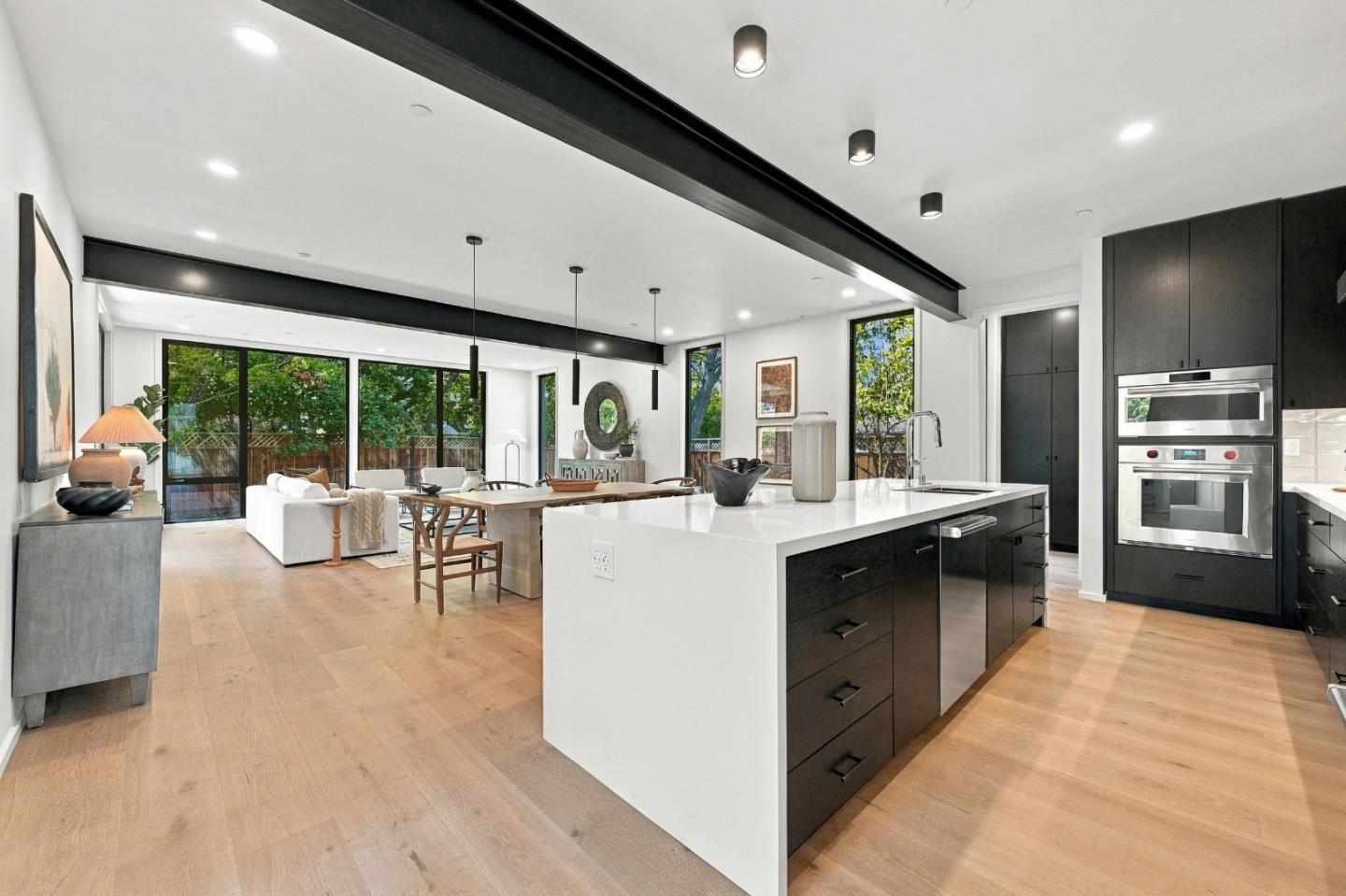
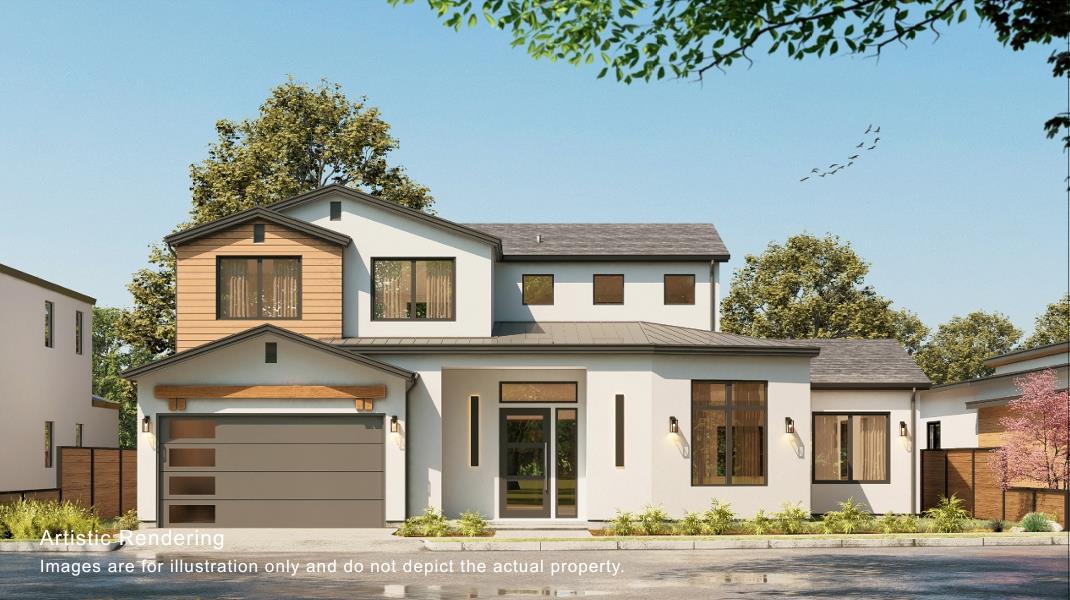
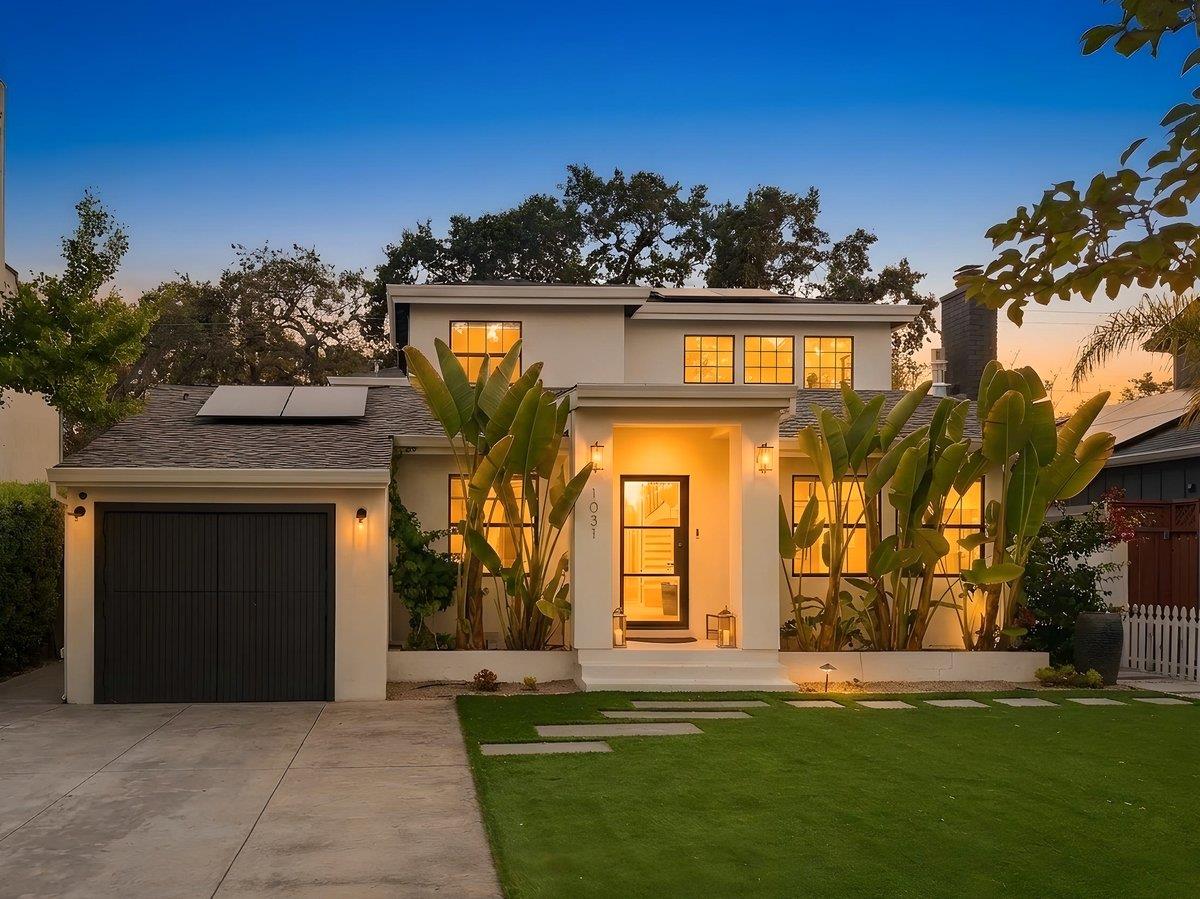
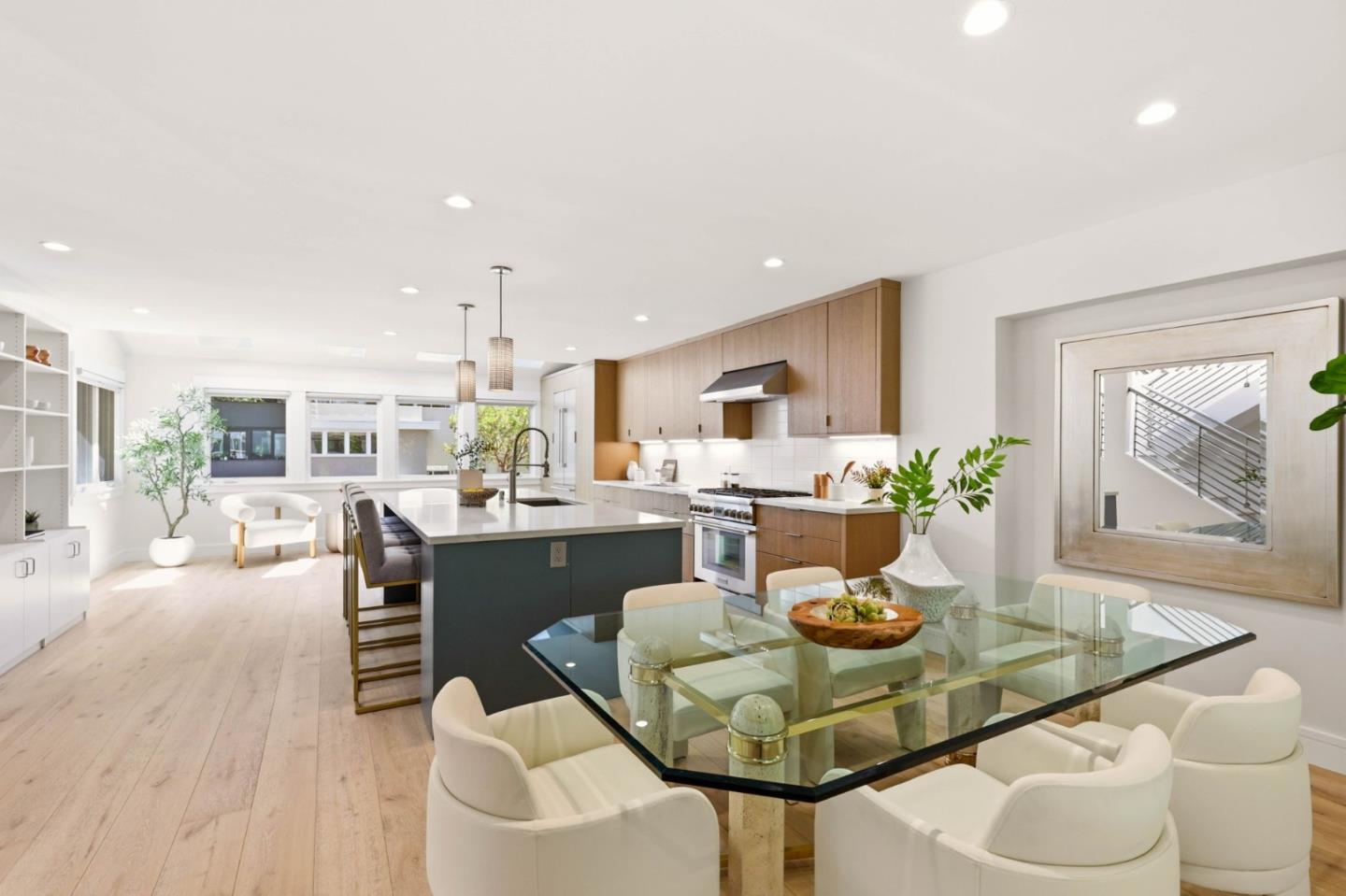
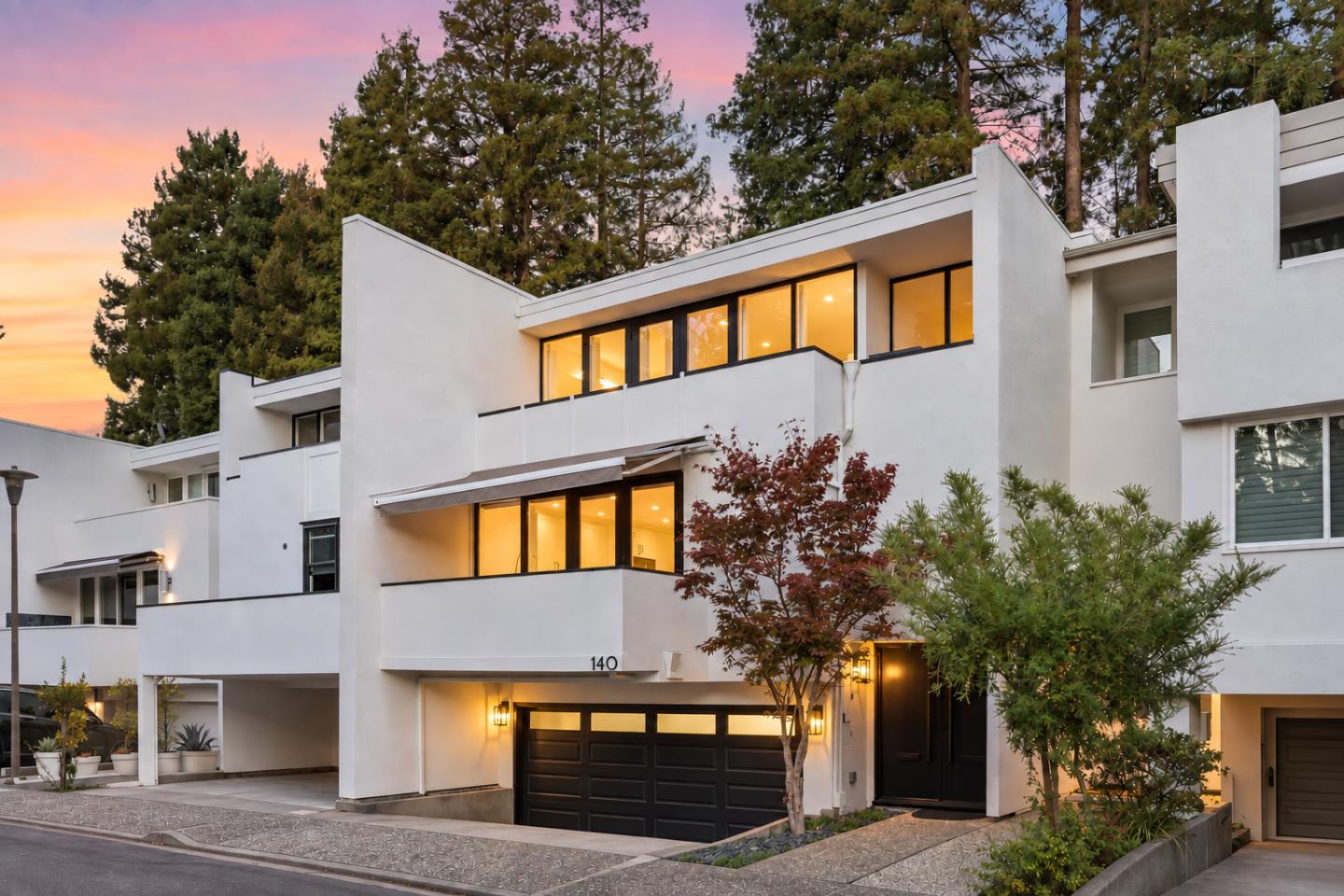
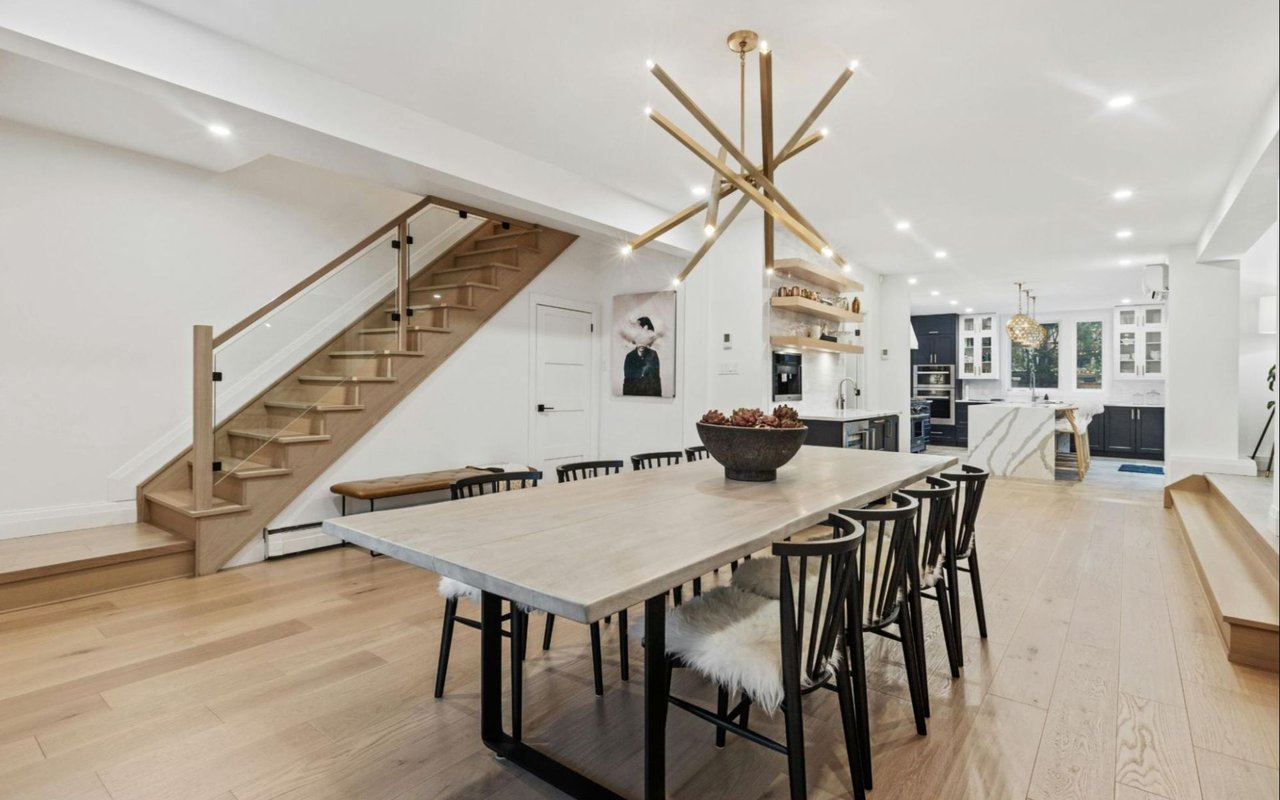
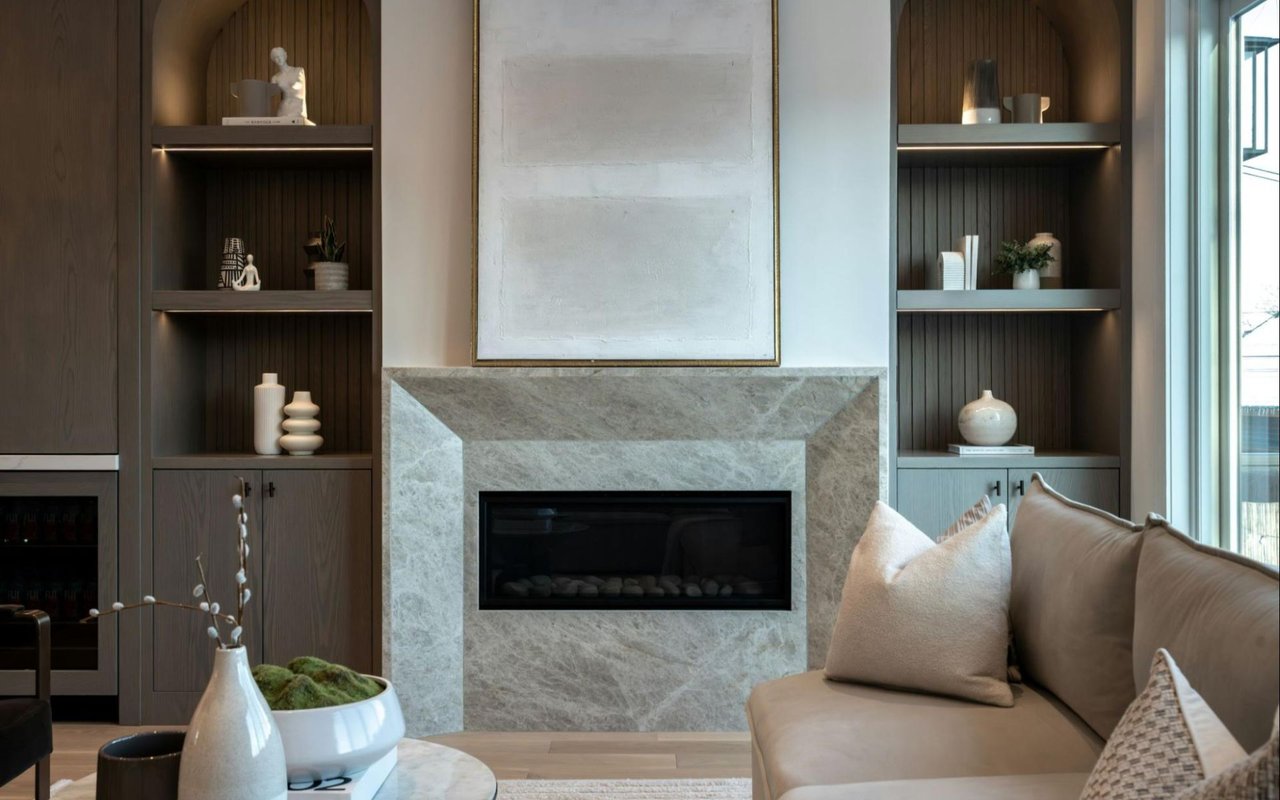
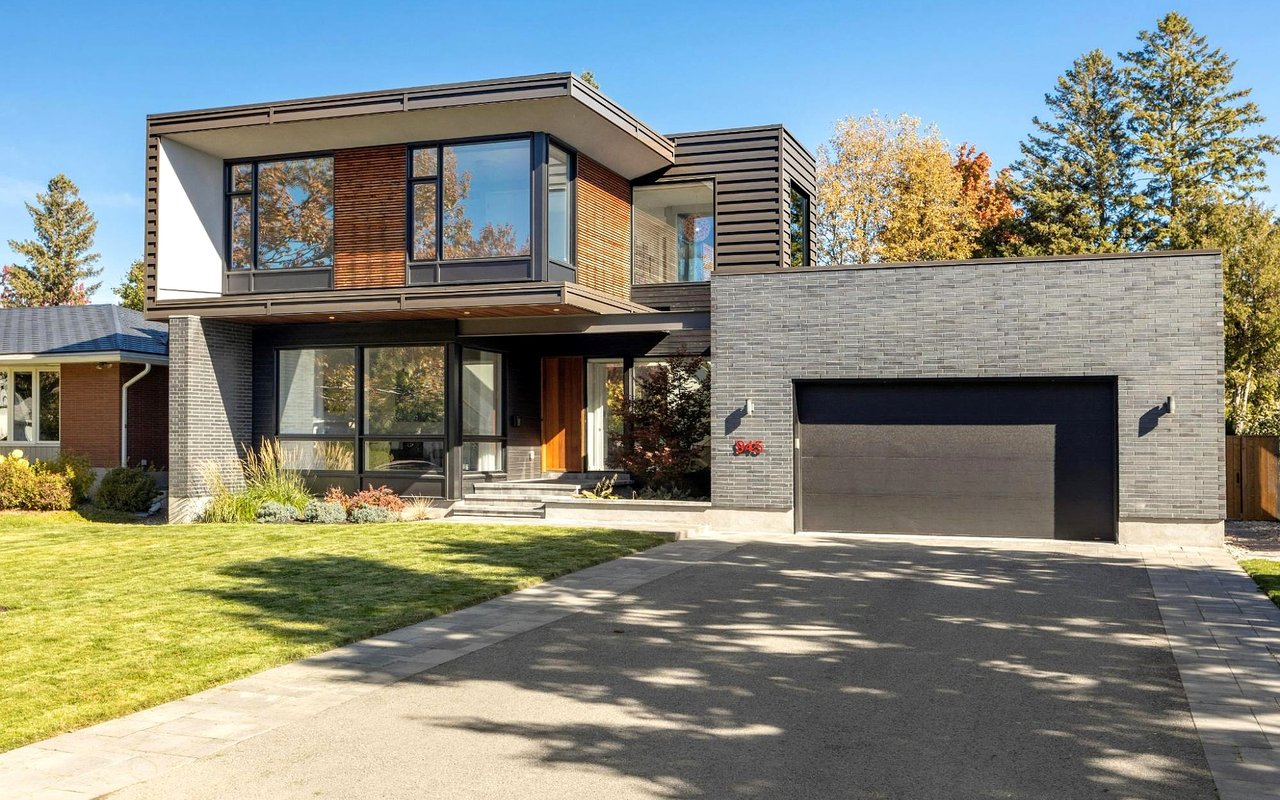
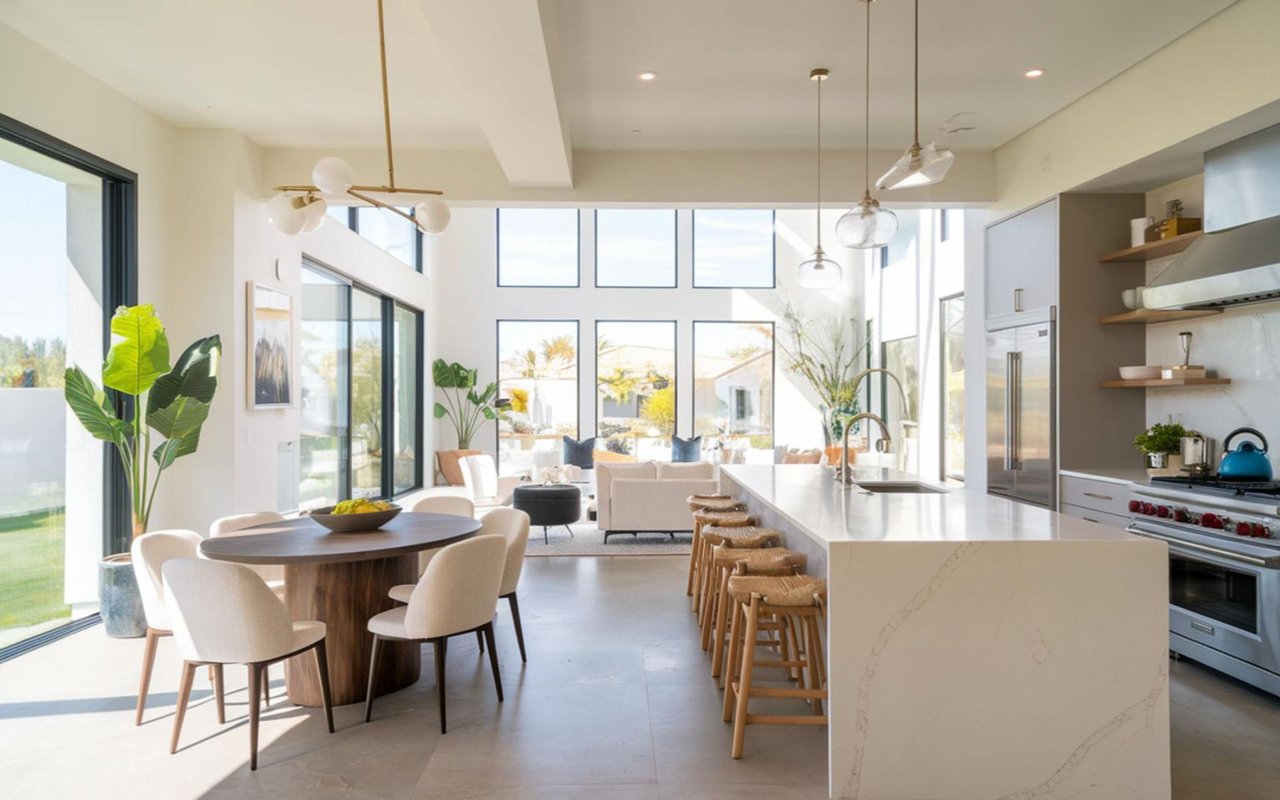
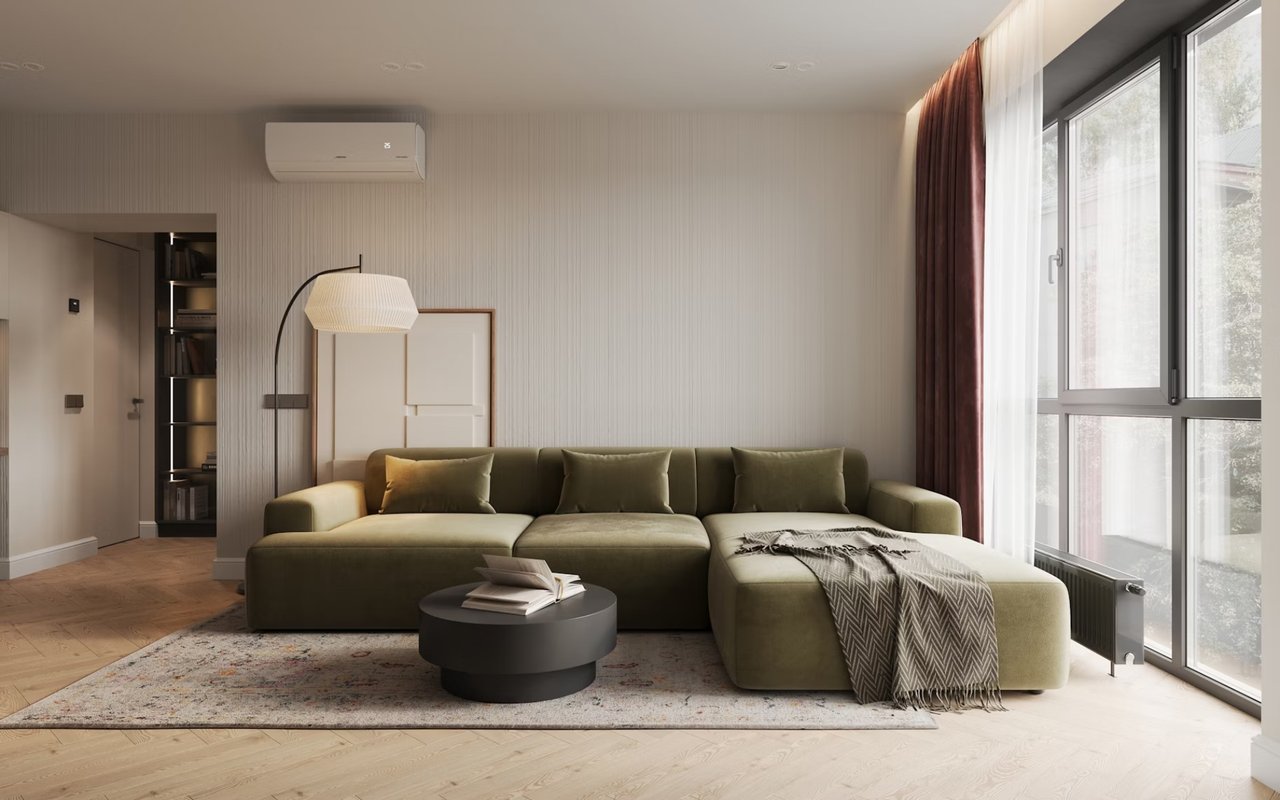
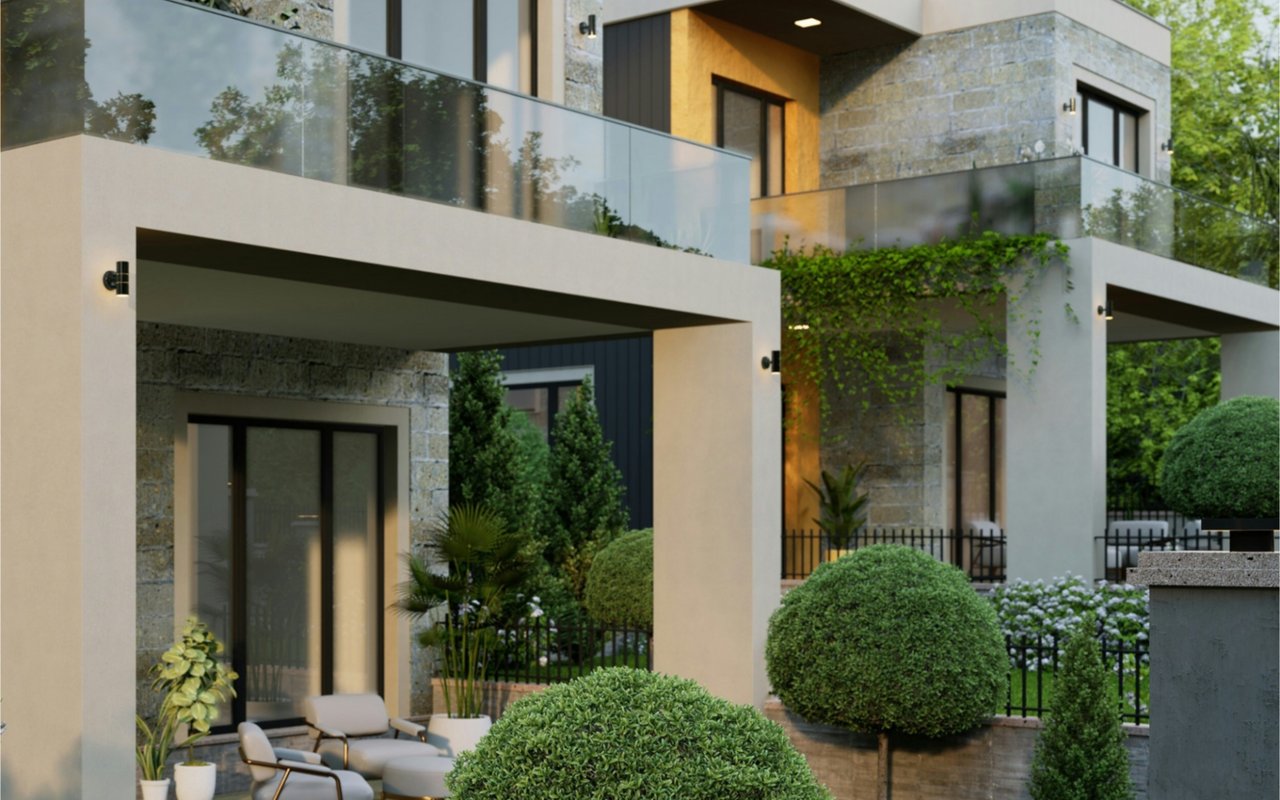
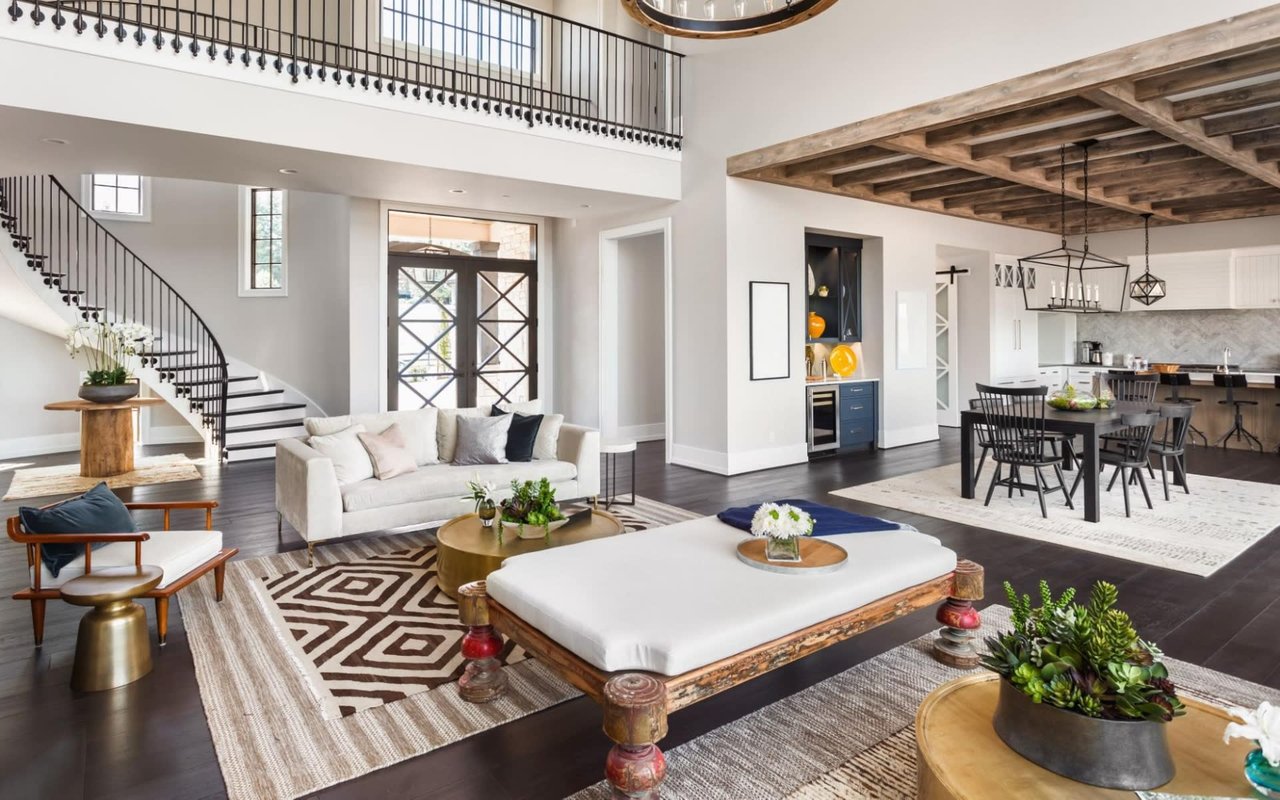
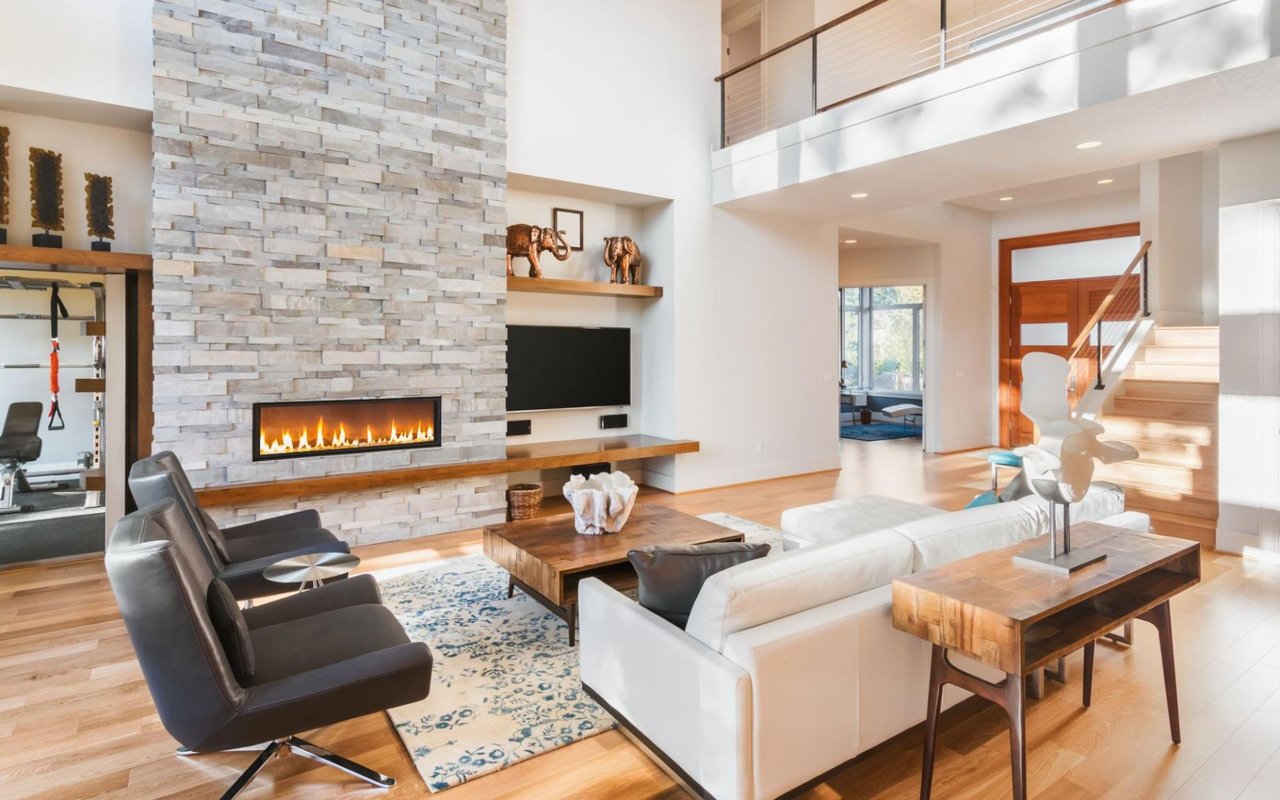
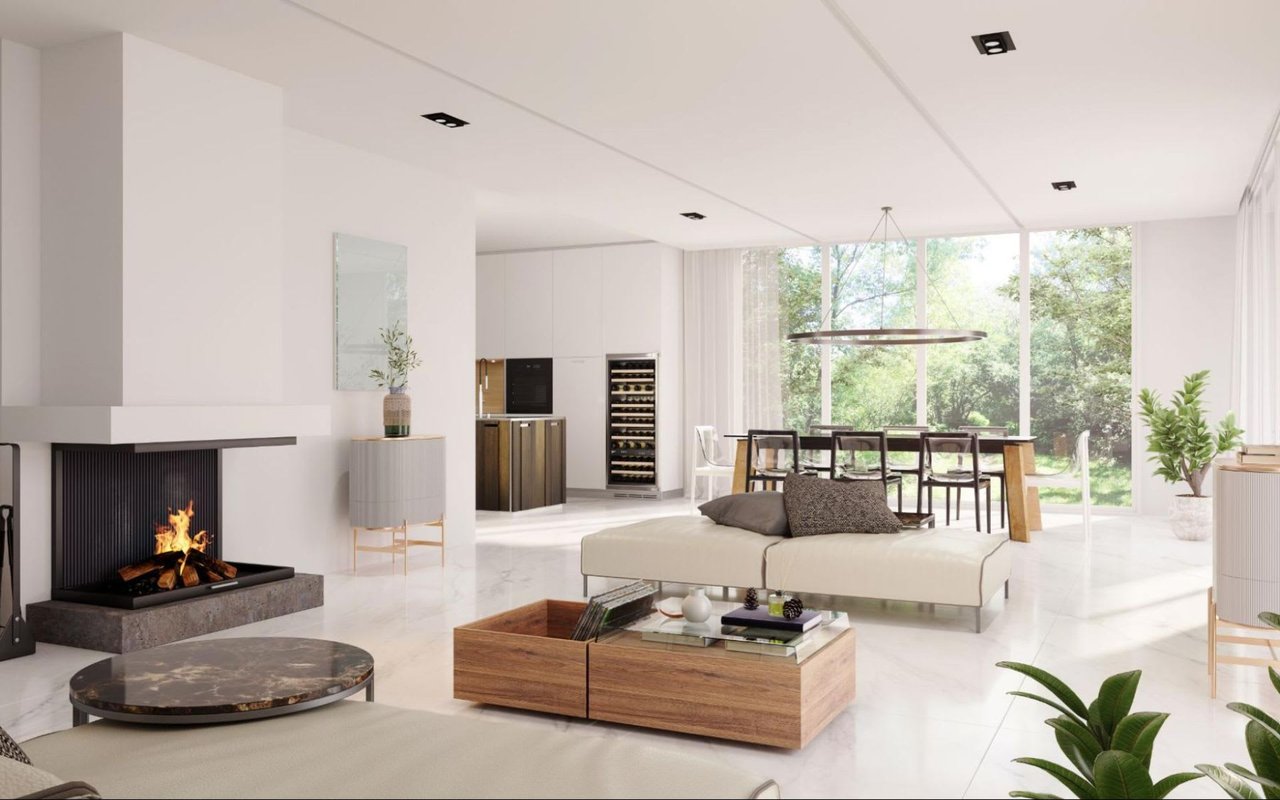
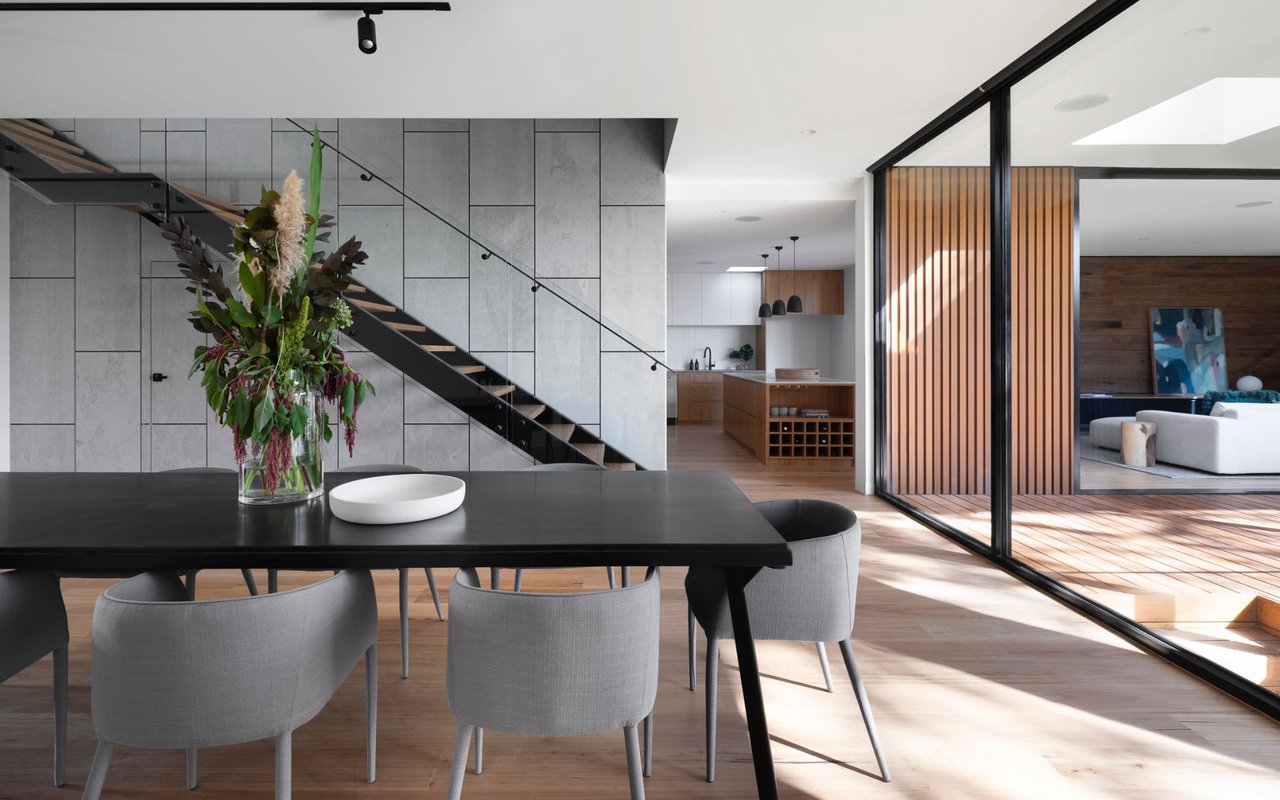
The newest layer is contemporary. The refined modern farmhouse has replaced the rustic version: elongated gabled forms, dark metal window frames, charred-wood siding. And on teardown lots in Menlo Oaks and Sharon Heights, pure contemporary homes are rising—indoor-outdoor floor plans, steel beams, board-formed concrete, radiant floors, and multi-panel glass walls that open entirely to minimalist gardens.
One practical note for buyers with renovation dreams: local preservation rules are strict. Any work affecting a structure older than 50 years, especially near downtown, triggers historical-resource and environmental review.
Menlo Park Walkability & Commute
Menlo Park pulls off a rare Bay Area balance—private and tree-lined, yet genuinely well-connected.
Don't be misled by the town's aggregate Walk Score of 43 ("car-dependent"); walkability here is intensely local. Neighborhoods like Linfield Oaks, Vintage Oaks, Allied Arts, and Downtown score exceptionally high, putting residents a 5-to-15-minute stroll from the boutiques, cafes, and grocers on Santa Cruz Avenue. Cycling is a legitimate everyday option too, with a Bike Score of 74, flat terrain, and dedicated lanes—including the Willow Road paths—that make riding to Stanford easy.
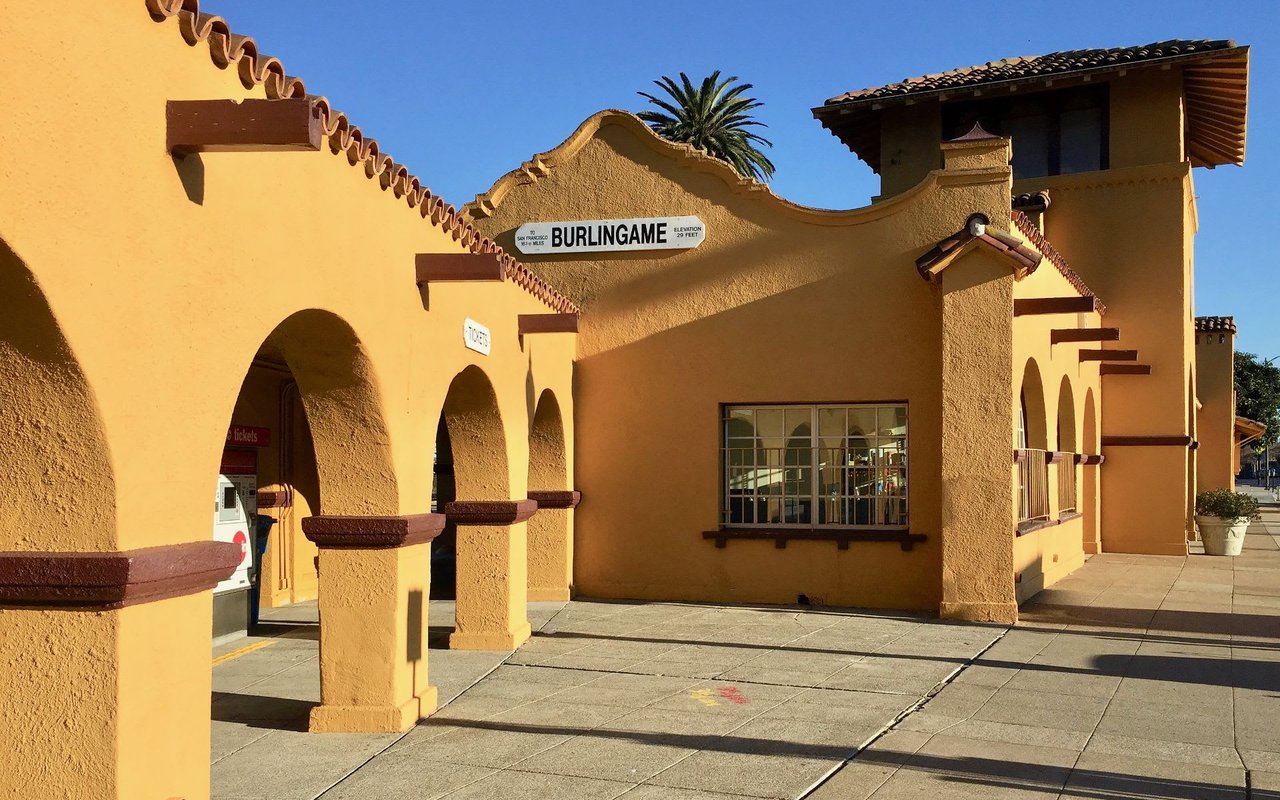
For regional transit, the Menlo Park Caltrain Station sits right downtown and anchors commutes up to San Francisco or down to San Jose. Central Menlo and Downtown residents are within steps of the platform, while outer enclaves like Felton Gables and The Willows are more car-oriented.
On employment, the location is hard to beat. Meta's headquarters sits on the town's edge in Belle Haven; Stanford University and its Medical Center border the southern edge; Sand Hill Road, the center of venture capital, runs through Sharon Heights; and drivers have Highway 101, Interstate 280, and the Dumbarton Bridge (Route 84) for reaching San Francisco, Silicon Valley, and the East Bay.
Menlo Park Schools
For families, school boundaries are frequently the deciding factor in a Menlo Park home search—and because assignments are strictly geographic, a house on one side of a street can carry a large premium purely for its district.
The town is served primarily by two elite K–8 districts feeding into one high school district:
- Menlo Park City School District (MPCSD) covers most of Menlo Park and parts of Atherton, and is regarded as one of California's premier public systems, consistently earning A+ ratings. Its neighborhood elementaries—Oak Knoll, Encinal, and Laurel—feed into Hillview Middle School, and community funding through the Menlo Park–Atherton Education Foundation is robust.
- Las Lomitas Elementary School District serves the westernmost tier, including Sharon Heights, and matches MPCSD's reputation. It's anchored by Las Lomitas Elementary and La Entrada Middle School, with excellent student-to-teacher ratios.
- Sequoia Union High School District takes graduates from both, with most attending Menlo-Atherton High School (M-A)—a diverse, highly rated school known for rigorous AP tracks and strong athletics.
One important caveat: the eastern section, primarily Belle Haven, falls into the Ravenswood City School District. Ravenswood is seeing meaningful investment and offers lower entry prices, but buyers set on MPCSD or Las Lomitas should verify exact boundary maps before writing an offer, since the lines don't always follow intuition.
Parks & Outdoor Space in Menlo Park
For a town in a dense economic corridor, Menlo Park keeps a genuinely park-like feel. Burgess Park, at the downtown Civic Center, is the community hub—sports fields, a duck pond, a skate park, and the Burgess Pool and Arrillaga gymnasium—while Nealon Park in West Menlo is the local favorite for its all-abilities playground, tennis courts, and dog park.
The natural side is just as strong. Bedwell Bayfront Park is a 160-acre preserve on the Bay with a flat 2.3-mile loop and sweeping views of the wildlife refuge, and the San Francisco Bay Trail / Ravenswood Open Space offers easy shell-path walks through salt marsh that are ideal for bird watching. For a real workout, residents cross into Stanford land for the iconic Dish Loop, a 4.5-mile hilly trail with Peninsula-wide views.
Dining & Nightlife in Menlo Park
The social scene here is a fair read on the town itself: refined, family-oriented, and built around networking rather than late nights. There's no 2 a.m. club culture—entertainment centers on upscale unwinding and vibrant weekend brunches.
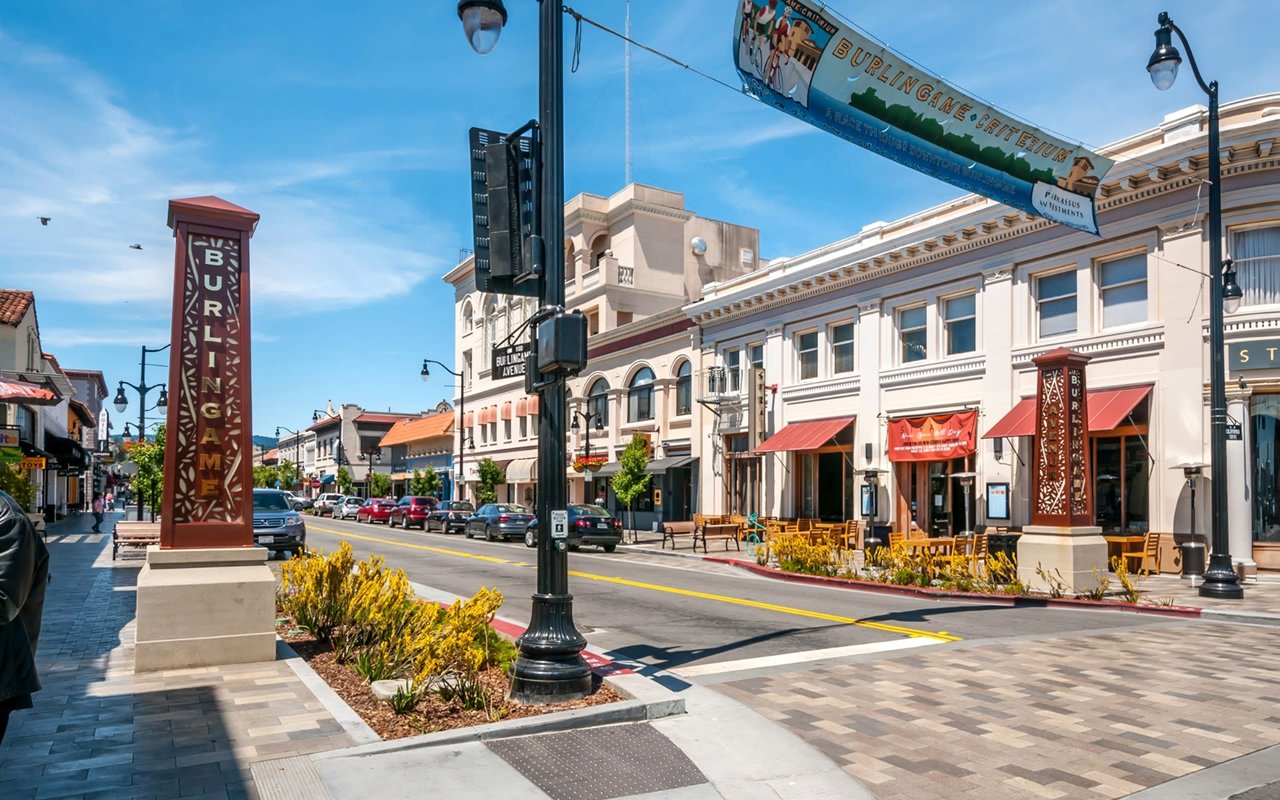
The heart of it is Santa Cruz Avenue, a walkable stretch of sidewalk bistros, high-end Italian spots, and artisan coffee houses that functions as the town's living room. On weeknights, cocktail lounges and wine bars near Sand Hill Road fill with founders and venture capitalists closing deals; on weekends, third-wave espresso bars and farm-to-table cafes draw families and cyclists fresh off a morning loop. When residents want more range, they lean on neighboring Palo Alto and the Stanford Shopping Center to the south for Michelin-level dining, while Atherton to the north keeps things purely residential.
Menlo Park Property Taxes
At these price levels, the tax bill alone can rival a full salary elsewhere, so it belongs in any honest affordability calculation.
Like all of California, Menlo Park operates under Proposition 13: your base rate is capped at 1% of assessed value at purchase, and that assessment can rise no more than 2% per year while you own the home. The catch is that buying resets the clock—purchase a home for $3.5M and your tax base instantly becomes $3.5M, regardless of what the prior owner was paying.
Voter-approved local bonds (largely for the top-tier school districts and infrastructure) push the effective rate above the 1% base. The median effective rate sits around 1.22%, typically ranging from 1.10% to 1.41% by tax code area. On a $3.5M purchase, that works out to roughly $42,700 per year. One thing to check on your preliminary title report: Mello-Roos or parcel taxes, which are fixed annual fees tacked onto some newer or heavily modernized developments independent of the home's value.
Talk to a Menlo Park Real Estate Expert
Winning in a market this fast and this analytical comes down to local knowledge you can't get from a listing site—knowing which side of a boundary line to buy on, how to read a disclosure packet before offer day, and exactly how to price a home so it draws a crowd rather than sits. That's the kind of guidance the Sternsmith Group has built its reputation on.
Led by founding partner Casey Sternsmith (CA DRE# 01733080), the team has spent years as one of San Mateo County's top-performing groups, with members who have lived and worked across the Peninsula for decades and stay genuinely involved in the community. Whether you're preparing to sell and want a pricing strategy built for this market, or you're a buyer who needs to move quickly and confidently, they'll walk you through every step with the market insight and negotiation experience Menlo Park demands. When you're ready to talk through your goals—or just want a straight answer about what your home is worth today—reach out to the Sternsmith Group and start the conversation.