From Tender Offer to Turnkey: Where San Mateo County Fits in an AI Windfall Diversification Strategy
An estimated $14 billion has moved from OpenAI and Anthropic into employees' pockets through private share sales over the past five years, with the pace accelerating sharply in just the last year. OpenAI's October secondary alone put $6.6 billion into more than 600 current and former employees' hands, some cashing out the maximum $30 million allowed. Anthropic's April tender, priced at a $350 billion valuation, moved billions more. Both companies have confidentially filed for IPOs, which means this liquidity — real, wired, spendable liquidity — is arriving well before either company rings a bell on any exchange.
If you're one of these employees, the question isn't whether you have money now. It's what you do with a number you've never had to manage before. This is the piece of that conversation where real estate fits in.
Why concentration is the actual risk, not the market
Most of the AI employees we talk to have the bulk of their net worth in one place: the company they work for. That's true whether the shares are sold or unsold — a large cash position sitting in the same bank as your paycheck, or unsold equity still tied to your employer's stock price, is still concentration risk. Diversifying doesn't necessarily mean distrusting the company you work for. It means not needing that one company to keep performing in order for your entire financial picture to hold up.
Real estate is one of the more straightforward ways to move a portion of a windfall out of a single concentrated position and into an asset class that behaves differently — it doesn't move with tech valuations day to day, it doesn't require you to time an exit, and depending on the property, it can produce income or serve as a primary residence while it appreciates.
Is Bay Area real estate still worth it at these prices?
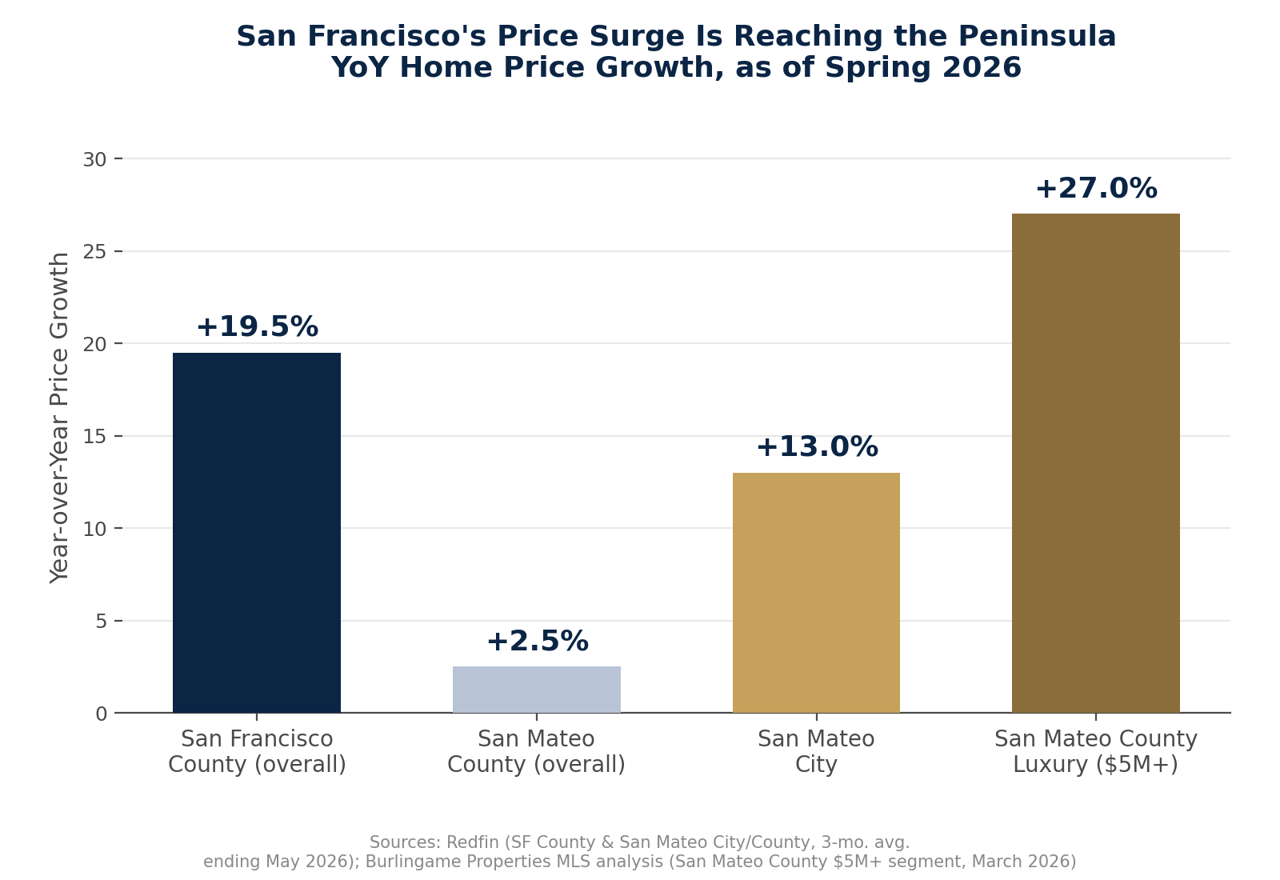
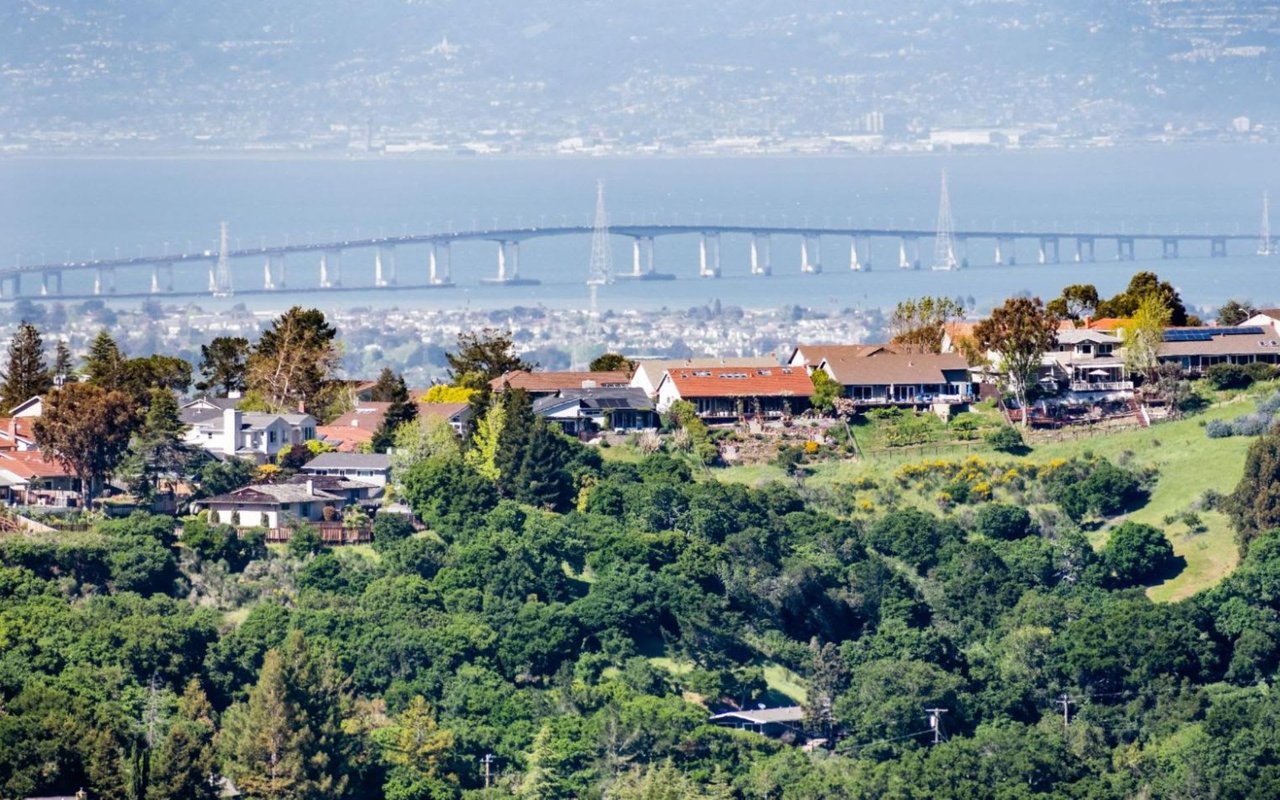
This is the question we get asked most directly, and it deserves a direct answer: it depends heavily on where and how you buy, and the market has shifted meaningfully in your favor over the last few months. Belmont's active inventory nearly tripled this spring, and the share of homes closing over asking price dropped from roughly 79% to about 50%. That's not a crash — it's a rebalancing after several years of extremely tight conditions, and it means buyers with real capital right now have leverage they didn't have in 2023 or 2024.
Longer term, the data backs up staying local rather than diversifying away from the Bay Area entirely. Our analysis of five years of Burlingame MLS data — 936 transactions — showed median home prices were essentially immune to rising interest rates over that period, even as transaction volume dropped sharply. Prices held while activity slowed. That's a meaningfully different signal than a market where both price and volume decline together.
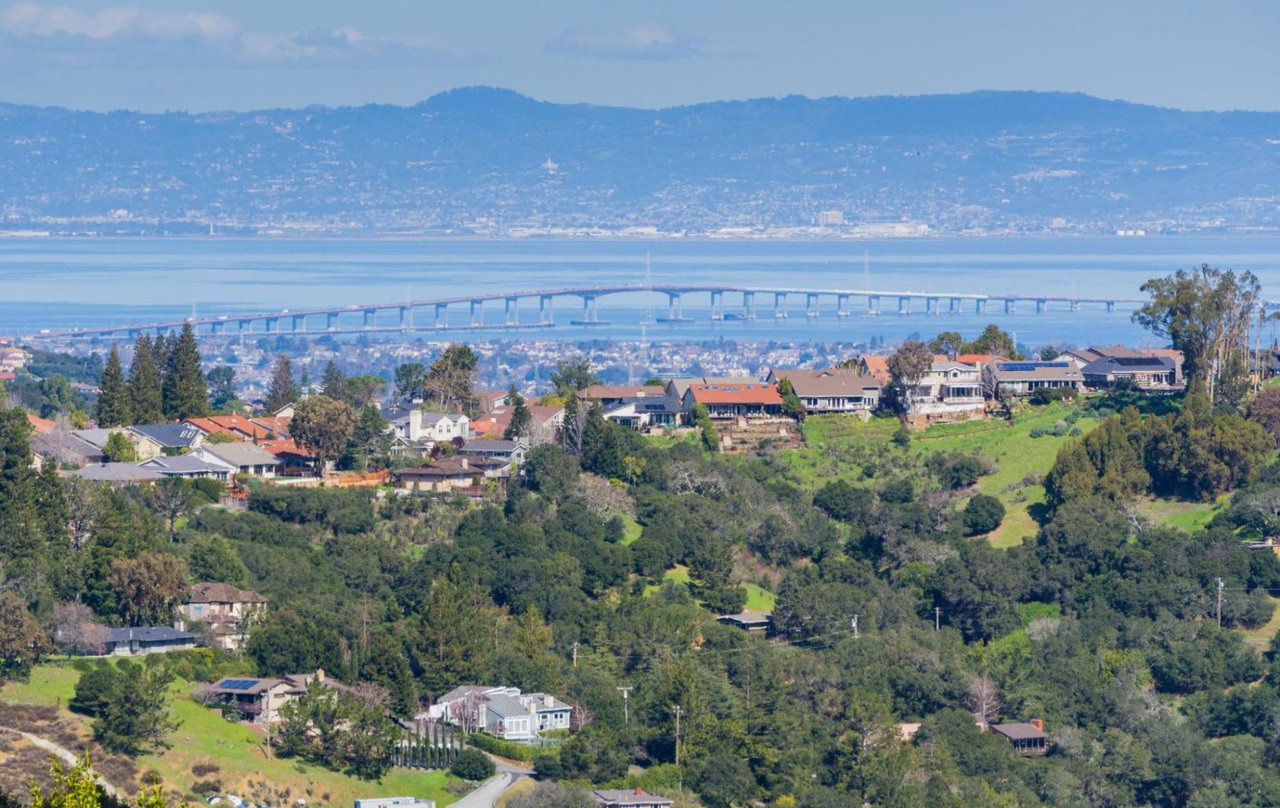
Where in San Mateo County, specifically
For AI employees weighing where to put down roots, the calculus usually comes down to commute pattern and lifestyle priority, since both OpenAI and Anthropic are based in San Francisco:
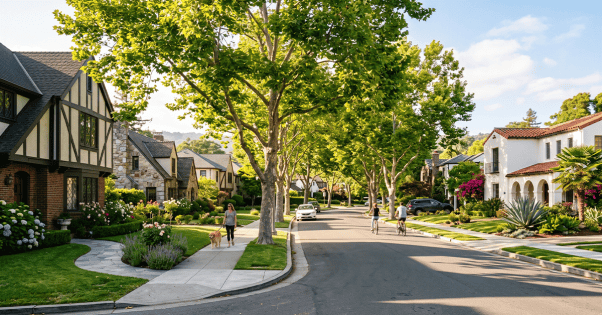
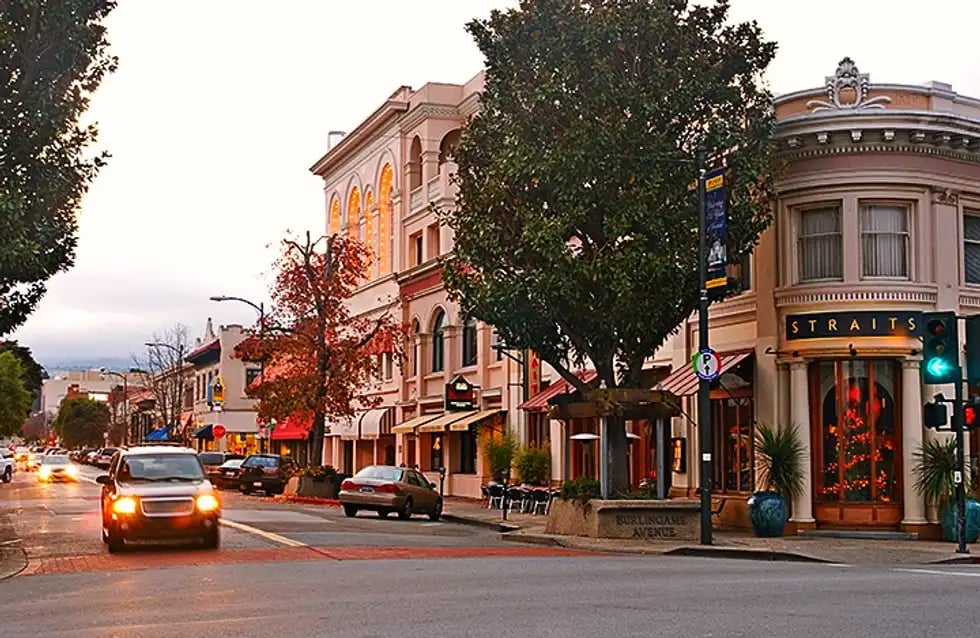
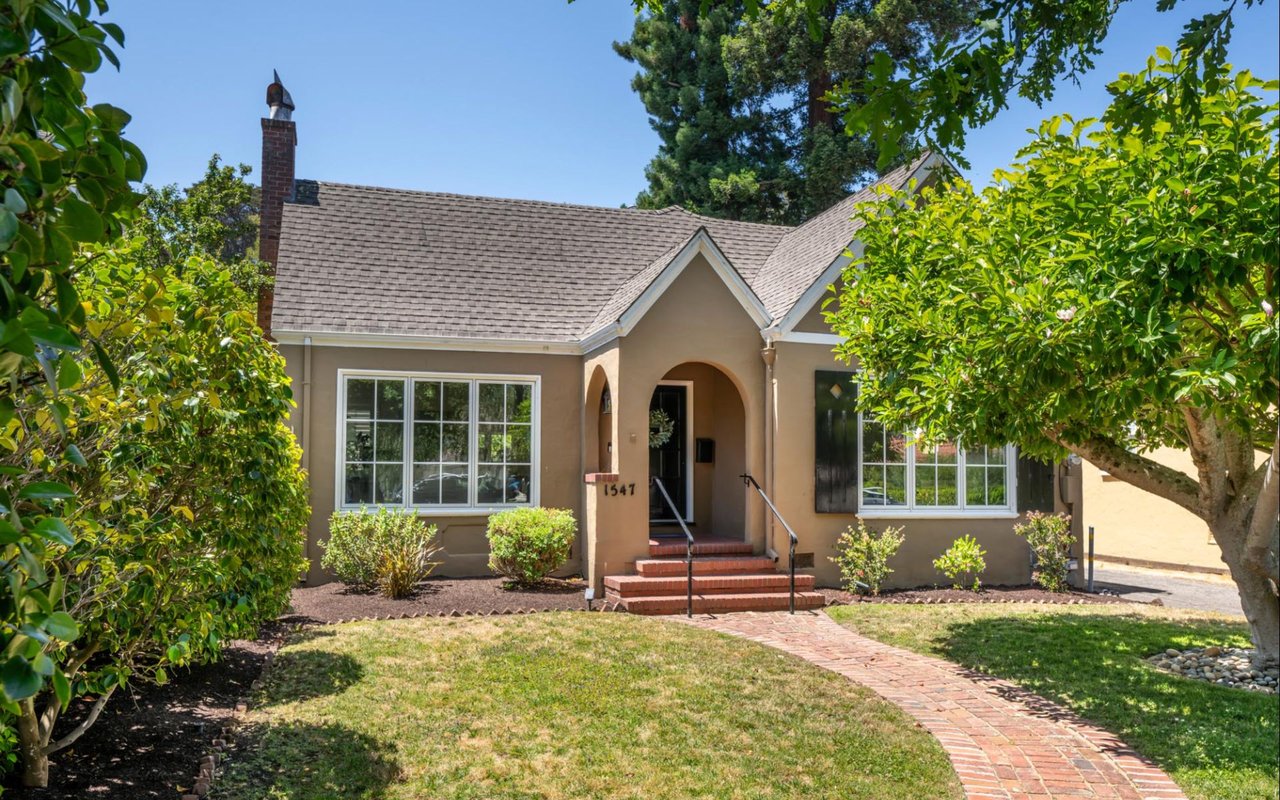
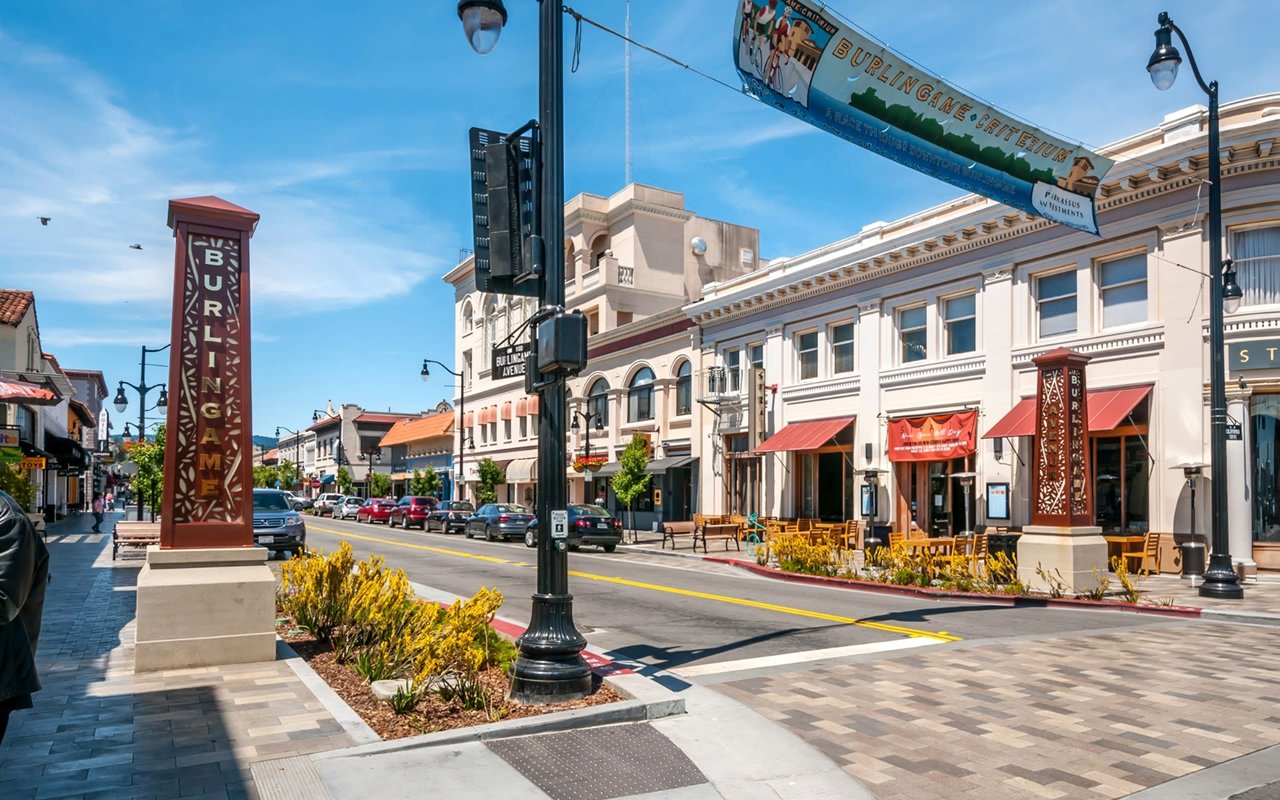
Burlingame and San Mateo offer the most direct Caltrain access into the city, along with walkable downtowns — a fit for employees who want proximity without sacrificing a suburban, family-oriented feel.
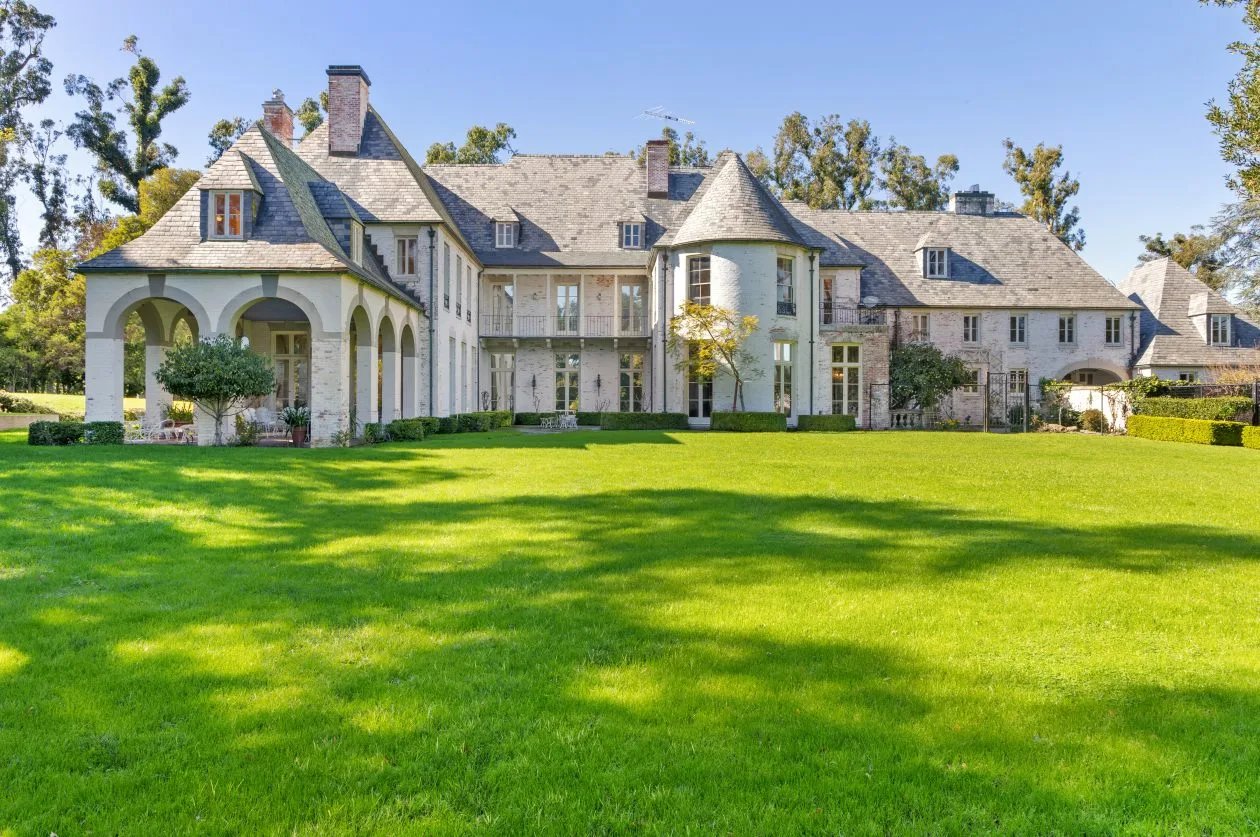
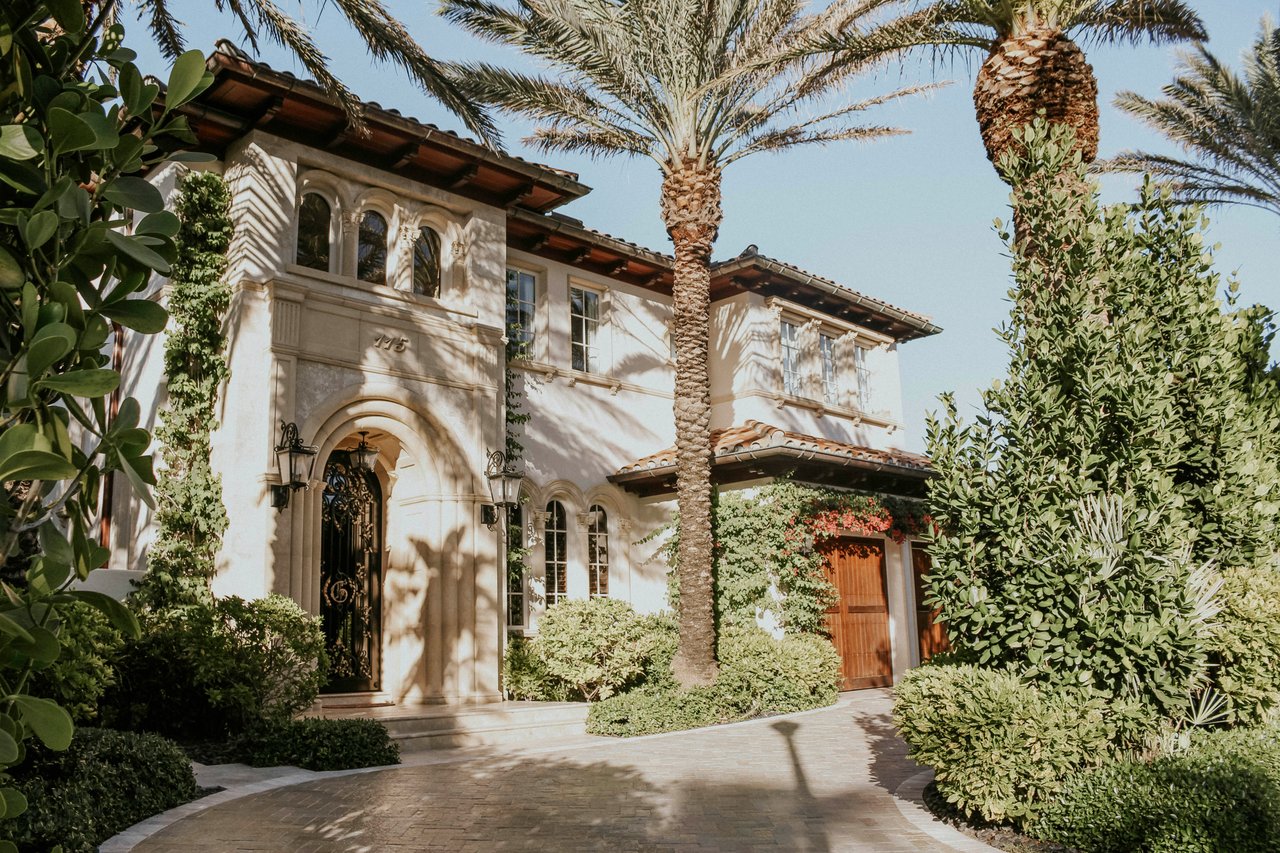
Hillsborough is the estate-lot, privacy-first option for buyers deploying larger sums and prioritizing land and discretion over walkability.
Redwood Shores and Belmont tend to draw employees balancing a shorter 101 commute with newer construction and access to the water.
San Carlos rounds out the group as a slightly more accessible entry point into the same school districts and commute corridor, without the premium of Burlingame or Hillsborough pricing.
What we'd actually tell you
There's no universal right allocation of a windfall between staying liquid, investing in the market, and buying real estate — that's a conversation for your wealth advisor, and we'd encourage you to have it before you fall in love with a specific house. What we can tell you, from tracking this market closely, is that San Mateo County has historically rewarded buyers who treated a home purchase as a long-term hold rather than a market-timing bet, and that the current inventory shift makes this a more buyer-favorable window than we've seen in several years.
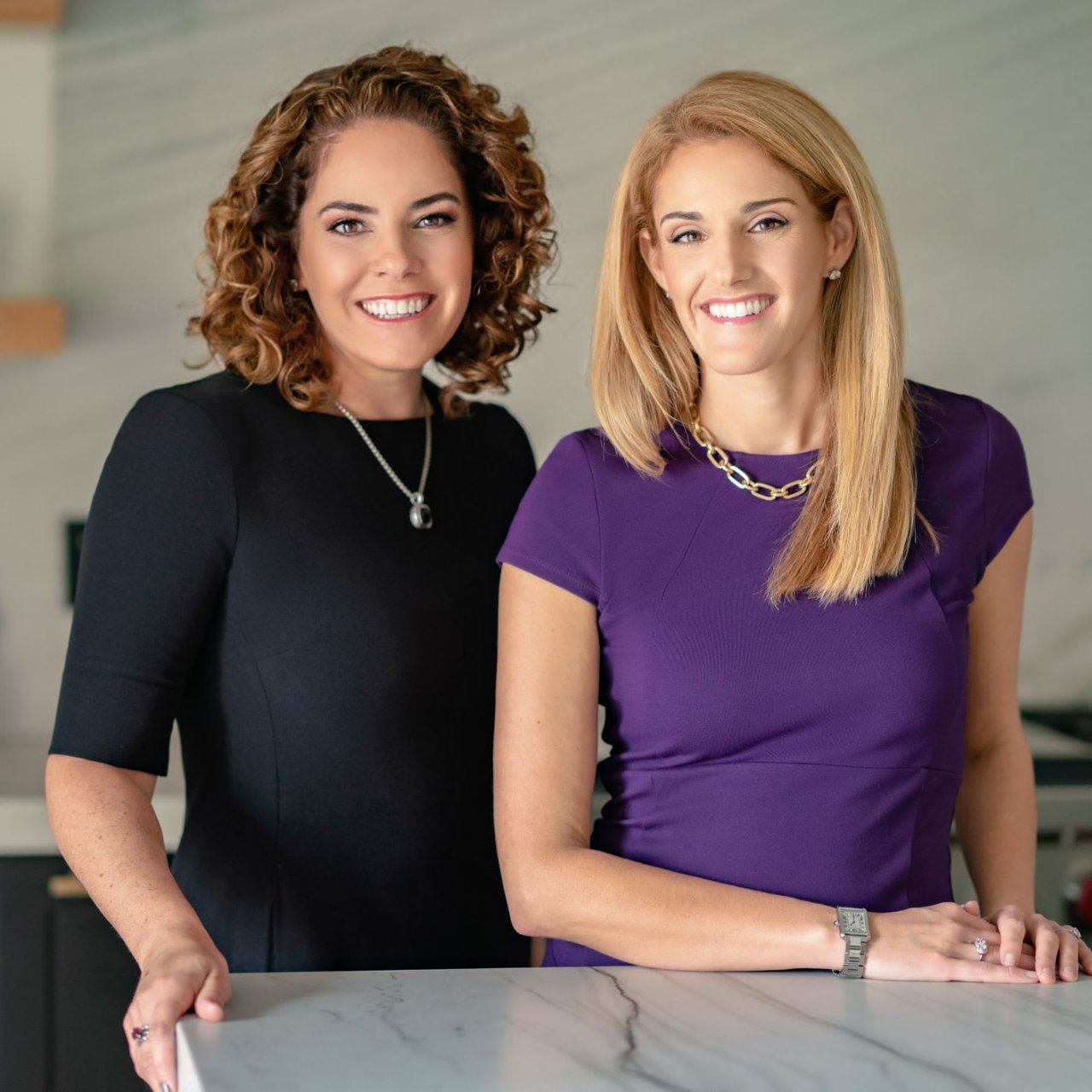
If you're sitting on proceeds from a recent AI-sector liquidity event and want to talk through how real estate fits into the bigger picture, reach out to Casey Sternsmith at [email protected] or 650-678-5455.