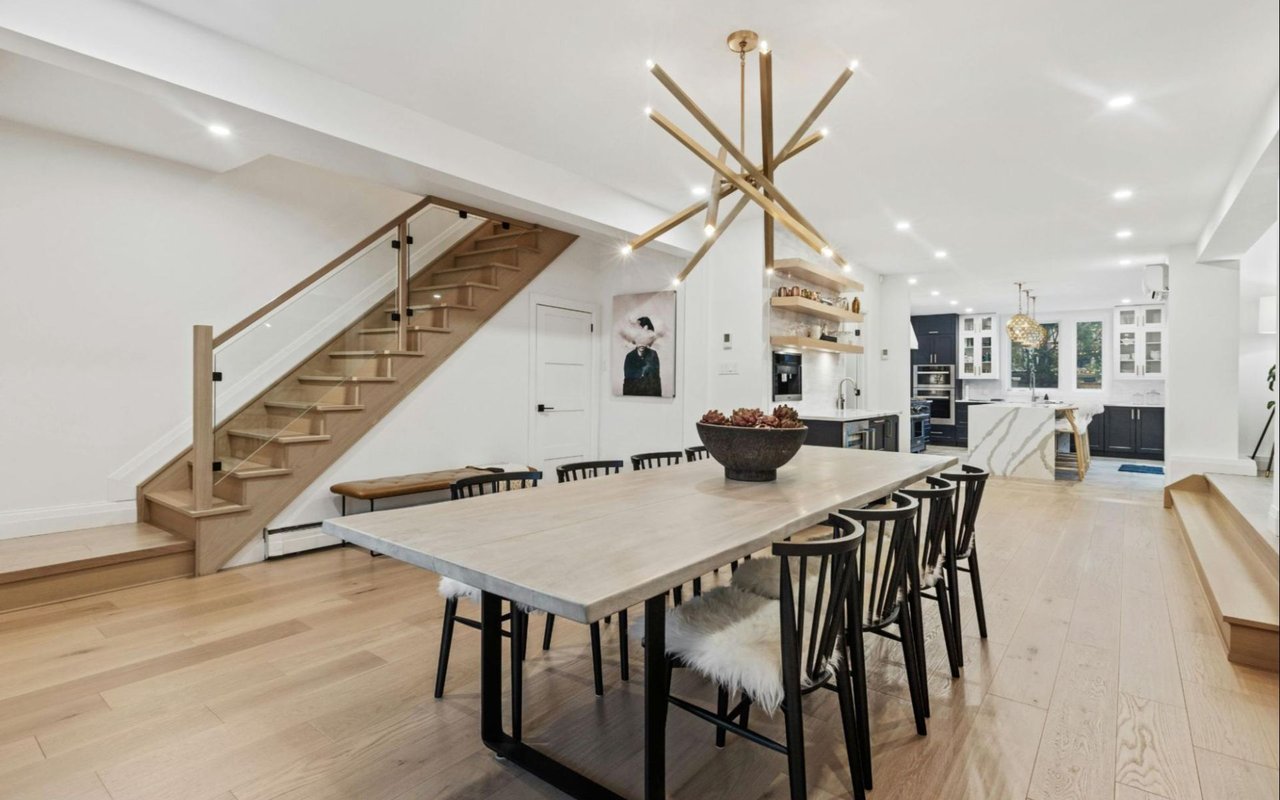
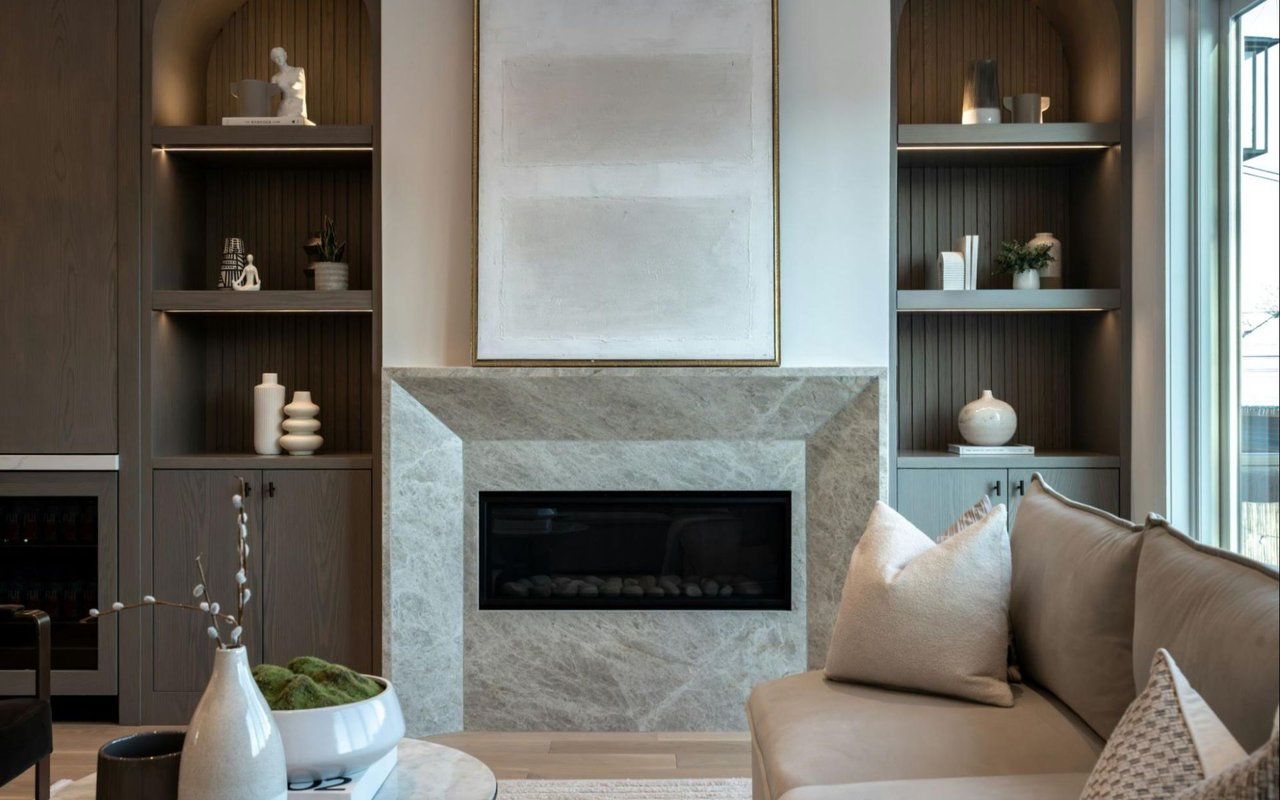
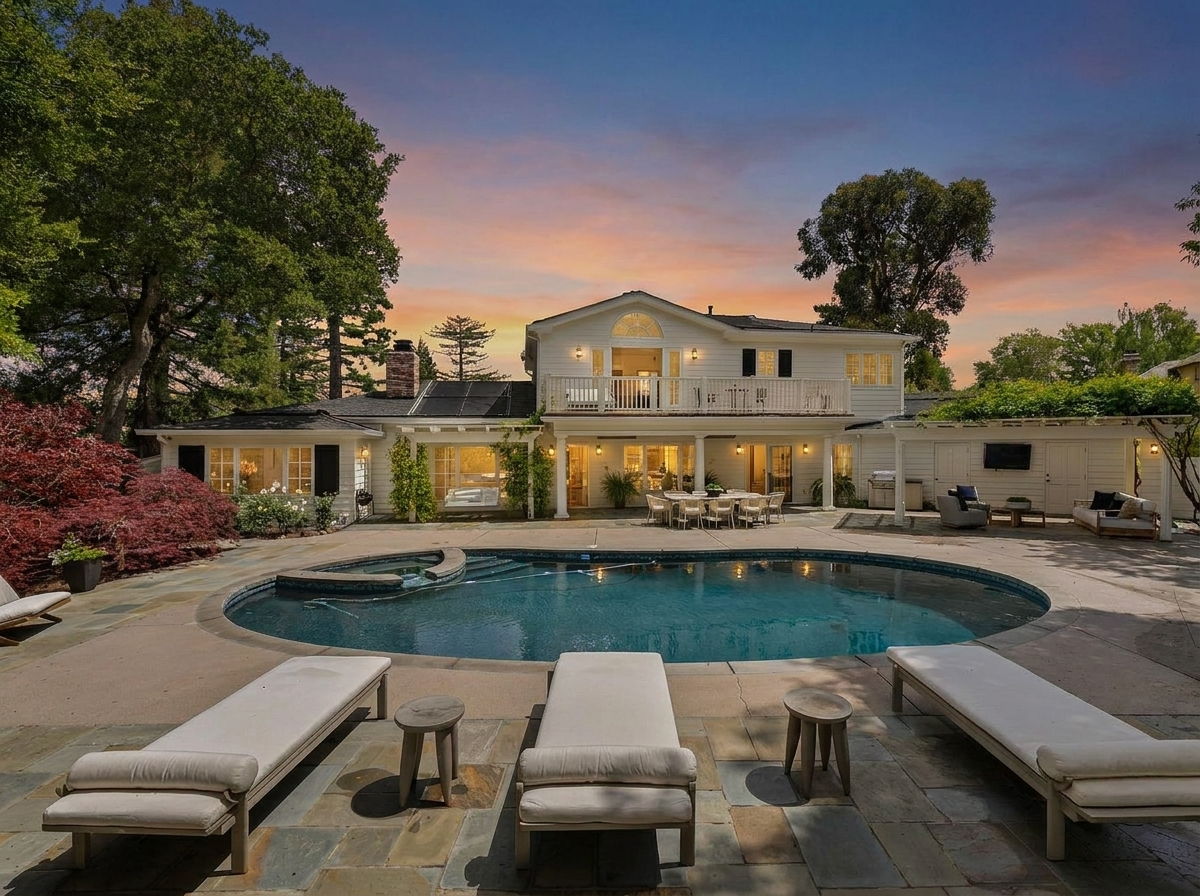
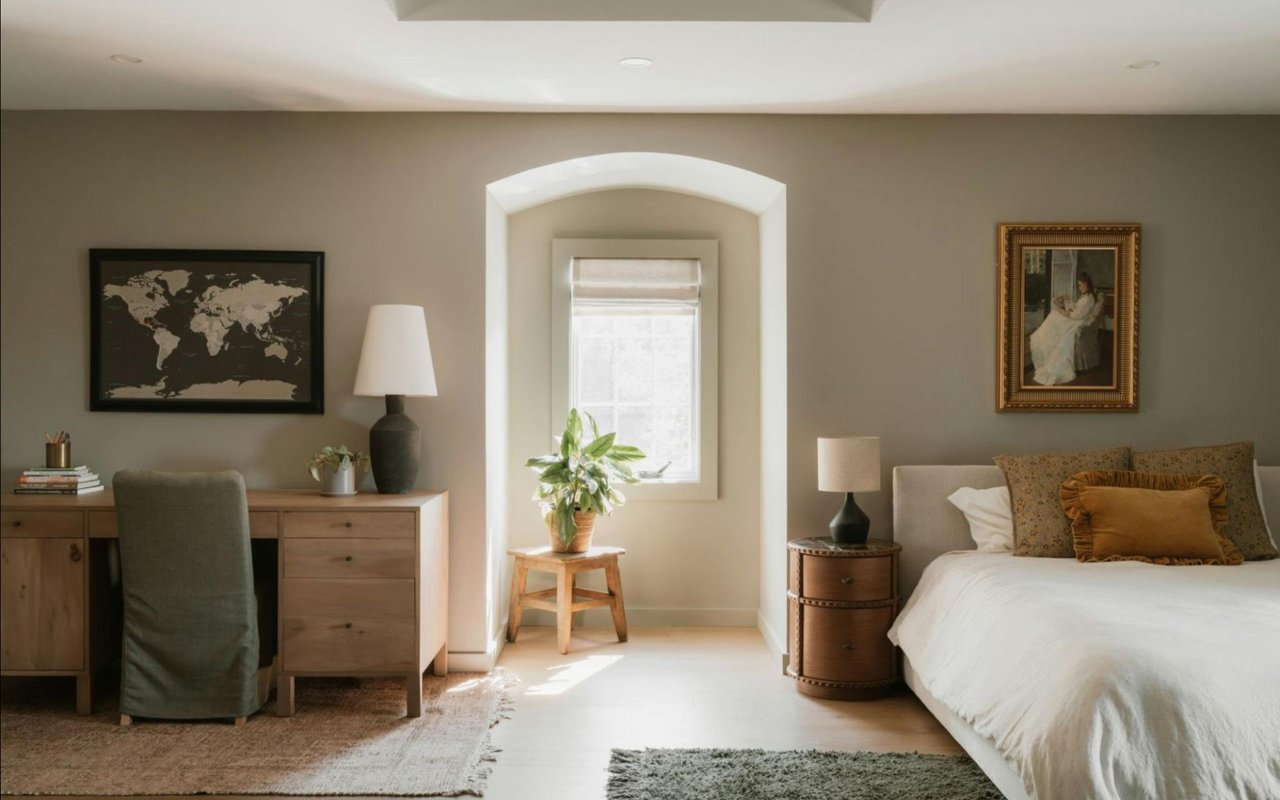
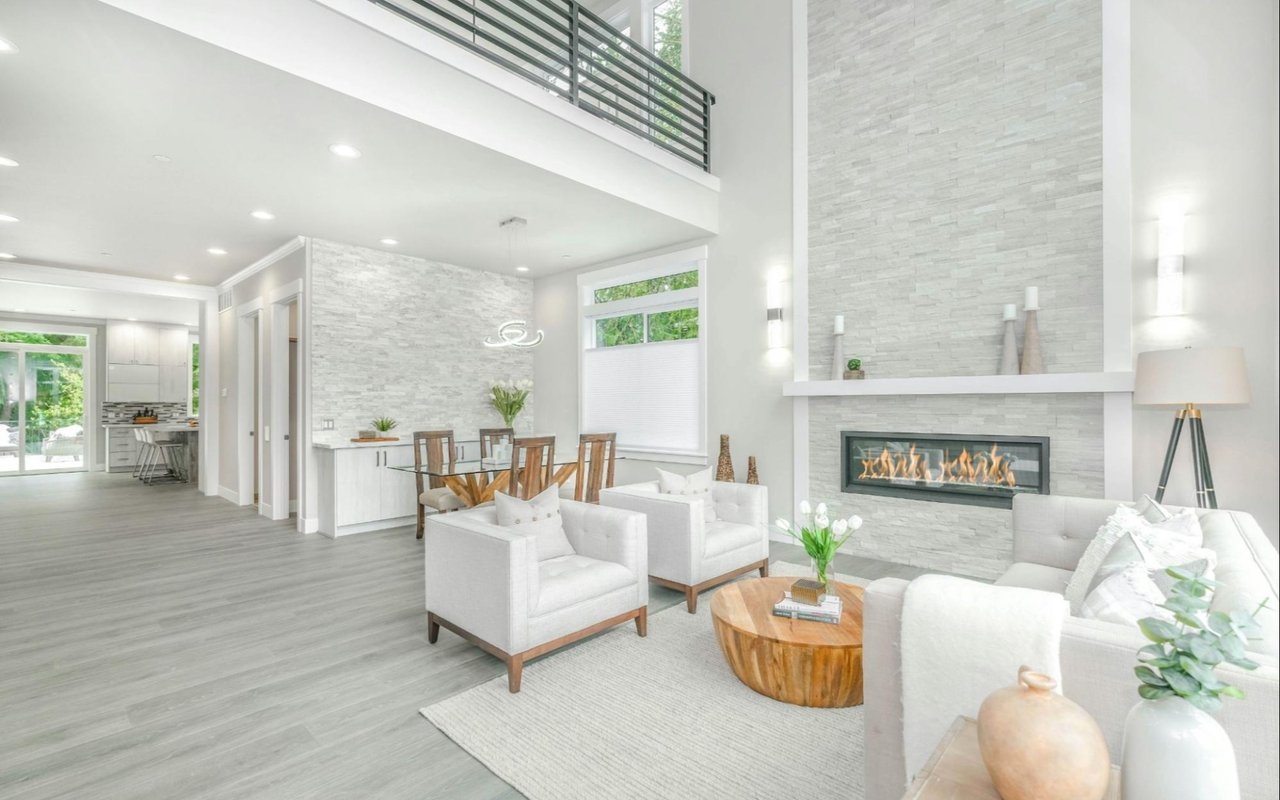
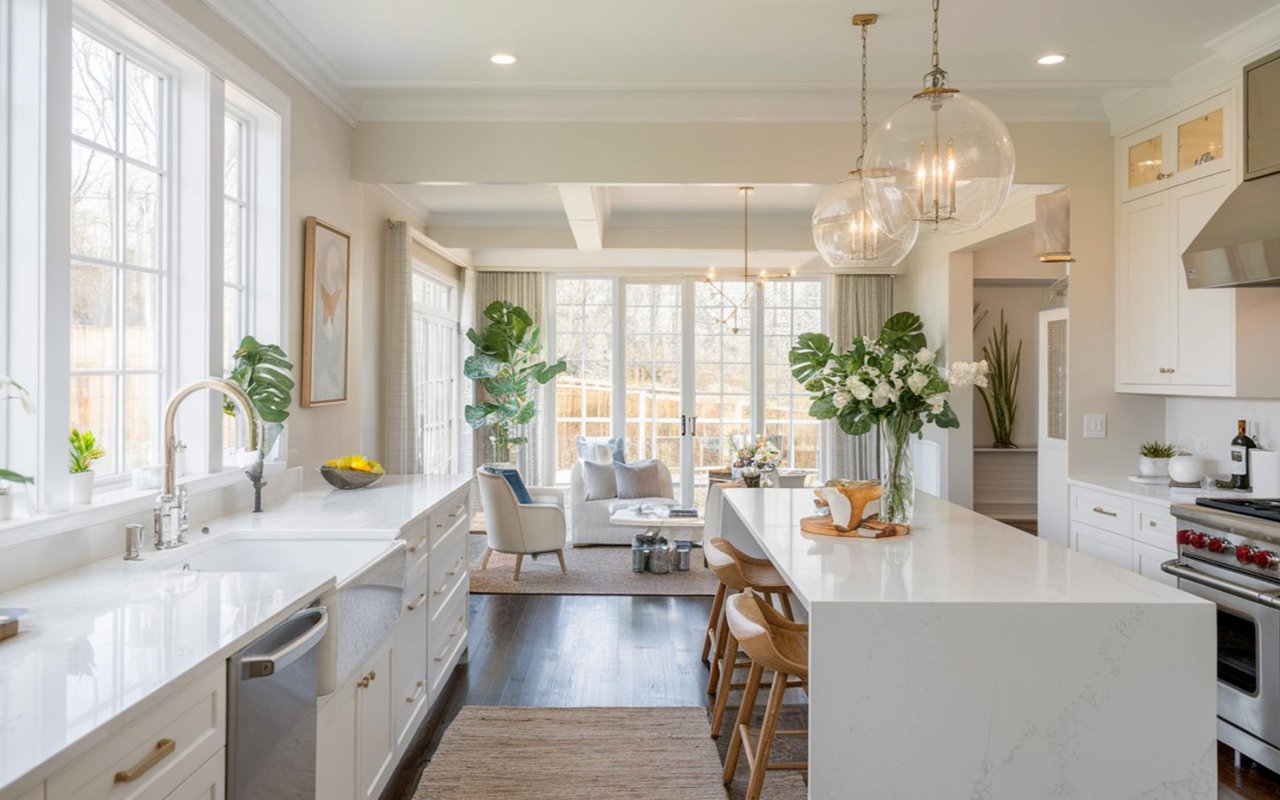
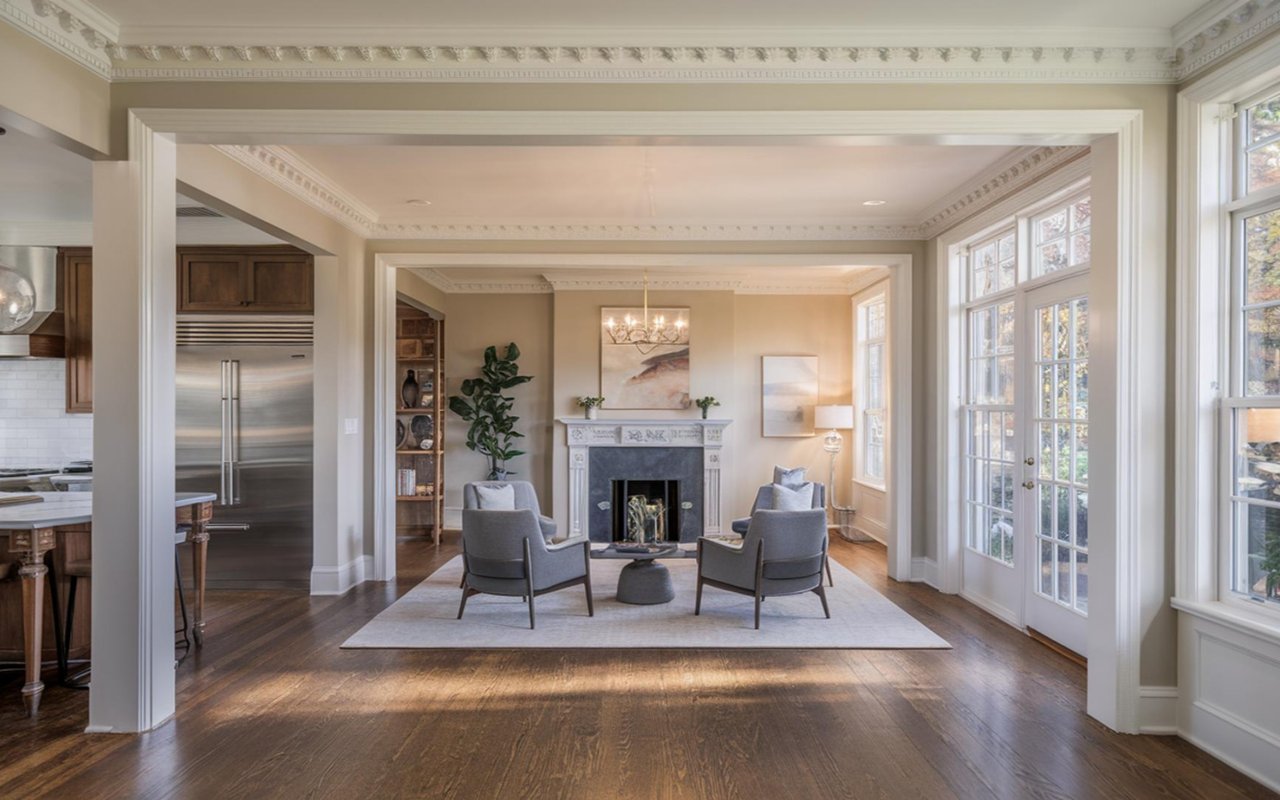
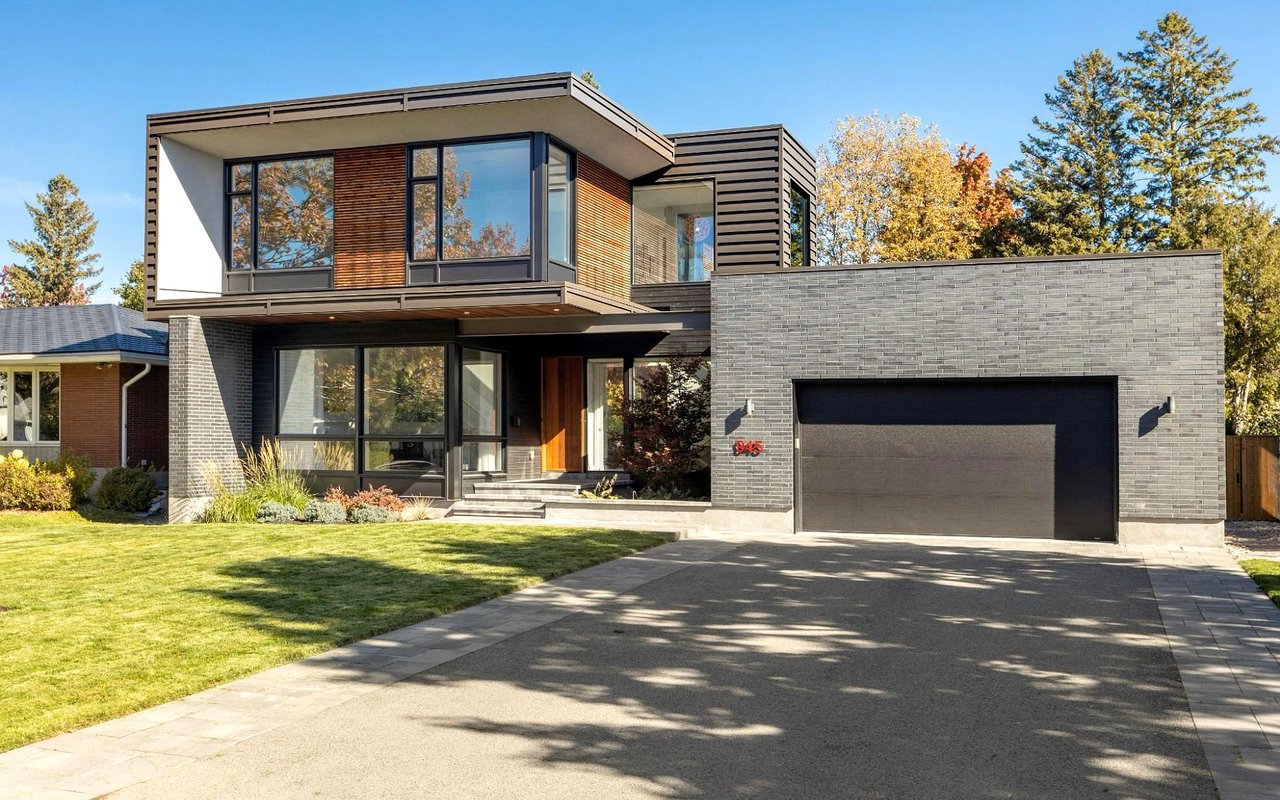
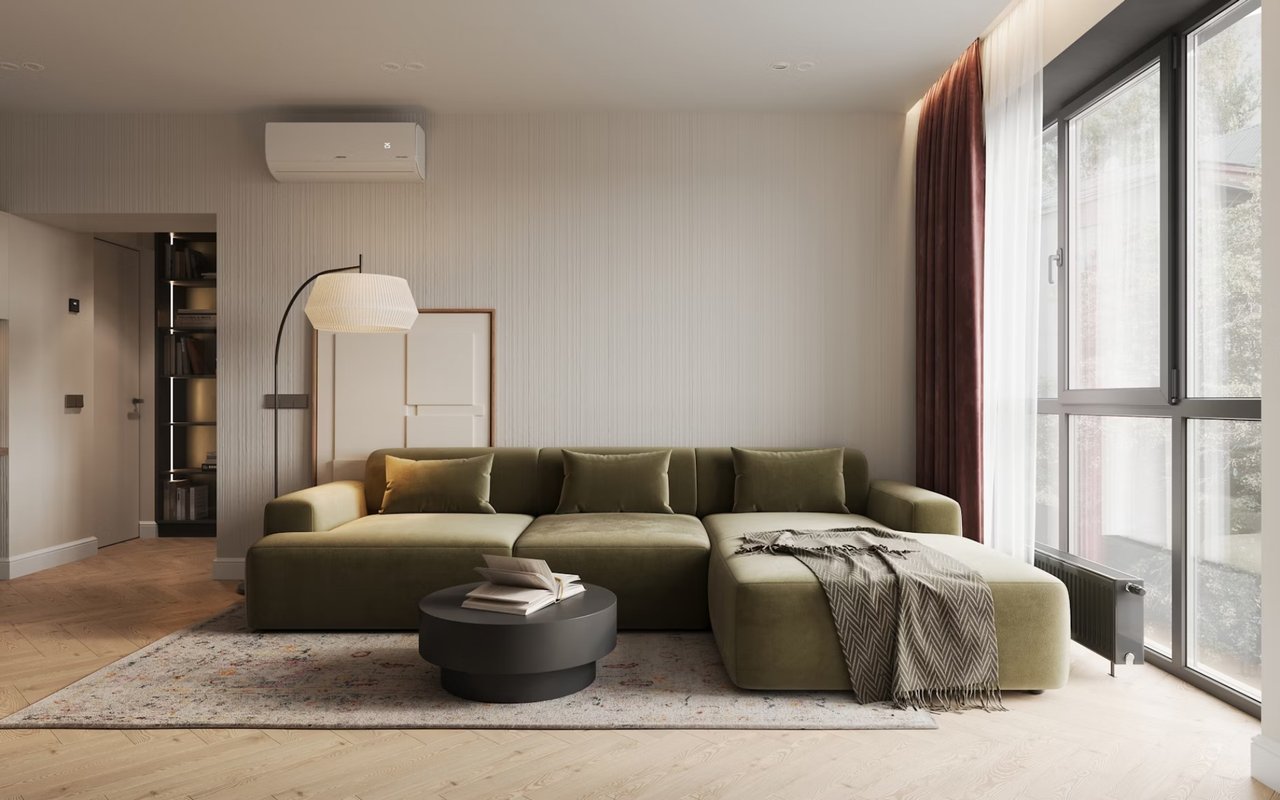
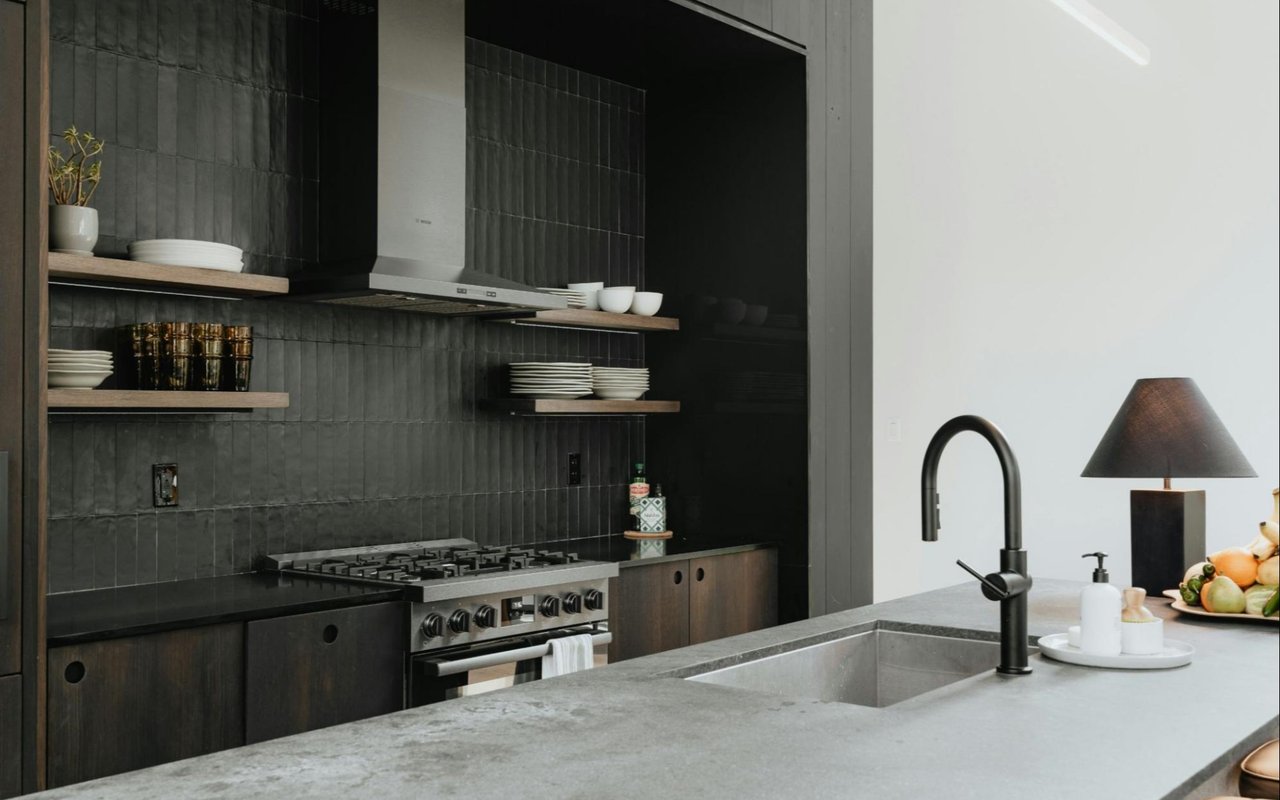
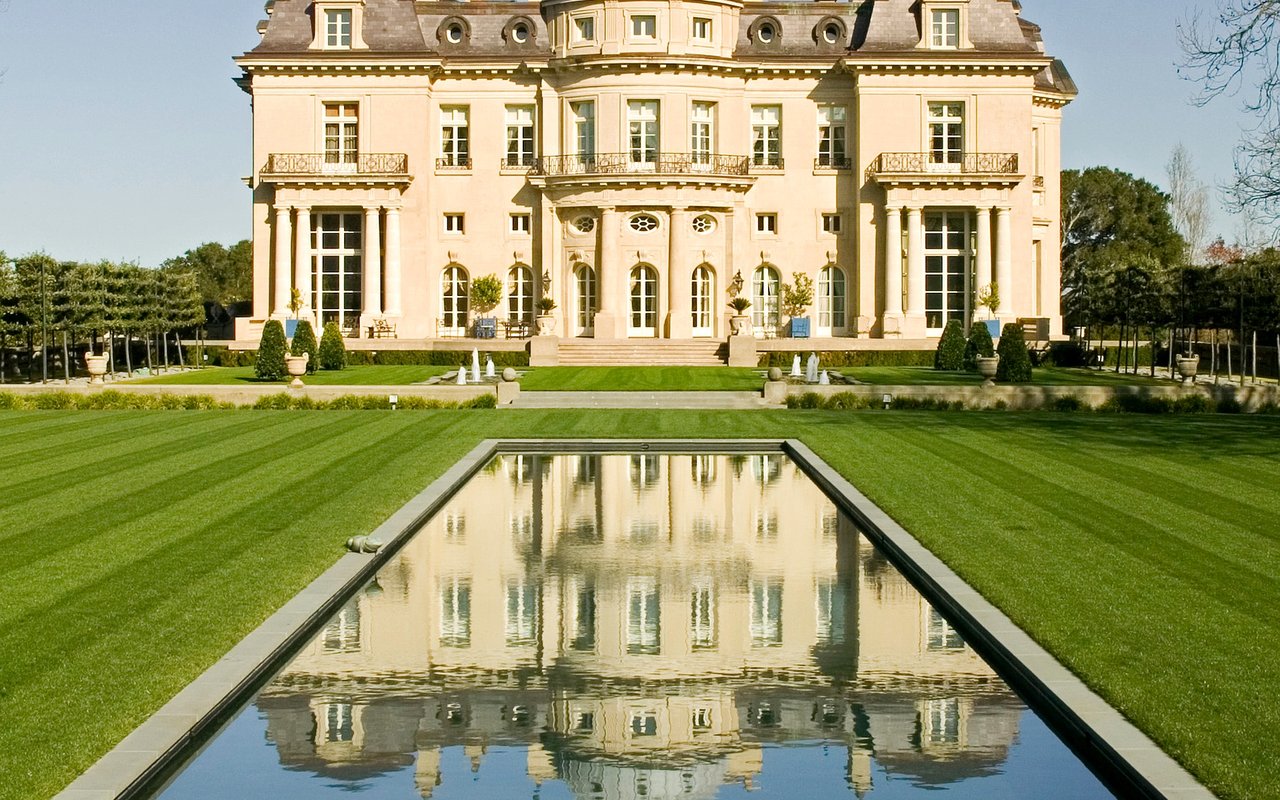
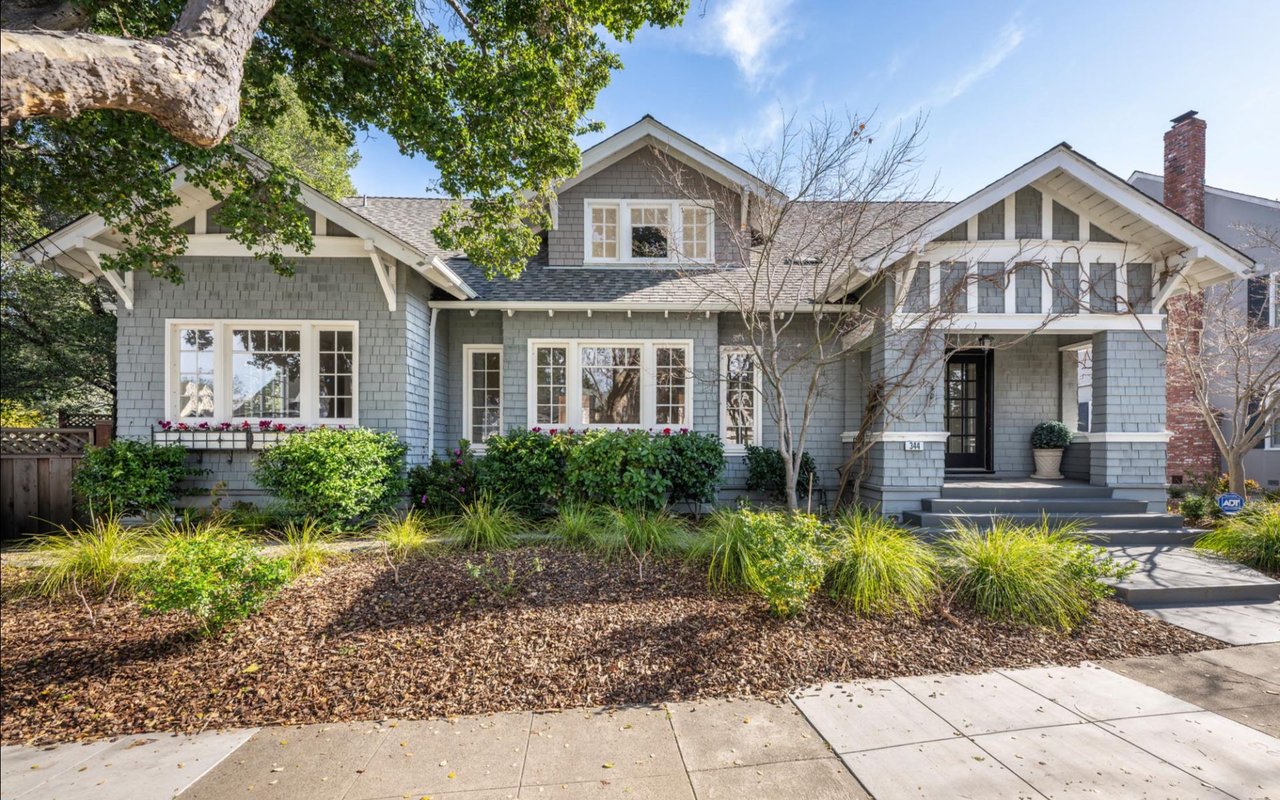
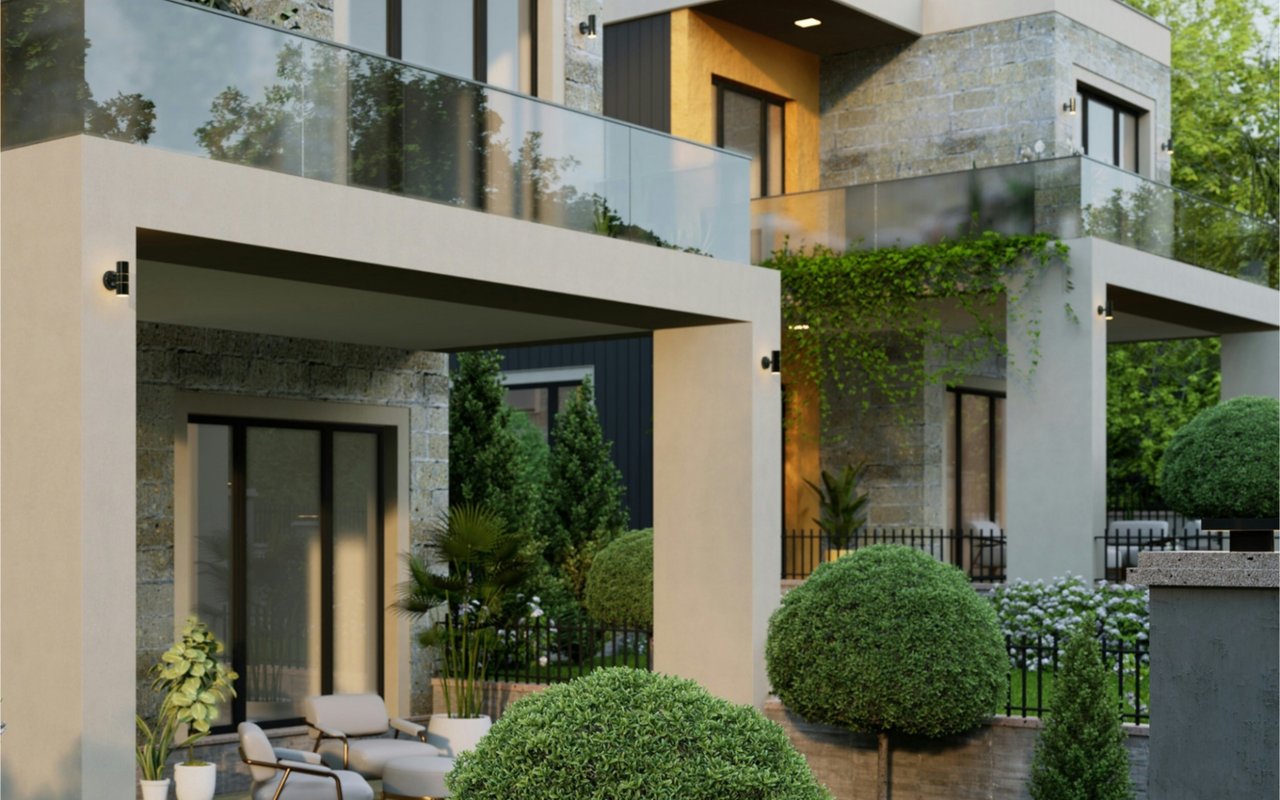
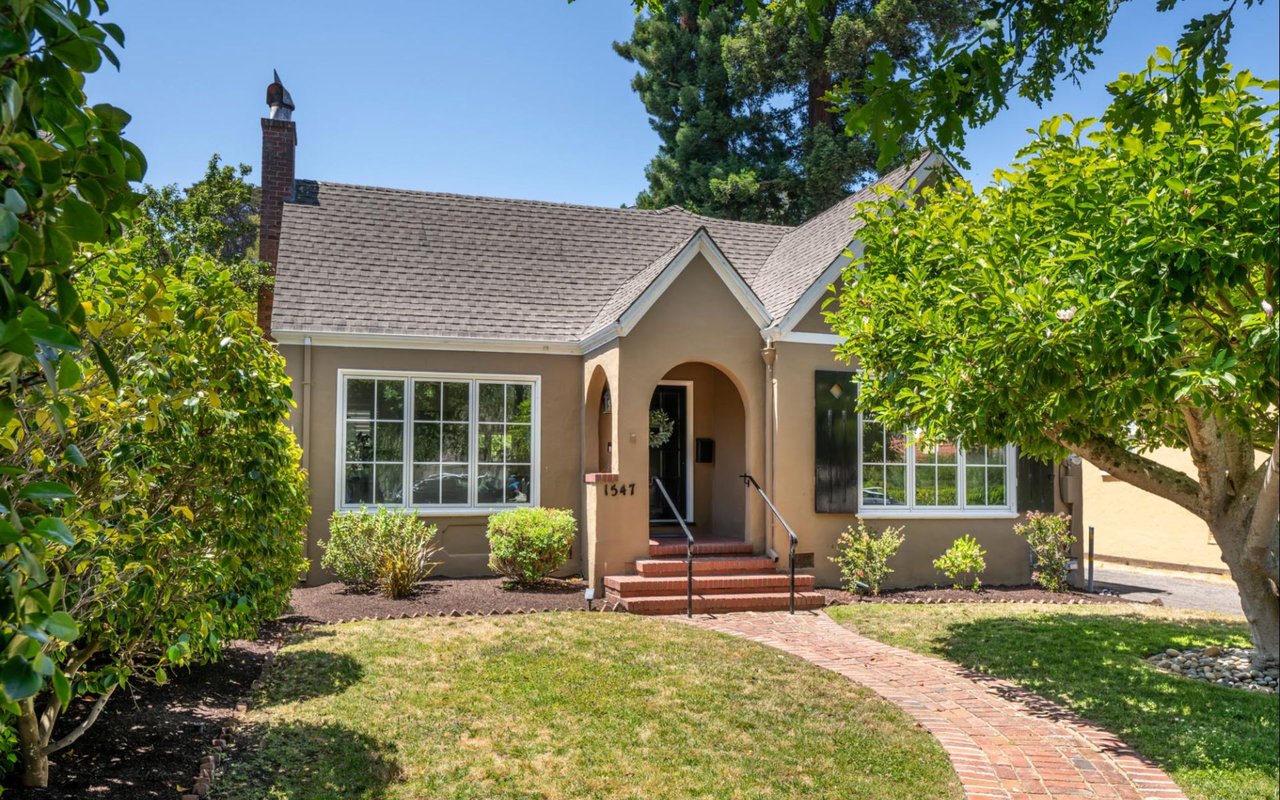
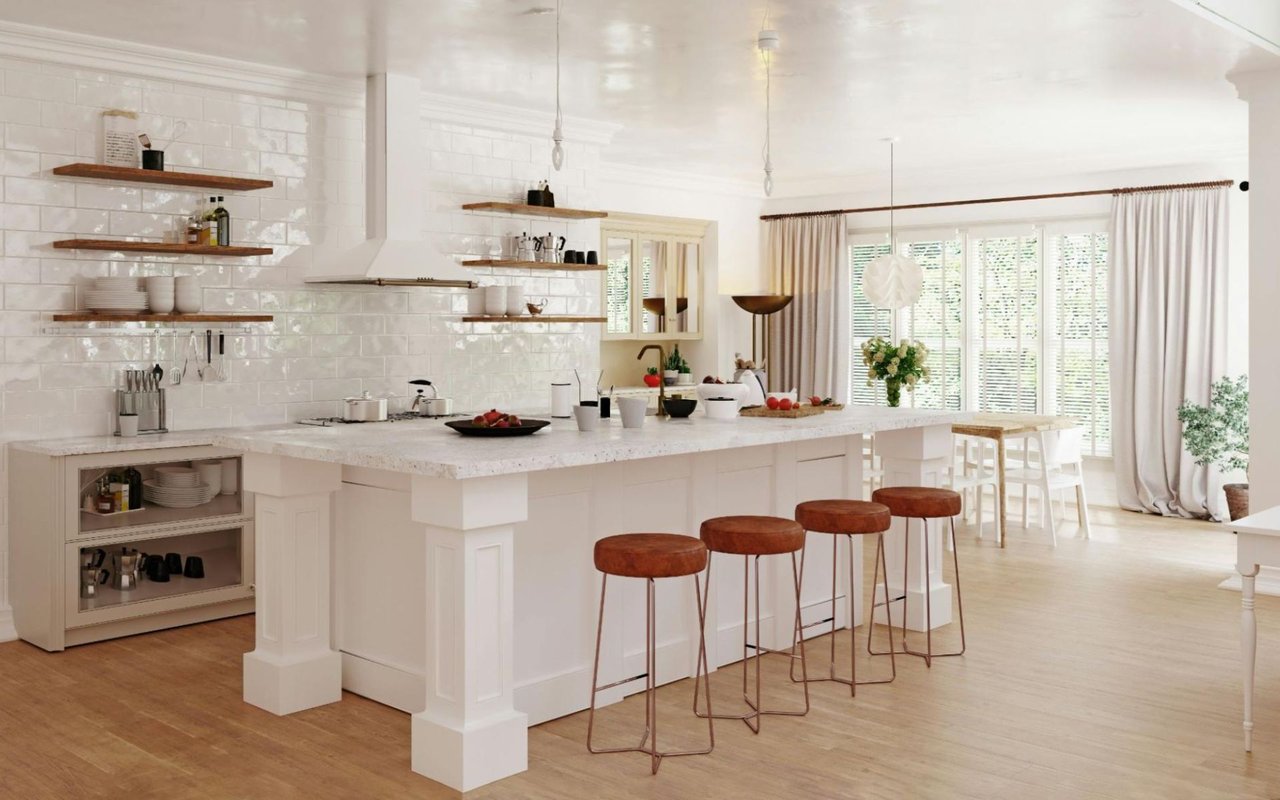
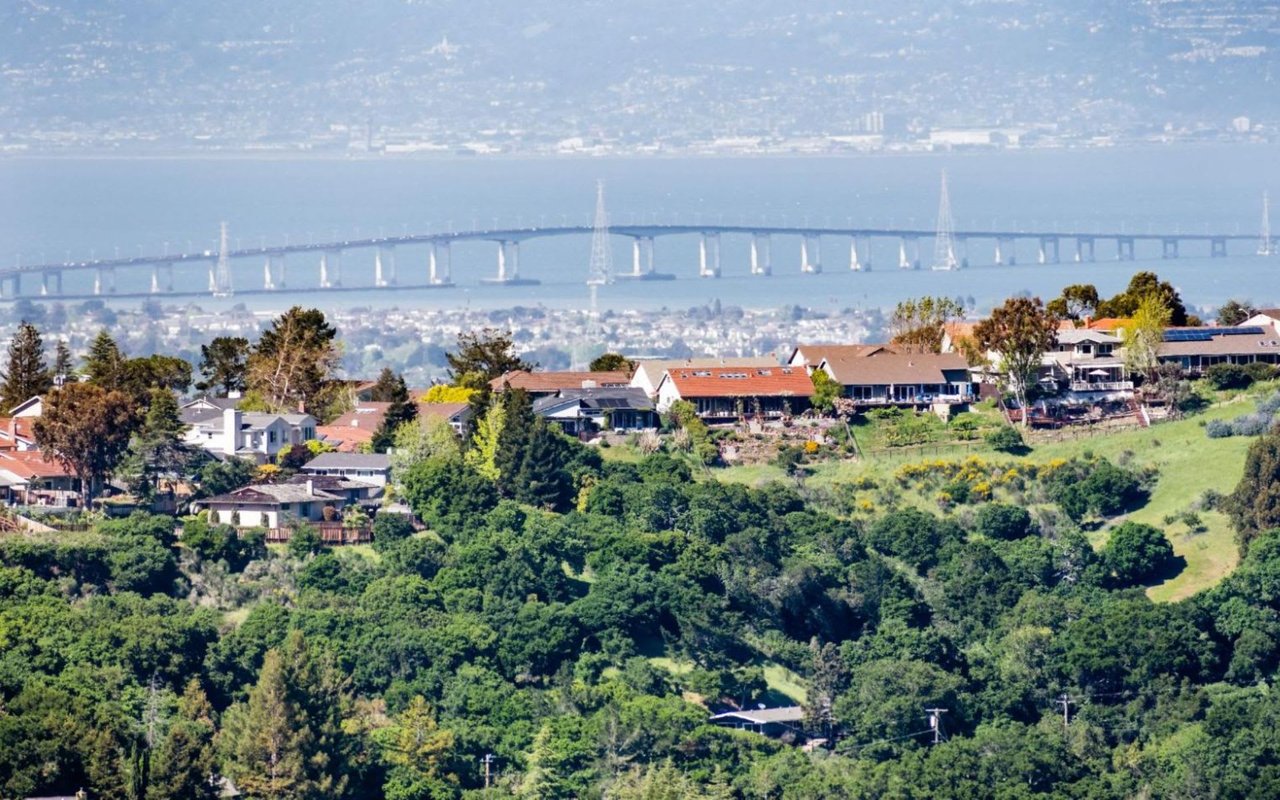
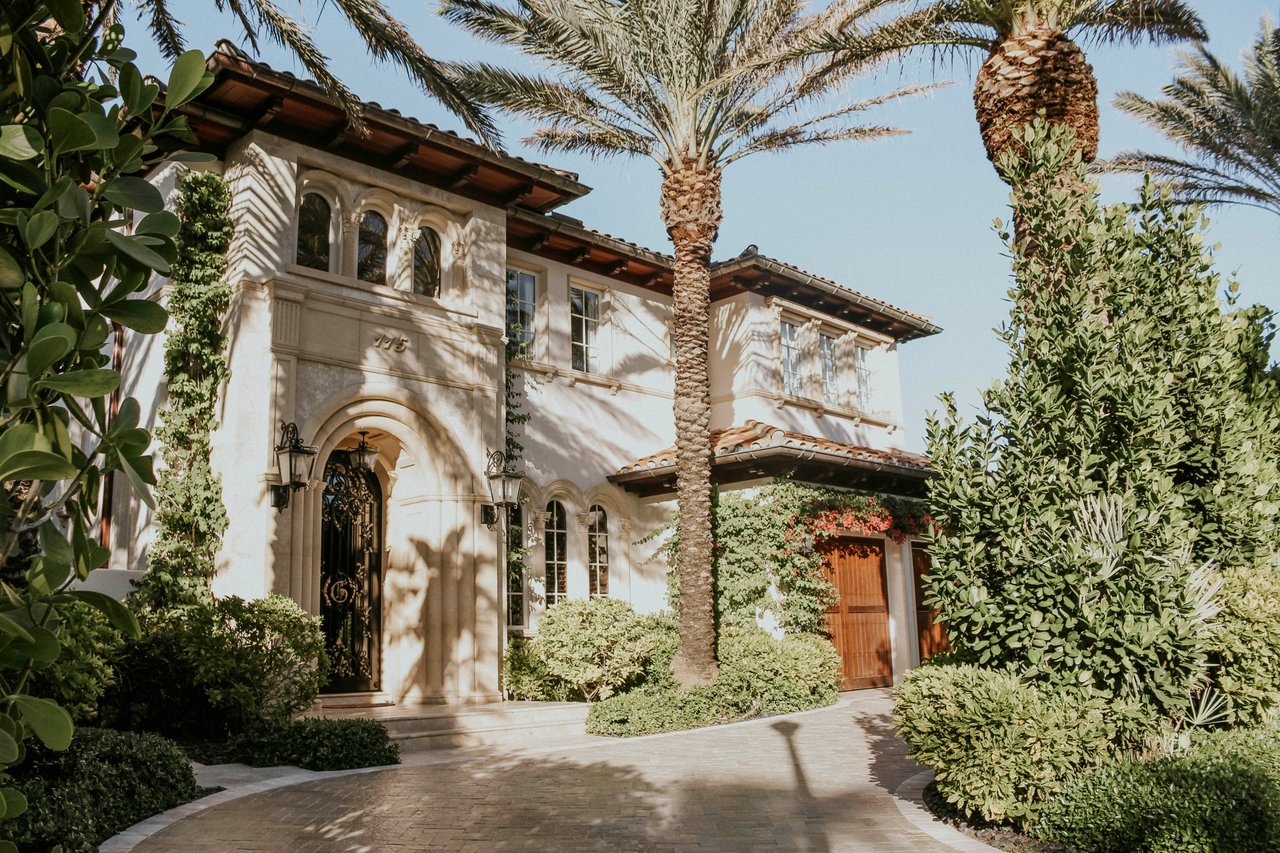
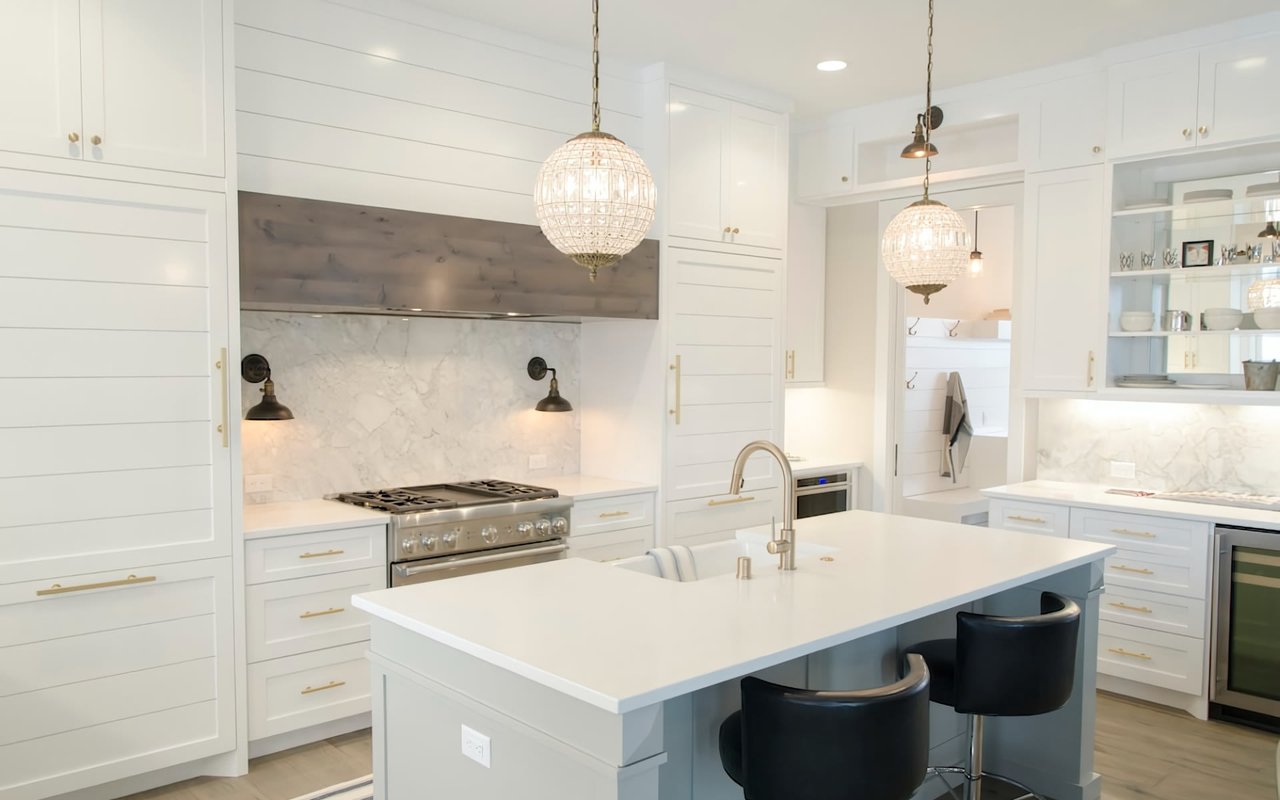
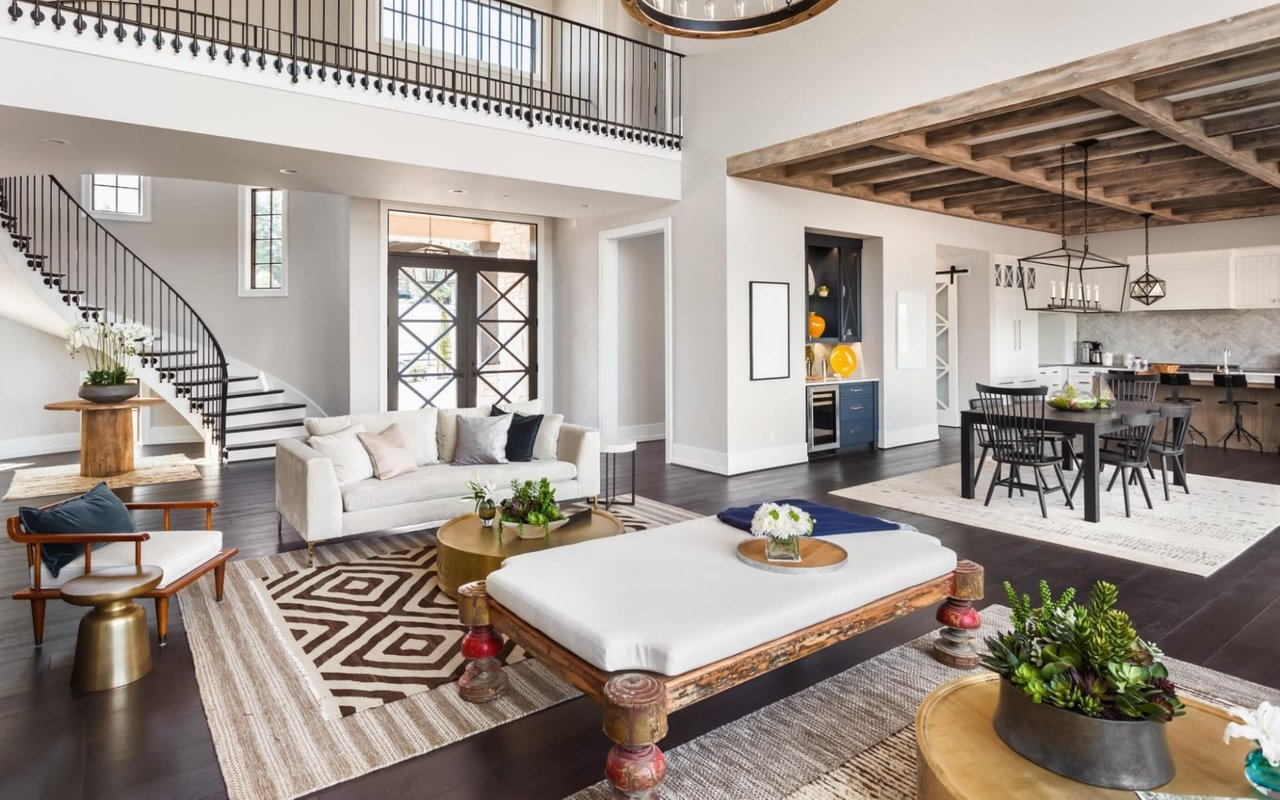
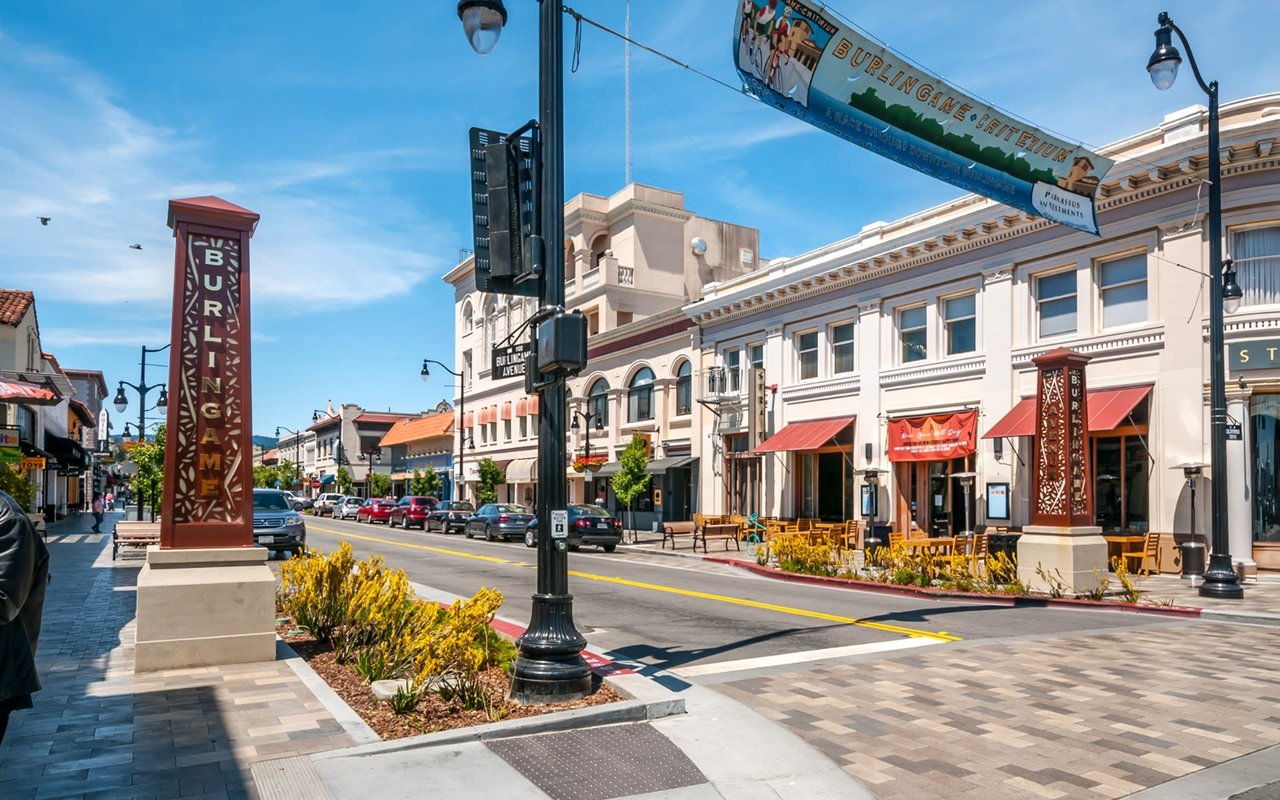
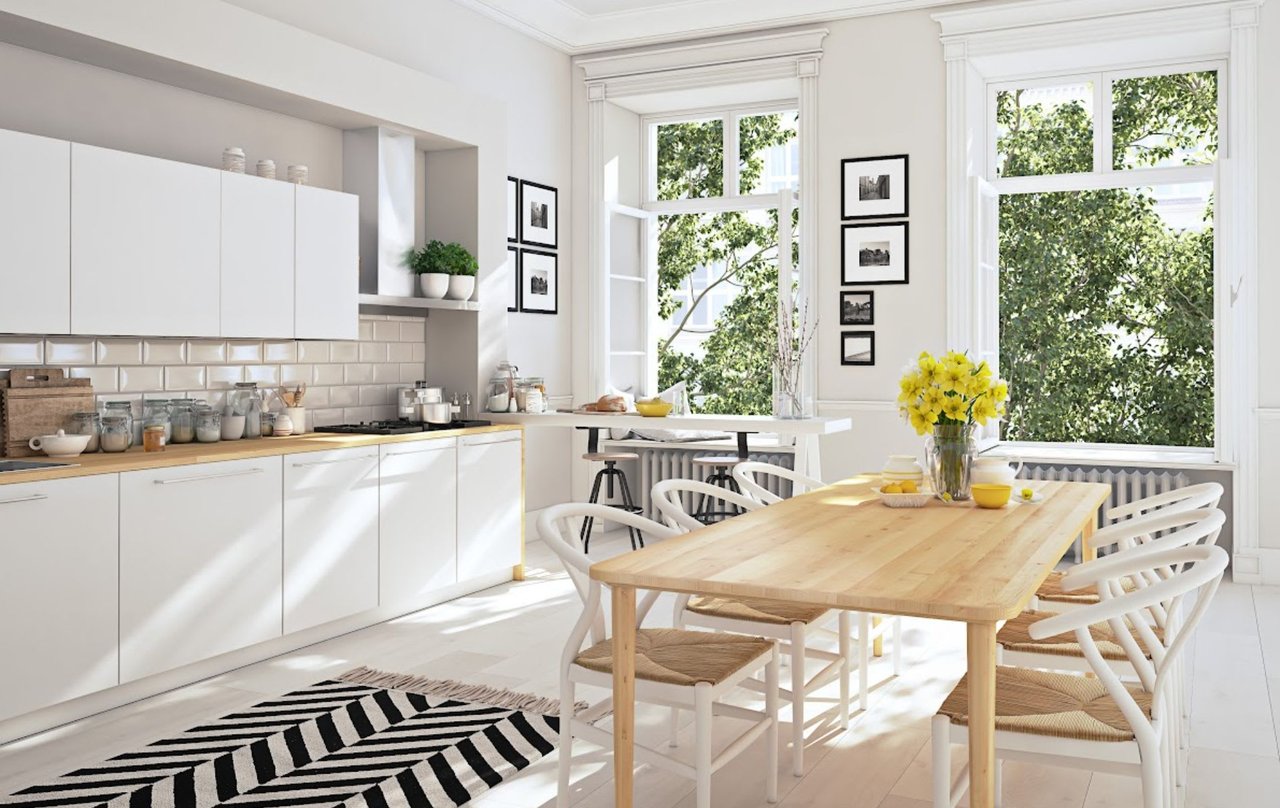
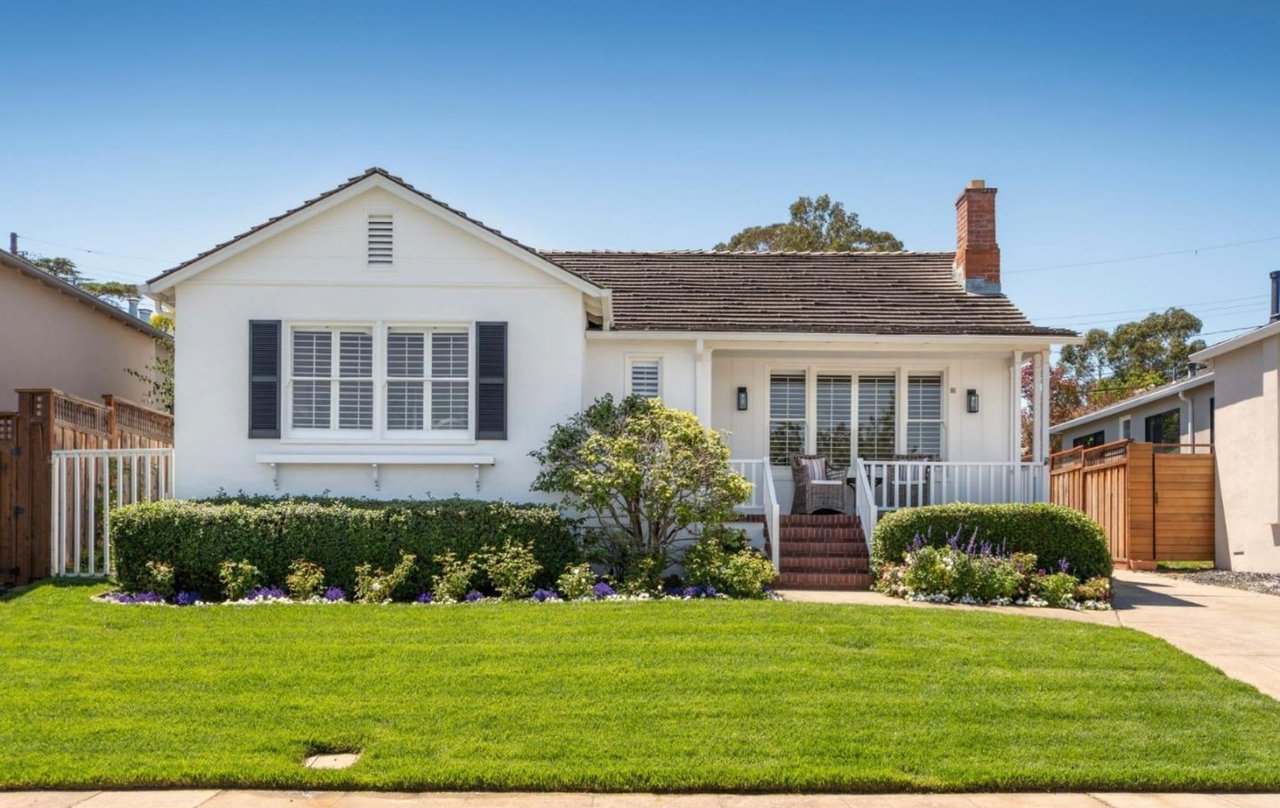
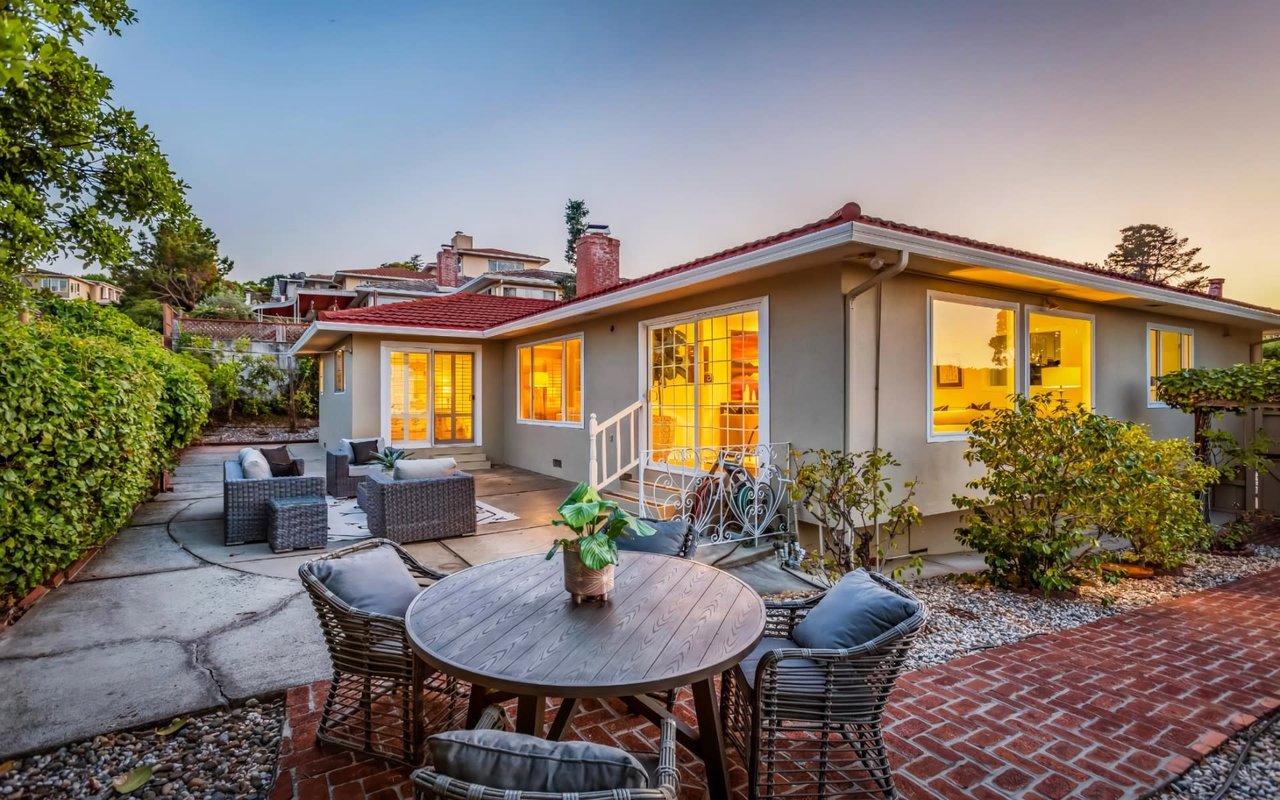
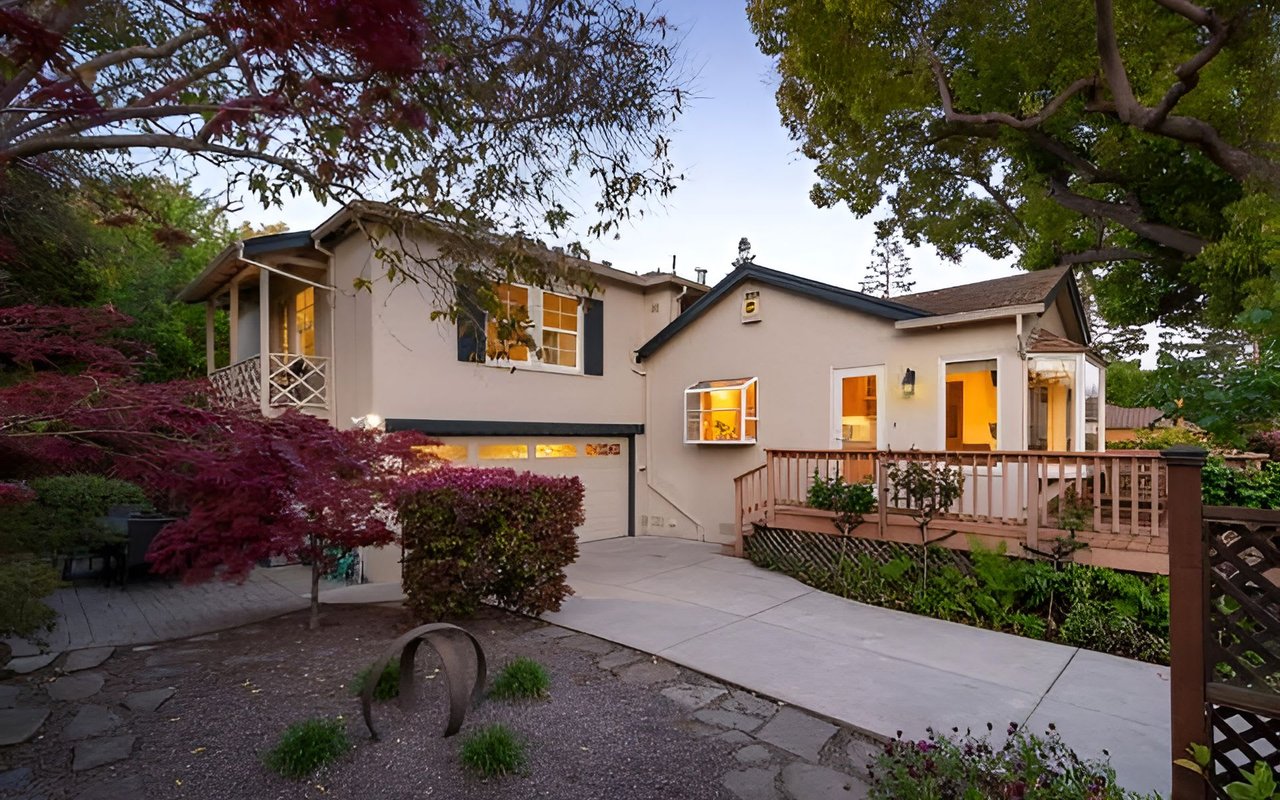
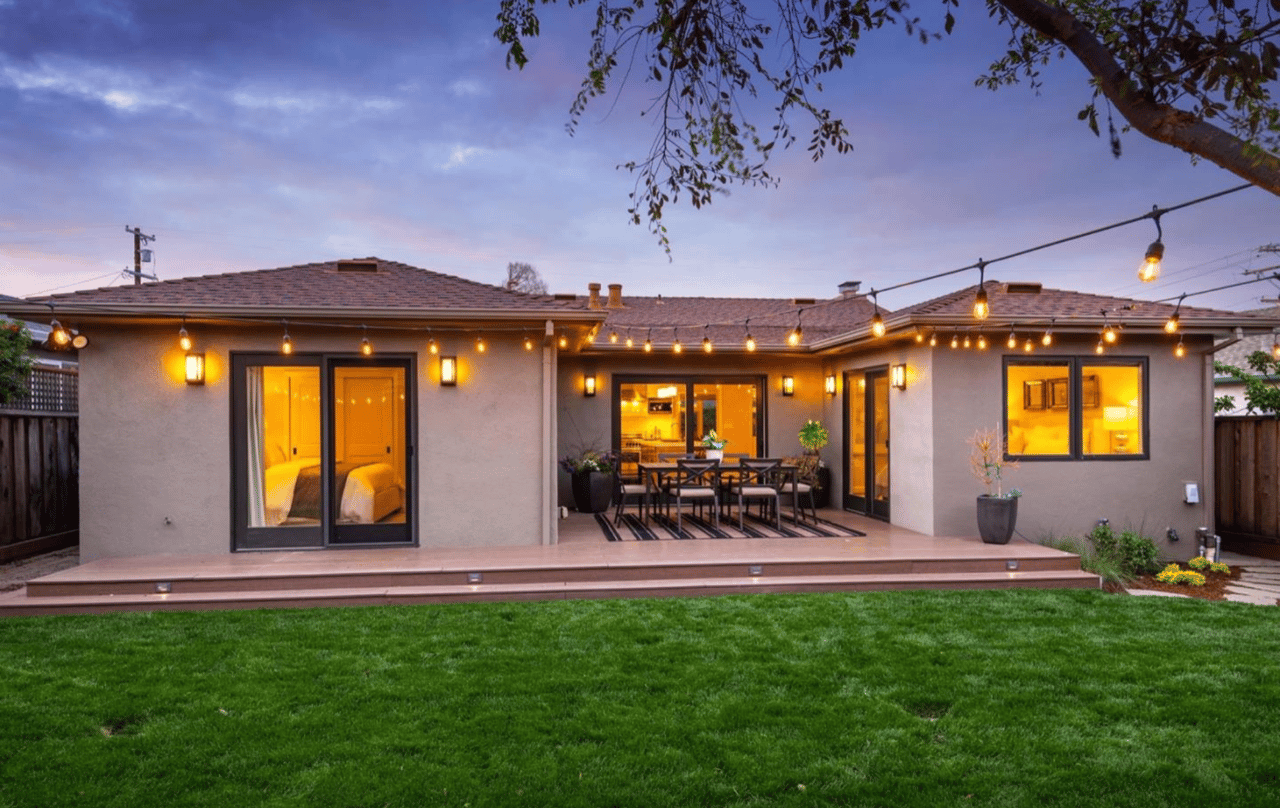
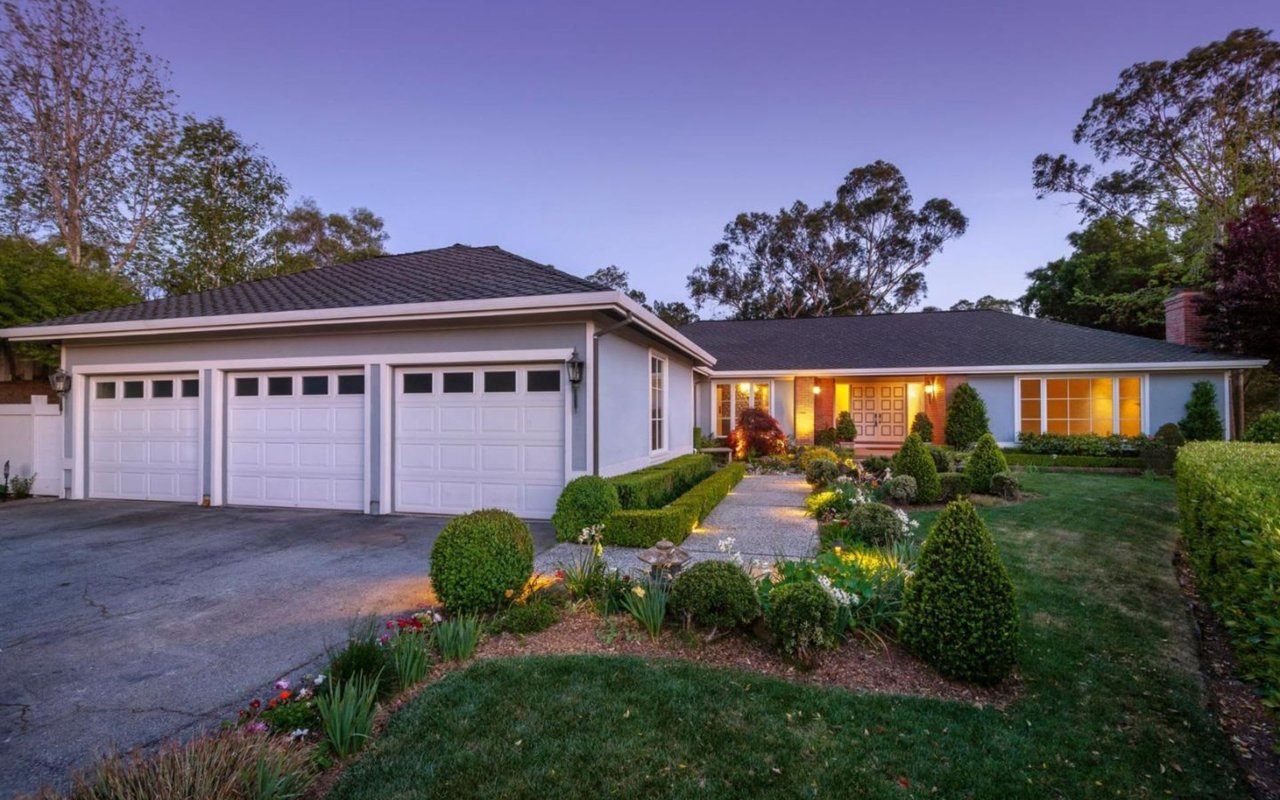
There’s no wrong neighborhood in Burlingame, only the one that fits you best. Whether you picture walking the kids to school under a canopy of old trees, a hillside home with bay views, or weekend mornings steps from Burlingame Avenue, each part of town offers its own version of the Burlingame lifestyle.
The difference comes down to how you want to live. Two homes of similar size and finish can feel completely different depending on the street, the lot, the layout, and what’s around the corner. Our job is to help you understand those differences, so you find the neighborhood that feels like home, not just the house that checks the boxes.
How to Choose the Right Neighborhood
Before you compare homes, consider what matters most to you day to day:
● Space: Do you want a large yard, or would you trade lot size for location?
● Walkability: How important is walking to school, parks, or downtown?
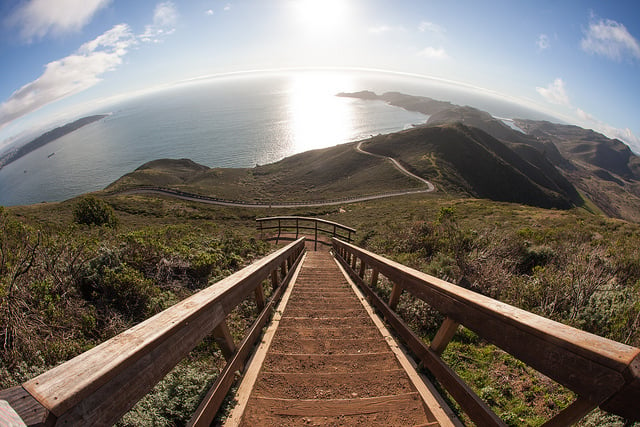
● Setting: Do you prefer flat, tree-lined streets or a hillside home with views?
● Commute: How often will you drive to San Francisco or Silicon Valley, take Caltrain, or fly out of SFO?
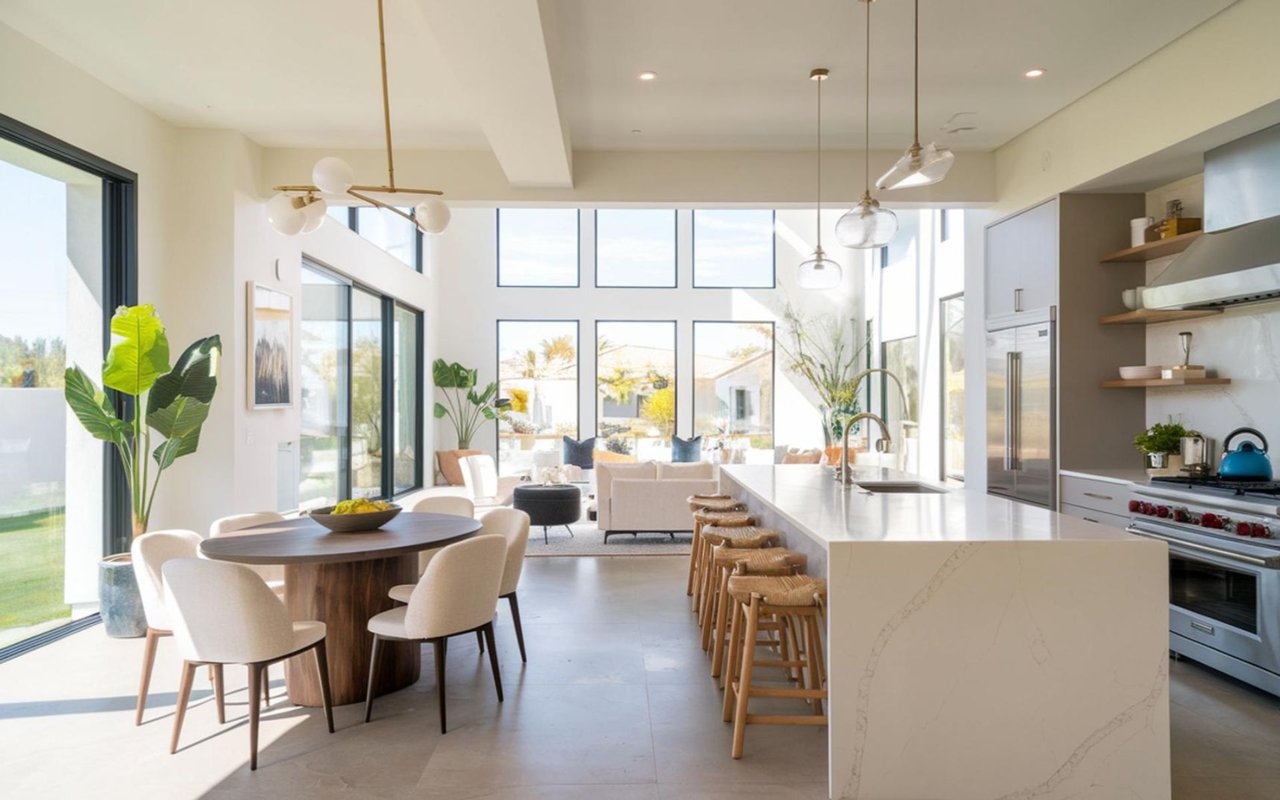
● Home style: Do you love original architectural character, or would you rather have a newer, open layout?
Burlingame Park: Grand Homes, Generous Lots, and a Walk to Town
Best for buyers who want space, architecture, and walkability.
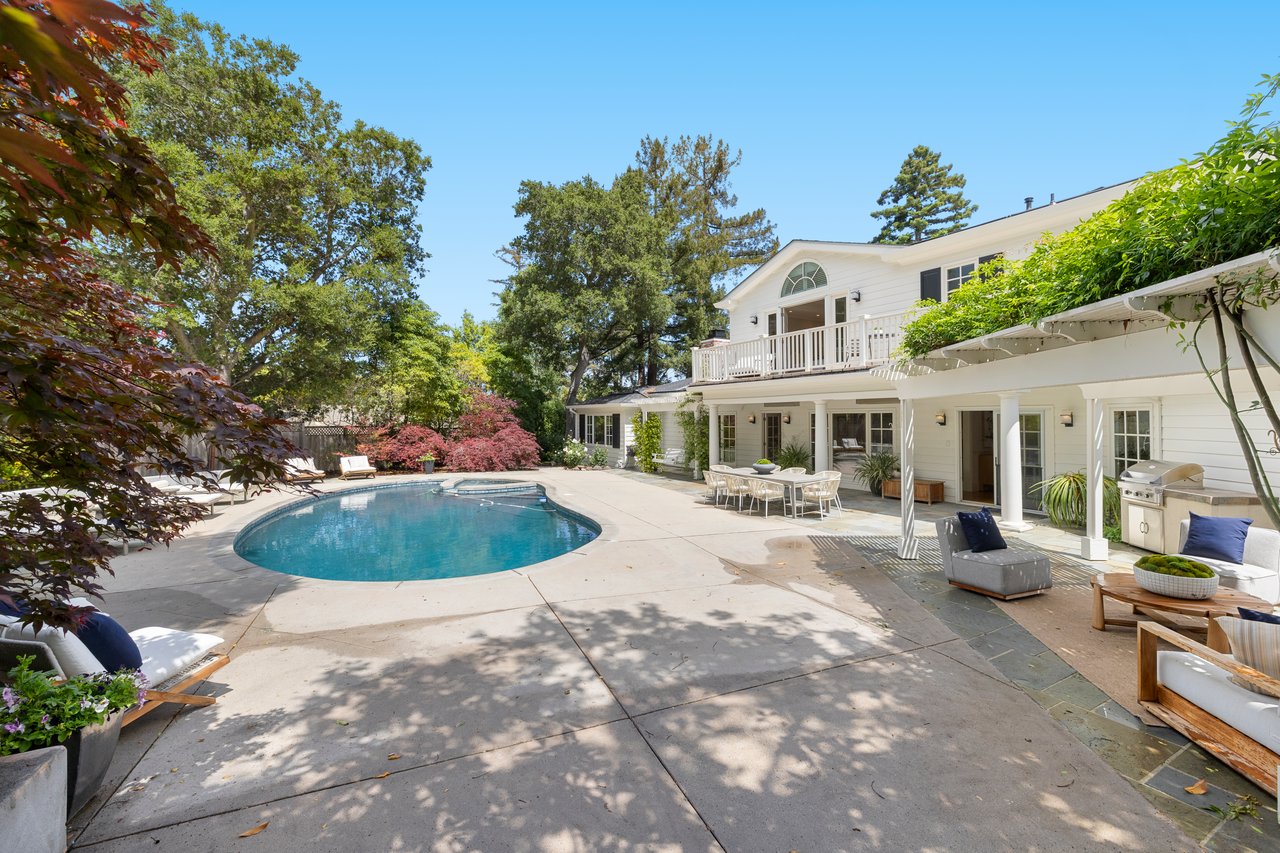
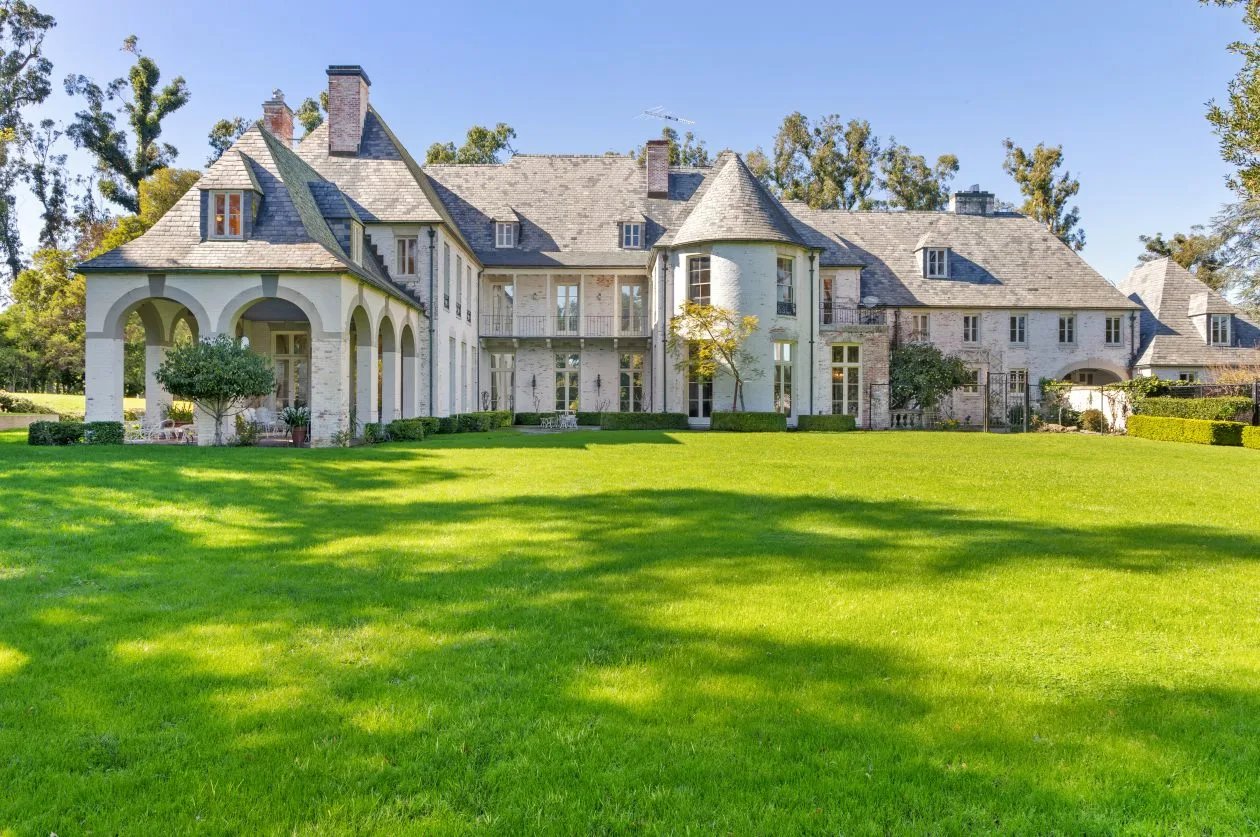
Just west of El Camino Real, Burlingame Park pairs large, architecturally significant homes and generous lots with towering trees and an easy walk to Burlingame Avenue and the Caltrain station. Many of the homes border Hillsborough estates. Some of homes retain their original character, while others have been thoughtfully updated for modern living.
What to look for: how the floor plan fits your routine, how the yard supports the way you live and entertain, and the home’s history of updates.
Easton Addition: Historic Charm Near Broadway
Best for buyers who want classic architecture and a strong neighborhood feel.
One of Burlingame’s largest historic neighborhoods, Easton Addition is known for its gridded streets, mature tree canopy, and easy access to Broadway’s shops and restaurants. Homes range from beautifully preserved originals to newer construction with open layouts.
What to look for: floor plan, lot shape, parking, and renovation history. Values vary from block to block, so recent nearby sales are the best guide.
Burlingame Hills: Views, Privacy, and Custom Homes
Best for buyers who want views, privacy, and a home with personality.
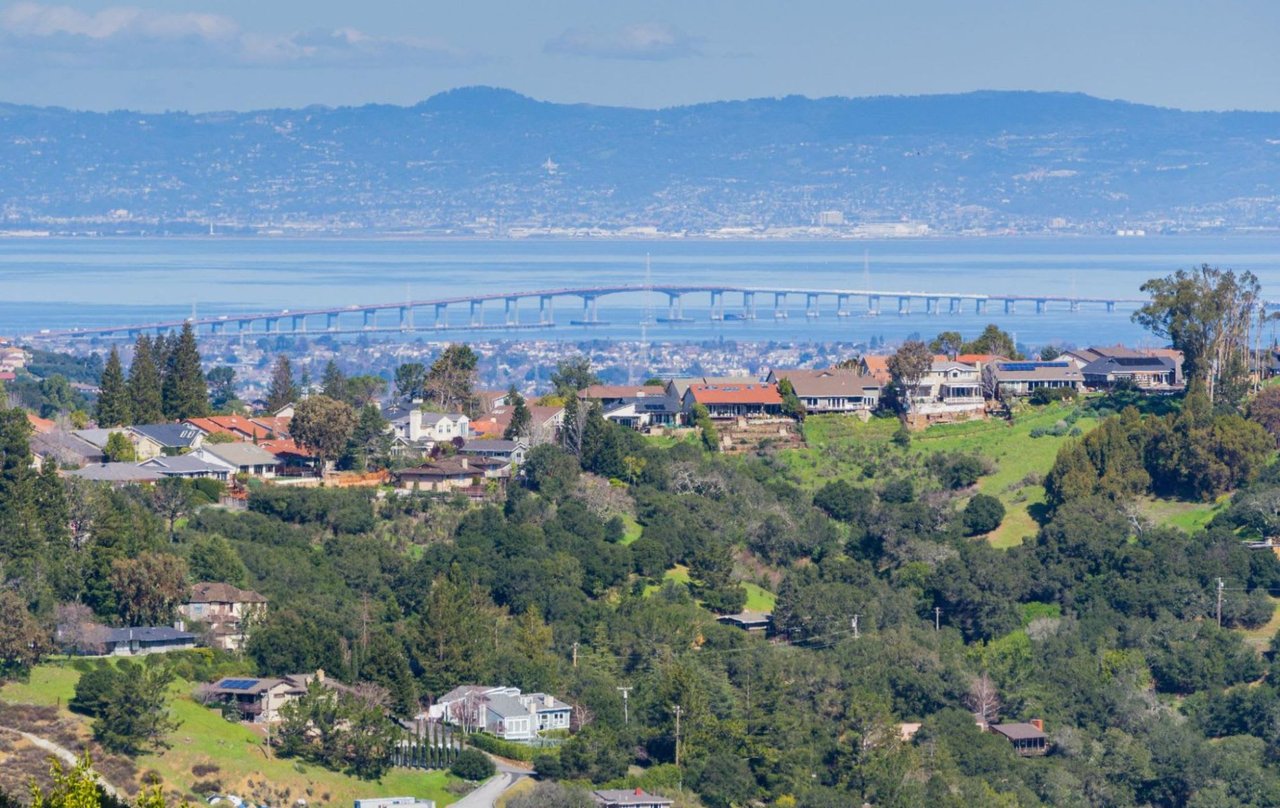
On the city’s western edge, Burlingame Hills offers custom homes on larger, sloped lots, many with sweeping views. No two homes are alike, which makes it a favorite for buyers drawn to distinctive architecture.
What to look for: driveway access, stairs, how the layout flows across levels, and how outdoor space works on a slope.
Mills Estates: Spacious Homes on the Western Hillsides
Best for buyers who want room to spread out in a quiet setting.
Set on Burlingame’s western hillsides, Mills Estates offers larger mid-century and traditional homes with spacious layouts. It’s a peaceful, residential setting with easy access to I-280.
What to look for: layout and room flow, how the home has been updated, and outdoor space on a hillside lot.
Ray Park: Classic Mid-Century Living
Best for buyers who want a classic, well-kept neighborhood.
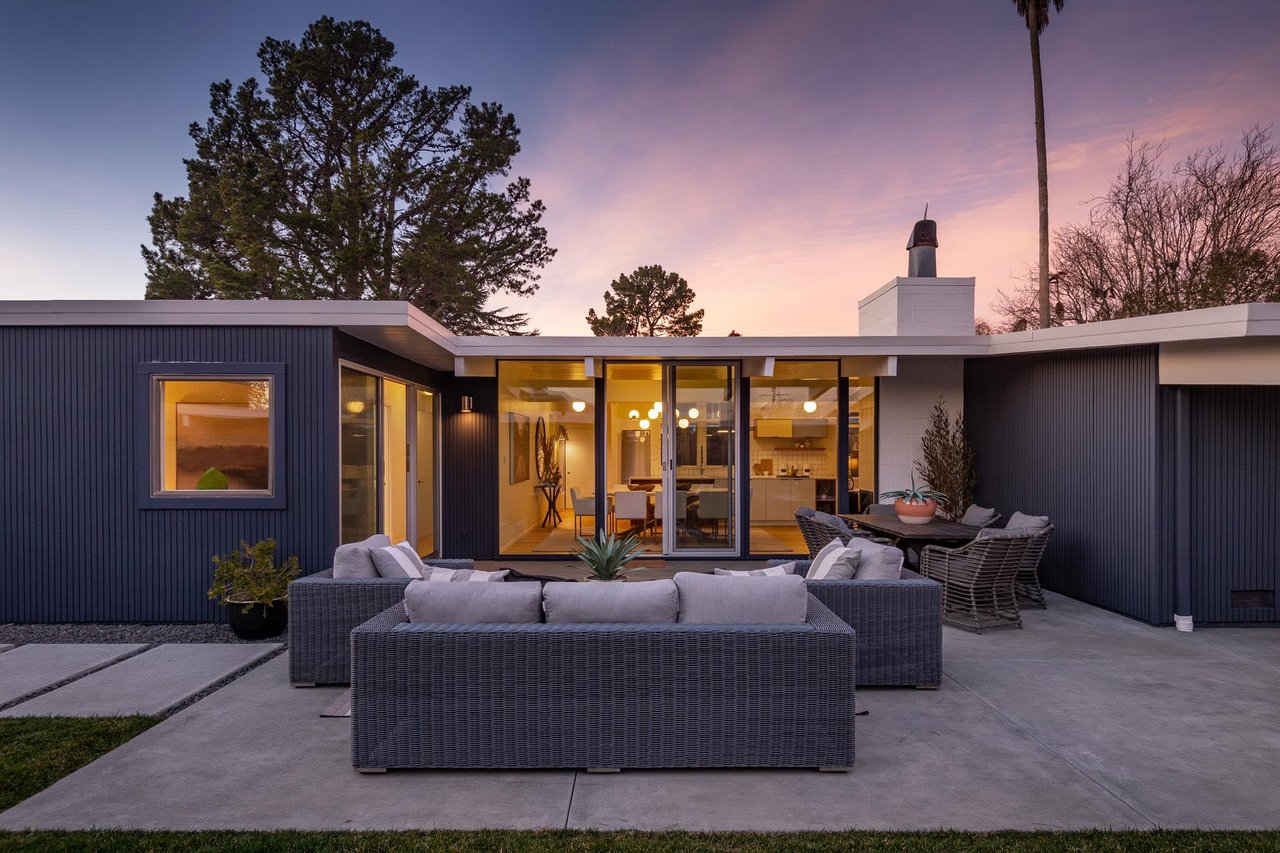
Ray Park is known for its mid-century and postwar homes and its quiet, well-kept streets. Many homes have been expanded or updated, offering a practical layout in a classic neighborhood setting. Ray Park borders Easton Addition, so if you love Ray Park you’ll love Easton!
What to look for: the quality of past additions and remodels, the yard, and the condition of original systems.
Burlingame Grove: Eclectic Character Under Mature Trees
Best for buyers who love older homes with personality.
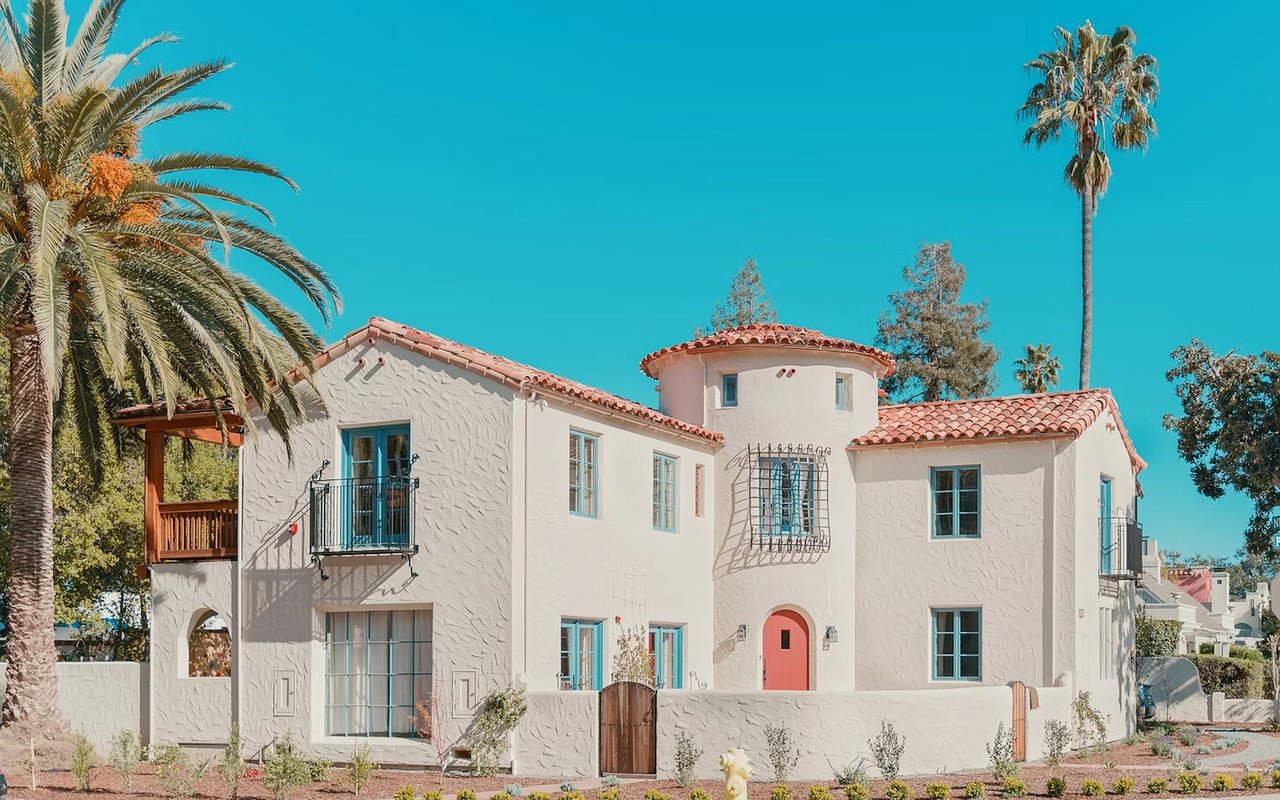
Burlingame Grove features narrower, tree-lined streets and an eclectic mix of early-20th-century architecture. It’s ideal for buyers who appreciate original details and a neighborhood where every home looks a little different.
What to look for: the home’s original features, foundation and systems in older construction, and parking on narrower streets.
Lyon-Hoag: A Classic Pocket and an Attainable Entry Point
Best for buyers who want to put down roots in Burlingame.
Lyon-Hoag offers smaller early-20th-century and mid-century homes, often at a more attainable price point than many Burlingame neighborhoods. It’s a natural starting point for buyers who want a Burlingame address and room to grow into it. Lyon Hoag is walkable to Burlingame Community Center and Washington Park for playgrounds, pickleball, tennis & classes.
What to look for: expansion potential, renovation history, and how the layout can evolve with your needs.
Burlingame Terrace: Close to Downtown and Commuter Routes
Best for buyers who want convenience and easy access.
Burlingame Terrace’s grid of streets sits close to downtown shopping, dining, and commuter corridors. With a range of home sizes and styles, it’s a popular choice for buyers who want everyday life close at hand.
What to look for: layout, parking, outdoor space, and street activity at different times of day.
Burlingame Gardens: Practical, Central, and Close to Transit
Best for buyers who want a central, easy-to-manage home.
Compact and centrally located, Burlingame Gardens puts transit and everyday amenities within easy reach. It’s a practical choice for commuters and anyone who values convenience.
What to look for: commute routes, parking, and how efficiently the floor plan uses its space.
Burlingame Village: Quiet, Walkable, and Charming
Best for buyers who want a cozy, walkable home base.
Burlingame Village is a quiet residential pocket of charming two- and three-bedroom homes. Its walkable streets and neighborly feel make it a favorite among first-time Burlingame buyers.
What to look for: room count and layout, expansion potential, and walking routes to schools and parks.
Burlingables: Comfortable Homes Near Central Burlingame
Best for buyers who want a comfortable home close to town.
Burlingables is a cozy residential pocket near central Burlingame, with mid-scale single-family homes that balance space and convenience.
What to look for: layout, yard, and proximity to the schools, parks, and errands that fit your routine.
Downtown and Bayside: Low-Maintenance, Walkable Living
Best for buyers who want low-maintenance, walkable living.
Near Burlingame Avenue, Broadway, and the bay, Burlingame’s downtown and bayside areas offer condos, townhomes, and homes in mixed-use buildings. They’re a great fit for buyers who want restaurants, shops, and Caltrain at their doorstep.
What to look for: HOA dues and reserves, parking, noise, and the building’s maintenance history.
Burlingame Schools
Strong public schools are one of Burlingame’s most-cited draws, and they serve every neighborhood. Elementary schools in the Burlingame School District are assigned by address. Students then continue to Burlingame Intermediate School and Burlingame High School.
● Elementary schools: Franklin, Hoover, Lincoln, McKinley, Roosevelt & Washington
● Middle school: Burlingame Intermediate School
● High school: Burlingame High School, part of the San Mateo Union High School District
Because a home near a school isn’t always in its attendance area, we confirm the assigned schools for every address before you write an offer. Excellent private schools are nearby as well, including The Nueva School and Crystal Springs Uplands School in Hillsborough, and Peninsula School for Boys in Burlingame.
Getting Around
Burlingame is one of the most connected towns on the Peninsula:
● Caltrain: The downtown Burlingame station offers direct service to San Francisco and Silicon Valley.
● Highways: Highway 101 and I-280 put San Francisco & Silicon Valley about 30 minutes away, depending on traffic.
● SFO: San Francisco International Airport is just minutes away, which is a major advantage for frequent travelers.
Parks and Community Life
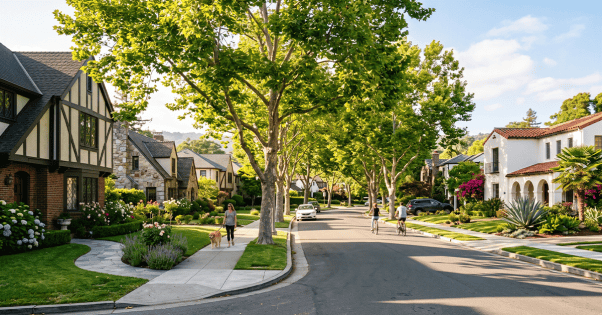
Known as the “City of Trees,” Burlingame is full of shaded streets and green space. Residents enjoy Washington Park, Ray Park, Village Park to name a few, along with the Burlingame Public Library and the city’s recreation programs.
Downtown Burlingame and Broadway
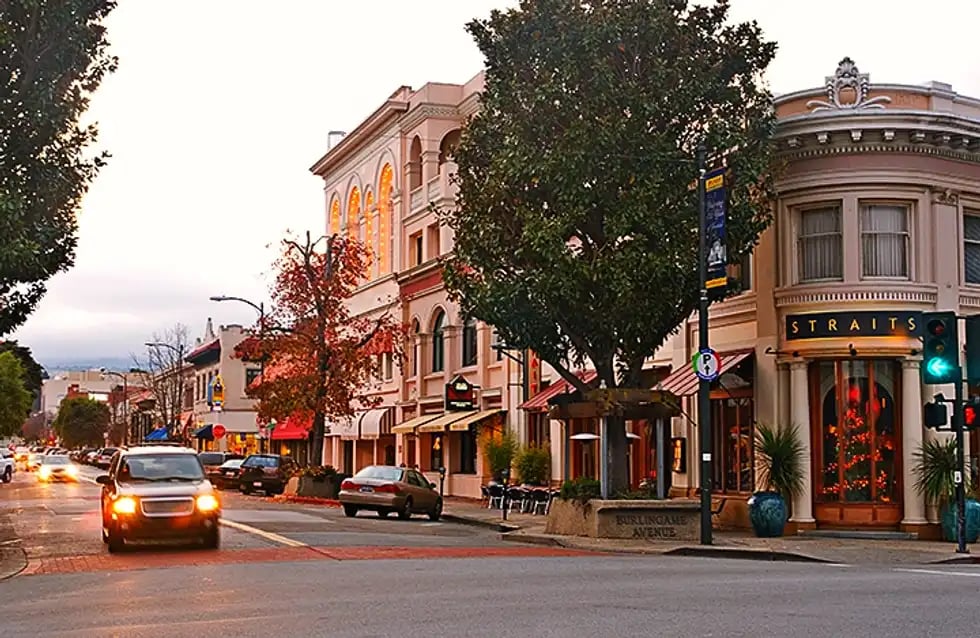
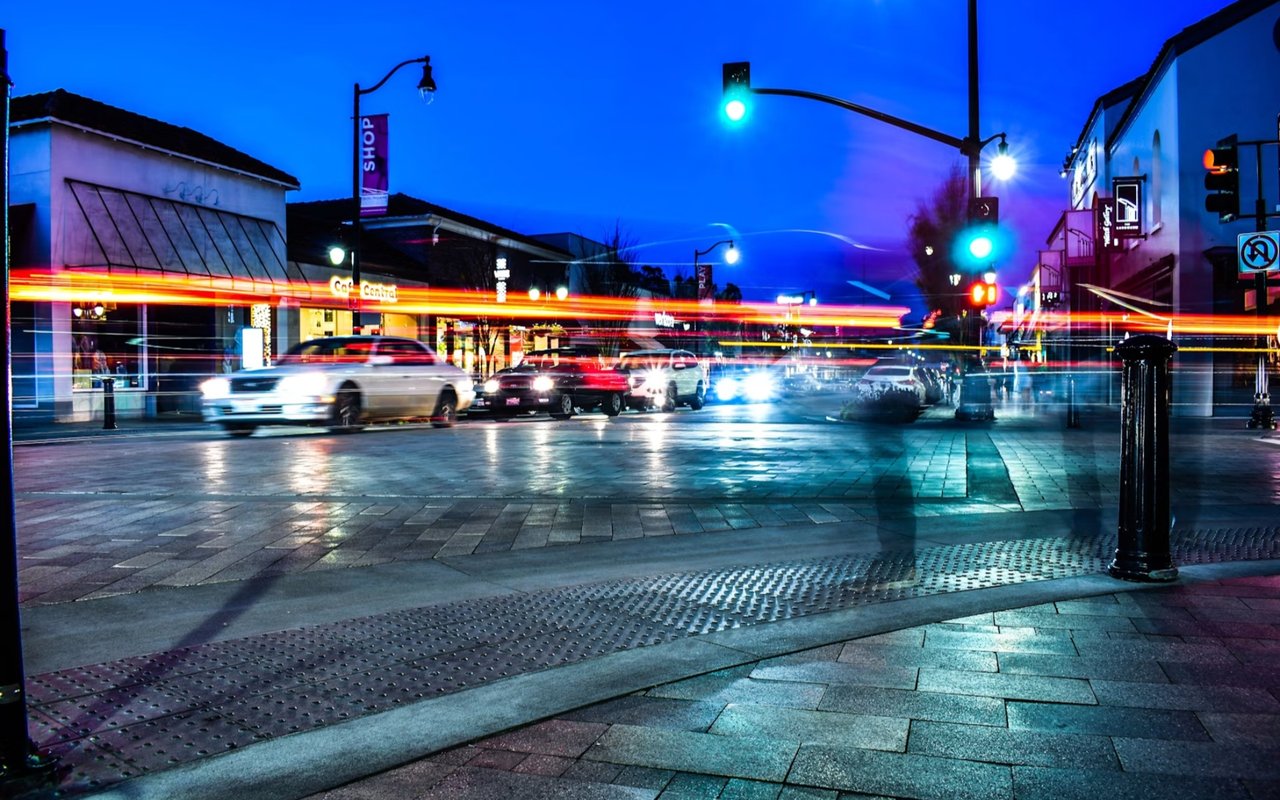
Burlingame has two lively shopping and dining districts. Burlingame Avenue offers boutiques, restaurants, and cafés in a walkable downtown setting, while Broadway has its own neighborhood feel with local favorites.
What Should Families Compare Before Choosing a Neighborhood?
A neighborhood name is a starting point. The specific street, lot, and home are what shape your decision. As you tour, compare these factors side by side:
● School assignment: Confirm the current attendance area, enrollment rules, and any special programs with the district for the exact address. Don’t rely on proximity, since a home near a school isn’t always in its zone.
● Commute: Test the drive or train ride to work, Caltrain, and Highways 101 and 280 at the hours you’ll actually be traveling.
● Layout: Look at bedroom placement, storage, workspace, and shared living areas, and think about how the home will work as your needs change.
● Outdoor space: Compare yard size, privacy, sun exposure, and how easily the indoor space connects to patios and gardens.
● Condition: Have qualified inspectors evaluate the structure, roof, and major systems. This matters even more in Burlingame’s many older homes.
● Cost of ownership: In California, your property taxes are based on your purchase price, not the seller’s current bill. Factor in taxes, insurance, maintenance, and any planned renovations.
● Local rules: Burlingame’s protected tree ordinance and design review process can affect future remodels. Ask about them before you buy if you plan to renovate.
Comparing homes on these points makes it easier to rank them against your needs, your plans, and your budget, and to act quickly when the right one comes along.
What Should Burlingame Buyers Know in 2026?
In a market as competitive as Burlingame, the right agent can decide whether you find the right home at all. Many of the best homes draw multiple offers within days, and some sell off-market without ever being publicly listed. Who you work with shapes which homes you see, how quickly you can act, and how strong your offer is when it counts.
Working with a top agent gives you access to both on- and off-market opportunities:
● Every home on the open market. You see new listings as soon as they hit, with a clear read on each home’s value, condition, and competition, so you’re ready to move when the right one appears.
● Off-market homes. Through our relationships with agents across the Peninsula and our Compass network, we often hear about off-market homes before other buyers do. Those early conversations can give you a chance at a home most buyers never see.
● A stronger offer. Before you write an offer, we review the disclosures and inspection reports line by line, analyze recent sales on that street, and structure your price and terms to compete.
● Agents who know our team. Listing agents know the Sternsmith Group and trust that our buyers are prepared. That reputation can make a real difference when a seller is choosing between offers.
How Does Local Expertise Shape a Better Move?
Burlingame’s market rewards block-by-block knowledge. A home’s value reflects its design, lot, condition, and street, and even nearby homes can sell very differently. We draw on recent local sales and years of experience in these neighborhoods to guide every pricing decision, search, and negotiation.
Whatever your next step, we build the plan around you. We work with first-time buyers, move-up buyers, tech professionals relocating to the Peninsula, international buyers, investors, downsizers, and luxury buyers and sellers. Every client gets candid advice and a strategy built around their goals.
Let’s Build a Plan for Your Next Move
Choosing a home means weighing location, space, and daily life. At Sternsmith Group, we pair local knowledge with personal service to help buyers and sellers move with clarity. Explore Burlingame homes for sale or ask us about opportunities near Burlingame park and across the city. Let’s talk about your goals and build a plan for your next move.
Frequently Asked Questions
How many neighborhoods are in Burlingame?
Burlingame has 12 primary neighborhoods: Burlingame Park, Easton Addition, Burlingame Hills, Mills Estates, Ray Park, Burlingame Grove, Lyon-Hoag, Burlingame Terrace, Burlingame Gardens, Burlingame Village, Burlingables, and the downtown and bayside areas. Each has its own architecture, lot sizes, and access to shopping and transit.
What makes Burlingame a desirable place to live?
Burlingame offers highly regarded public schools, tree-lined streets, more than a dozen parks, two vibrant shopping districts on Burlingame Avenue and Broadway, and quick access to San Francisco, Silicon Valley, and SFO. The right neighborhood depends on what you value most: space, views, walkability, or convenience.
Which Burlingame neighborhoods have the largest homes and lots?
Burlingame Park is known for large, architecturally significant homes on generous lots, many bordering Hillsborough estates. Burlingame Hills and Mills Estates offer spacious homes on the western hillsides, many with views. Because sizes vary from street to street, we review recent nearby sales and property records for every home you consider.
Which Burlingame neighborhoods are most walkable?
Burlingame Park and Burlingame Terrace are close to Burlingame Avenue and the Caltrain station, and the downtown and bayside areas put restaurants, shops, and transit right at your doorstep. Lyon-Hoag is walkable to the Burlingame Community Center and Washington Park, with playgrounds, pickleball, tennis, and classes. That said, “walkable” means something different to everyone. For some buyers it’s a five-minute stroll to coffee, and for others it’s a 15-minute walk to the park. Give us a call, and we’ll help you find the neighborhood that matches the walk you have in mind.
Is Burlingame a good place for first-time buyers?
Yes. Lyon-Hoag and Burlingame Village offer smaller single-family homes that can be a more attainable entry point, and downtown condos and townhomes offer low-maintenance living near Caltrain. We’ll help you plan for the full cost of ownership, including financing, property taxes, insurance, and upkeep.
Which public schools serve Burlingame?
The Burlingame School District has six elementary schools: Franklin, Hoover, Lincoln, McKinley, Roosevelt, and Washington. Students continue to Burlingame Intermediate School and then Burlingame High School, part of the San Mateo Union High School District. Elementary schools are assigned by address, not distance, so we confirm the assigned school for every home our clients consider.
What should I know before buying an older home in Burlingame?
Many Burlingame homes date to the early 1900s, so a thorough inspection of the foundation, roof, electrical, and plumbing is essential. If you plan to renovate, keep in mind that Burlingame’s protected tree ordinance and design review process can affect what you can change and how long it takes.
How long is the commute from Burlingame to San Francisco?
Caltrain from downtown Burlingame reaches San Francisco in about 20 to 40 minutes, depending on your destination in the city. By car, San Francisco and Silicon Valley are each about 30 minutes away via Highway 101 or I-280, depending on traffic. SFO is just minutes away.
How competitive is the Burlingame housing market?
Burlingame is one of the Peninsula’s most competitive markets. Well-prepared, well-priced homes often draw multiple offers within days, and some sell off-market without ever being publicly listed. Working with an agent who knows each neighborhood, and who hears about homes early, can give you an edge.
Does the Sternsmith Group help buyers find off-market homes?
Yes. Through our relationships with agents across the Peninsula and our Compass network, we often hear about off-market homes before other buyers do. When one fits your goals, we’ll share it with you and help you evaluate its value, condition, and terms.